

How to Effectively Lead Your Team Using Emotional Intelligence
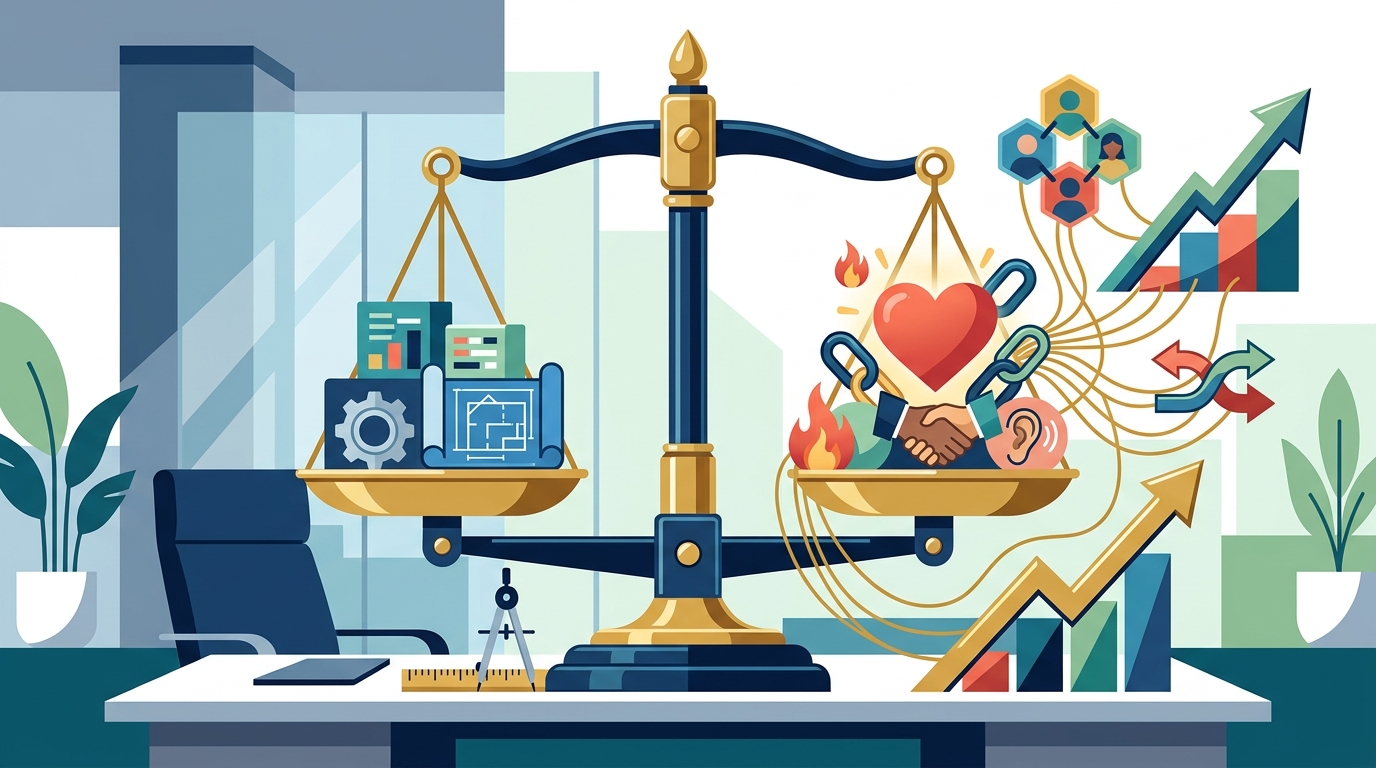
Great leadership is no longer defined by technical expertise alone. Emotional intelligence is the ability to understand and manage your own emotions, as well as recognise and influence the emotions of those around you. Research consistently shows that leaders with high emotional intelligence build stronger relationships, reduce team conflict, and drive measurable organisational performance. In fact, 71 percent of employers value emotional intelligence more than technical skills when evaluating candidates. This guide walks you through practical strategies to lead your team with greater emotional awareness, empathy, and impact.
What Is Emotional Intelligence in Leadership?
Emotional intelligence (EI) is a leader's capacity to monitor, understand, regulate, and use their own emotions as well as those of others to guide thinking and action. Daniel Goleman first popularised the concept in the 1990s, and it has since become a cornerstone of modern leadership theory.
Emotionally intelligent leadership is not about being "nice" or avoiding tough conversations. It is about having the awareness to understand your drivers and triggers, the empathy to grasp others' perspectives, and the social skill to align teams toward shared goals. When leaders operate from this foundation, they create workplaces where people feel safe, engaged, and motivated to perform at their best.
Why Emotional Intelligence Matters for Team Performance
A comprehensive literature review of 104 peer-reviewed studies found that emotionally intelligent leaders improve both behaviours and business results, with a direct impact on work team performance. The evidence is clear: EI is not a soft skill, it is a performance driver.
Leaders who can read and manage emotions foster trust and loyalty within their teams. This trust translates into lower turnover, higher engagement, and stronger collaboration. Organisations that invest in emotional intelligence development see these benefits compound over time as the culture shifts toward openness and accountability.
EI vs. Technical Skills: What the Research Shows
| Factor | Technical Skills Alone | Technical Skills + High EI |
|---|---|---|
| Team trust | Moderate | Significantly higher |
| Conflict resolution | Reactive, process-driven | Proactive, relationship-driven |
| Employee engagement | Average | Above average |
| Retention rates | Industry standard | Measurably improved |
| Decision quality | Data-focused | Data + stakeholder awareness |
The Five Pillars of Emotionally Intelligent Leadership
Goleman's framework identifies five core competencies that form the backbone of emotionally intelligent leadership. Understanding each pillar helps you identify where to focus your development efforts.
1. Self-Awareness
Self-awareness is the ability to accurately recognise your emotions, strengths, limitations, and their effect on others. It is the foundation upon which all other EI competencies are built. Leaders who lack self-awareness often have blind spots that erode trust, a topic explored in depth in Uncapped Potential's self-awareness article.
2. Self-Regulation, Empathy, Motivation, and Social Skill
Self-regulation is the capacity to manage disruptive emotions and impulses so you can respond rather than react. Empathy allows you to understand what your team members are experiencing. Motivation keeps you focused on goals beyond external rewards. Social skill ties everything together, enabling you to influence, coach, and build networks effectively. Together, these competencies enable leaders to navigate the complexity of modern workplaces with composure and clarity.
Practical Steps to Lead with Emotional Intelligence
Knowing the theory is only half the equation. Here is how to put emotionally intelligent leadership into daily practice.
Start with Active Listening
Before responding in any conversation, pause and truly listen. Reflect back what you hear. This simple habit builds psychological safety, which psychosocial safety research identifies as a core performance driver, not just a compliance exercise.
Name Emotions in the Room
When tension rises in a meeting, acknowledge it. Saying "I can sense some frustration here, let's talk about what's driving it" normalises emotional awareness and defuses unproductive conflict. The Center for Creative Leadership highlights that recognising "hot buttons" is essential for leading through conflict effectively.
Seek Structured Feedback
Use validated tools like the Human Synergistics Life Styles Inventory (LSI) to gain objective insight into your thinking and behavioural patterns. Structured feedback removes guesswork and accelerates growth.
Common Pitfalls and How to Avoid Them
Many leaders fall into what could be called the empathy trap, where excessive focus on being liked undermines accountability. Genuine emotional intelligence includes the courage to have difficult conversations and hold people to standards. Explore this nuance further in the empathy trap deep dive.
Another common mistake is treating emotional intelligence as a one-off training event. Research shows that typical leadership training often fails because it lacks ongoing reinforcement, coaching, and real-world application. EI development requires sustained practice, not a weekend workshop.
Measuring Your Emotional Intelligence Growth
Progress in emotional intelligence is measurable when you use the right instruments. Tools such as 360-degree feedback surveys, the Human Synergistics LSI, and team engagement metrics give you concrete data points to track over time.
Look for leading indicators: Are your team members speaking up more in meetings? Is conflict being resolved faster? Are retention numbers improving? These signals tell you whether your emotionally intelligent leadership approach is translating into real outcomes. Organisations serious about this work often partner with specialists in leadership development to build structured, evidence-based programs.
Key Takeaways
- Emotional intelligence is the ability to understand, manage, and constructively use emotions in yourself and others.
- Research across 104+ studies confirms that emotionally intelligent leaders improve team performance and business results.
- The five pillars of EI are self-awareness, self-regulation, motivation, empathy, and social skill.
- Active listening and naming emotions in conversations are two of the most impactful daily practices.
- Avoid the empathy trap: genuine EI includes accountability, not just agreeableness.
- Use validated tools like the Human Synergistics LSI to measure and track growth objectively.
- Sustained coaching and reinforcement outperform one-off training every time.
Frequently Asked Questions
What is emotional intelligence in simple terms?
Emotional intelligence is the ability to recognise, understand, and manage your own emotions while also being able to perceive and influence the emotions of the people around you. It is the foundation of effective interpersonal leadership.
Can emotional intelligence be learned or is it innate?
While some people may have a natural aptitude, emotional intelligence can absolutely be developed through deliberate practice, coaching, and structured programs. It is a skill set, not a fixed trait.
How does emotional intelligence improve team performance?
Leaders with high EI build trust, reduce destructive conflict, and create environments where people feel safe contributing ideas. This leads to stronger collaboration, higher engagement, and better business outcomes.
What tools can measure emotional intelligence in leaders?
Popular instruments include the Human Synergistics Life Styles Inventory (LSI), the Emotional Quotient Inventory (EQ-i 2.0), and 360-degree feedback surveys. Each provides structured data on behavioural patterns and emotional competencies.
How long does it take to develop emotional intelligence?
Meaningful improvement typically requires three to six months of focused practice with ongoing coaching. One-off workshops rarely produce lasting change because behaviour change demands repetition and reinforcement.
Is emotional intelligence more important than IQ for leaders?
According to Harvard Business School, 71 percent of employers value emotional intelligence over technical skills. IQ and technical ability are baseline requirements, but EI is what differentiates truly effective leaders from the rest.
What is the empathy trap in leadership?
The empathy trap occurs when a leader prioritises being liked over holding people accountable. True emotional intelligence balances empathy with the courage to set standards and have candid conversations.
How can my organisation build emotionally intelligent leaders at scale?
Partnering with experts who specialise in emotional intelligence-based leadership programs ensures a structured, evidence-based approach. Explore Uncapped Potential's masterclasses and programs designed for exactly this purpose.
Ready to Lead with Greater Emotional Intelligence?
If you are serious about transforming the way you and your leadership team operate, the next step is a conversation. Get in touch with Uncapped Potential to discuss how emotionally intelligent leadership can drive measurable performance in your organisation.