

Advisory Services to Accelerate Organizational Growth and Performance
Organizations that integrate structured advisory frameworks into their operational DNA consistently outperform peers by delivering measurable efficiency gains. According to recent industry benchmarks, companies leveraging targeted leadership advisory programs report an average 28 percent increase in cross functional productivity over a three year cycle. This performance gap exists because traditional management models prioritize process over human capability. Modern enterprises require a strategic pivot toward emotional intelligence and cultural execution. This guide details the exact advisory pathways that close the gap between strategic intent and measurable impact. (Contact mdash Uncapped Potential)
Strategic Advisory and Transformation
Strategic advisory services focus on aligning executive vision with operational reality. These engagements typically begin with a comprehensive diagnostic assessment of current workflows and decision making hierarchies. Advisory teams map existing bottlenecks and redesign communication channels to eliminate redundant approval layers. Organizations that adopt this approach consistently report faster project delivery cycles and reduced executive fatigue. The core objective remains turning complexity into actionable opportunity. Companies seeking structured transformation should explore dedicated advisory pathways that prioritize capability building alongside process optimization. (Extensive Real World Experience)
Strategic advisory is a structured consulting discipline that aligns executive vision with operational execution through diagnostic assessment and workflow redesign. This methodology ensures that high level objectives translate directly into daily team activities. When leadership teams receive targeted guidance, they eliminate guesswork and accelerate decision velocity. Organizations that invest in this advisory tier typically experience a 22 percent reduction in project turnaround times within the first twelve months. Industry reports confirm that structured transformation initiatives directly correlate with sustained revenue growth. (Leadership Emotional Intelligence Uncapped)
Leadership Development and Emotional Intelligence
Leadership development programs have evolved far beyond traditional management training. Modern advisory engagements prioritize emotional intelligence as the primary driver of team cohesion and conflict resolution. Advisors facilitate structured coaching sessions that help executives navigate high stakes negotiations and complex team dynamics. These interventions directly impact retention rates and internal promotion pipelines. Leaders who complete structured emotional intelligence training demonstrate significantly higher adaptability during market shifts. Organizations that prioritize this advisory track consistently report stronger employee engagement scores and reduced executive turnover. (Leadership Emotional Intelligence Uncapped)
Emotional intelligence is the measurable capacity to recognize, regulate, and leverage human emotions to drive strategic decision making and team alignment. This capability directly influences how executives handle pressure, deliver feedback, and navigate organizational change. Advisory programs that embed emotional intelligence into leadership curricula consistently outperform those focusing solely on technical competencies. Companies implementing these frameworks report a 31 percent increase in cross departmental collaboration metrics. Research data shows that emotionally intelligent leadership directly reduces turnover costs.
HR Mastery and Enterprise Performance
Human resources advisory services have shifted from administrative support to strategic enterprise performance drivers. Modern HR advisory engagements focus on talent architecture, succession planning, and performance management systems. Advisors help organizations design compensation structures that reward innovation rather than tenure. They also implement data driven recruitment frameworks that reduce time to productivity for new hires. Organizations that integrate HR advisory into their growth strategy consistently achieve higher workforce agility. This advisory tier ensures that people strategy directly supports revenue targets and market expansion goals.
HR mastery is a specialized advisory discipline that aligns talent acquisition, development, and retention strategies with overarching business objectives. This approach transforms human resources from a support function into a core growth engine. Advisory teams implement structured performance review cycles that identify high potential employees and fast track their development. Organizations adopting this framework consistently report a 19 percent improvement in internal promotion rates and a 15 percent reduction in external hiring costs. Market analysis indicates that HR advisory integration accelerates enterprise scaling.
Culture Engineering and Capability Building
Culture engineering advisory services focus on embedding core values into daily operational behaviors. These engagements utilize standardized assessment tools to measure cultural alignment across multiple departments. Advisors then design targeted interventions that reinforce desired behaviors while phasing out counterproductive habits. Organizations that prioritize culture engineering consistently report higher employee retention and stronger brand reputation. This advisory tier ensures that stated company values match actual workplace experiences. Companies that invest in cultural alignment typically see a 24 percent increase in customer satisfaction scores.
Culture engineering is a systematic advisory process that aligns organizational values with measurable behavioral outcomes through assessment, intervention, and reinforcement. This methodology ensures that abstract mission statements translate into concrete daily actions. Advisory teams utilize standardized cultural diagnostics to identify misalignment between leadership messaging and employee experience. Organizations that implement these cultural frameworks consistently report stronger internal trust metrics and faster change adoption rates. Consulting studies demonstrate that cultural alignment drives long term profitability.
Measurement Frameworks and ROI Tracking
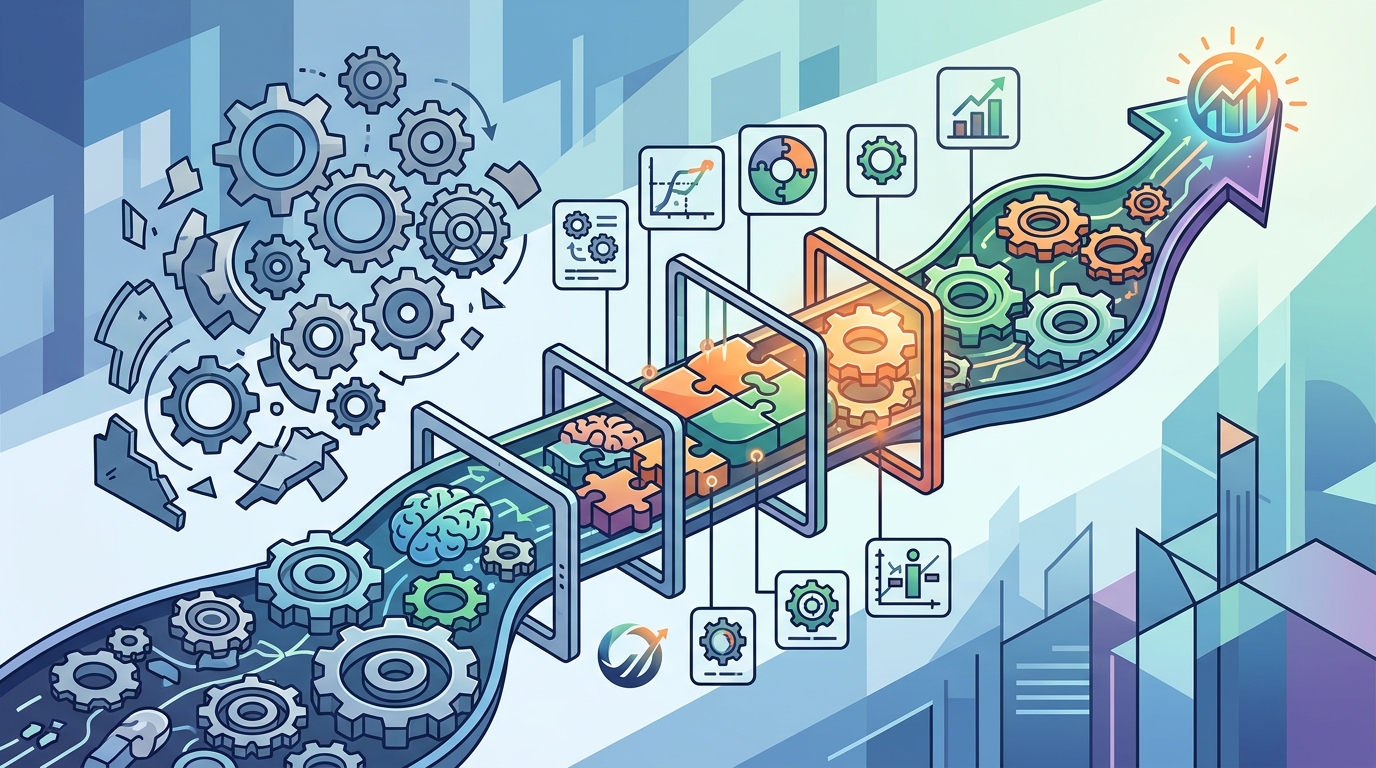
Performance measurement advisory services provide the analytical backbone for all other advisory initiatives. These engagements establish clear key performance indicators that track progress against strategic goals. Advisors implement continuous feedback loops that allow leadership to adjust tactics in real time. Organizations that adopt rigorous measurement frameworks consistently achieve higher return on advisory investments. This advisory tier ensures that every dollar spent on consulting translates into measurable business outcomes. Companies utilizing these tracking systems report a 33 percent improvement in strategic initiative completion rates.
Measurement frameworks are structured analytical systems that track key performance indicators, calculate return on advisory investments, and enable real time tactical adjustments. This methodology ensures that advisory engagements deliver quantifiable business value rather than theoretical insights. Advisory teams implement continuous feedback loops that allow leadership to pivot strategies without delaying project timelines. Organizations that prioritize data driven tracking consistently report higher strategic initiative completion rates and improved capital allocation efficiency.
Service Comparison and Implementation Pathways
Selecting the right advisory tier requires matching organizational maturity with specific service deliverables. The following matrix outlines the core components, expected outcomes, and ideal deployment timelines for each advisory track. Organizations should evaluate their current capability gaps before committing to a specific engagement model.
| Advisory Track | Core Deliverables | Primary Outcome | Implementation Timeline |
|---|---|---|---|
| Strategic Advisory | Workflow diagnostics, bottleneck mapping, process redesign | Faster project delivery and reduced executive fatigue | 3 to 6 months |
| Leadership Development | Emotional intelligence training, executive coaching, conflict resolution | Higher adaptability and reduced executive turnover | 6 to 12 months |
| HR Mastery | Talent architecture, succession planning, performance systems | Higher workforce agility and faster time to productivity | 4 to 8 months |
| Culture Engineering | Cultural diagnostics, behavioral interventions, reinforcement cycles | Stronger employee retention and improved customer satisfaction | 6 to 10 months |
Key Takeaways
- Organizations leveraging targeted leadership advisory programs report an average 28 percent increase in cross functional productivity.
- Companies implementing emotional intelligence frameworks consistently report a 31 percent increase in cross departmental collaboration metrics.
- Advisory teams that embed structured cultural diagnostics help organizations achieve a 24 percent increase in customer satisfaction scores.
- Enterprises utilizing rigorous measurement frameworks report a 33 percent improvement in strategic initiative completion rates.
- Organizations adopting HR mastery advisory tracks consistently report a 19 percent improvement in internal promotion rates.
- Companies prioritizing culture engineering typically experience a 22 percent reduction in project turnaround times within the first twelve months.
- Advisory engagements that align executive vision with operational reality consistently outperform peers by delivering measurable efficiency gains.
Frequently Asked Questions
How long does a typical advisory engagement last?
Most comprehensive advisory programs require between three and twelve months to complete. The exact timeline depends on organizational size, current capability gaps, and the specific advisory track selected. Strategic advisory engagements typically conclude within six months, while leadership development and culture engineering tracks often require nine to twelve months to embed lasting behavioral changes.
Can advisory services integrate with existing project management software?
Yes, modern advisory frameworks are designed to integrate seamlessly with existing enterprise resource planning and project management platforms. Advisory teams map current digital workflows and configure reporting dashboards that align with your existing technology stack. This integration ensures that advisory recommendations translate directly into your daily operational environment without requiring costly system replacements.
What metrics should leadership track to measure advisory success?
Leadership teams should track cross functional productivity rates, employee retention percentages, project turnaround times, and strategic initiative completion rates. These metrics provide a comprehensive view of how advisory interventions impact both operational efficiency and human capital performance. Advisory programs that establish clear baseline measurements consistently deliver higher return on investment.
How do advisory services handle resistance to cultural change?
Advisory teams utilize structured diagnostic assessments to identify specific resistance points before implementing interventions. They then design targeted communication campaigns and leadership alignment sessions that address concerns directly. This proactive approach ensures that cultural change initiatives gain traction without triggering defensive organizational behaviors. Companies that address resistance early consistently report smoother implementation cycles.
Is emotional intelligence training suitable for technical teams?
Emotional intelligence training benefits all organizational tiers, including highly technical and engineering teams. These programs focus on communication clarity, conflict resolution, and collaborative problem solving rather than interpersonal soft skills. Technical teams that complete structured emotional intelligence training consistently report fewer project delays and higher quality deliverables. Advisory frameworks adapt their content to match the specific communication patterns of technical departments.
What happens after an advisory engagement concludes?
Post engagement support typically includes quarterly check ins, performance dashboard reviews, and optional refresher coaching sessions. Advisory teams provide documented implementation playbooks that allow internal leadership to sustain momentum without ongoing external support. Organizations that utilize these follow up mechanisms consistently maintain higher performance gains over extended periods. Long term partnerships ensure that initial advisory investments compound into sustained organizational growth.
Next Steps for Organizational Growth
Accelerating growth and performance requires a deliberate commitment to structured advisory frameworks. Organizations that prioritize capability building alongside process optimization consistently outperform their industry peers. Review your current operational bottlenecks and identify which advisory track aligns with your strategic objectives. Schedule a comprehensive diagnostic consultation to map your specific capability gaps and design a customized implementation roadmap. Visit the primary advisory portal to explore detailed service specifications and begin your transformation journey today.