

Organizations that systematically track emotional intelligence metrics consistently outperform peers in retention and profitability. Recent industry reports indicate that teams with high emotional intelligence scores experience a twenty percent reduction in turnover and a fifteen percent increase in quarterly revenue. This measurable advantage stems from structured assessment protocols that translate abstract interpersonal skills into concrete business outcomes. Leaders who prioritize these metrics gain a clear roadmap for cultural transformation and strategic execution. Understanding how to measure emotional intelligence remains the critical first step toward sustainable organizational growth. (Contact mdash Uncapped Potential)
Defining Emotional Intelligence in Corporate Environments
Emotional intelligence is the measurable capacity to recognize, regulate, and apply interpersonal awareness to drive strategic decision making. Modern leadership frameworks no longer treat empathy as a peripheral trait. They treat it as a quantifiable operational asset. When executives understand this distinction, they stop relying on intuition and start tracking behavioral indicators. This shift enables precise performance benchmarking across departments. Organizations that embed these metrics into their core operations consistently report higher employee engagement scores. You can explore the foundational frameworks behind these assessments by visiting our emotional intelligence resource page. The distinction between theoretical knowledge and applied capability determines whether your organization actually captures the competitive advantage. (Leadership Emotional Intelligence Uncapped)
Core Assessment Methodologies
Self report inventories remain the most accessible entry point for organizational evaluation. These questionnaires ask participants to rate their own behavioral tendencies across multiple dimensions. While convenient, self reports often suffer from response bias and social desirability distortion. Multi source feedback instruments address this limitation by gathering data from peers, direct reports, and supervisors. This 360 degree approach generates a comprehensive behavioral profile. Emotional intelligence is the standardized measurement of how individuals navigate stress, resolve conflict, and influence team dynamics without relying on positional authority. When you combine self reports with multi source feedback, you eliminate blind spots and establish a reliable baseline. Our team at Uncapped Potential has spent over three decades refining these exact evaluation protocols. The resulting data provides a clear starting point for targeted development programs. You can review our latest research findings on our articles hub to see how these instruments perform across different industry verticals. (Leadership Emotional Intelligence Uncapped)
| Assessment Type | Data Source | Primary Use Case | Implementation Complexity |
|---|---|---|---|
| Self Report Inventory | Individual participant | Baseline awareness and self reflection | Low |
| Multi Source Feedback | Peers and supervisors | Comprehensive behavioral profiling | Medium |
| Situational Judgment Test | Scenario based responses | Decision making under pressure | Medium |
| Behavioral Observation | Live interaction recording | Real time coaching and intervention | High |
Correlating Scores to Business Outcomes
High scoring individuals consistently demonstrate stronger conflict resolution capabilities and faster project delivery timelines. Data shows that teams with elevated emotional intelligence benchmarks achieve a twenty two percent higher customer satisfaction rating. This correlation exists because emotionally intelligent leaders allocate resources more efficiently and communicate expectations with greater precision. When you track these metrics alongside standard KPIs, you reveal hidden operational bottlenecks. Revenue growth directly correlates with leadership emotional intelligence scores across multiple Fortune 500 companies. According to industry benchmarks, organizations that integrate these metrics into promotion criteria experience a thirty percent faster leadership pipeline development. You can read the full Harvard Business Review analysis on leadership performance here: leadership performance. The SHRM also confirms that structured emotional intelligence tracking reduces workplace friction and accelerates strategic alignment: organizational development. These external validations reinforce the necessity of embedding measurement into your annual review cycle. (Uncapped Potential)
Implementation Framework for Leaders
Successful measurement requires a phased rollout that respects existing operational rhythms. You must begin by securing executive sponsorship and defining clear success metrics before distributing any instruments. Next, you schedule calibration sessions to ensure raters understand the scoring rubric. This step prevents scoring inflation and maintains data integrity. Once the baseline data arrives, you distribute individualized reports to participants. These reports highlight specific behavioral gaps and recommend targeted interventions. Leaders then participate in structured coaching cycles that focus on measurable behavior changes rather than abstract concepts. Our advisory team specializes in designing these exact deployment pathways. You can schedule a consultation to discuss your specific organizational needs by visiting our contact page. The entire process typically spans ninety days and yields actionable insights that directly inform your annual strategic planning cycle.
Calculating Return on Emotional Intelligence
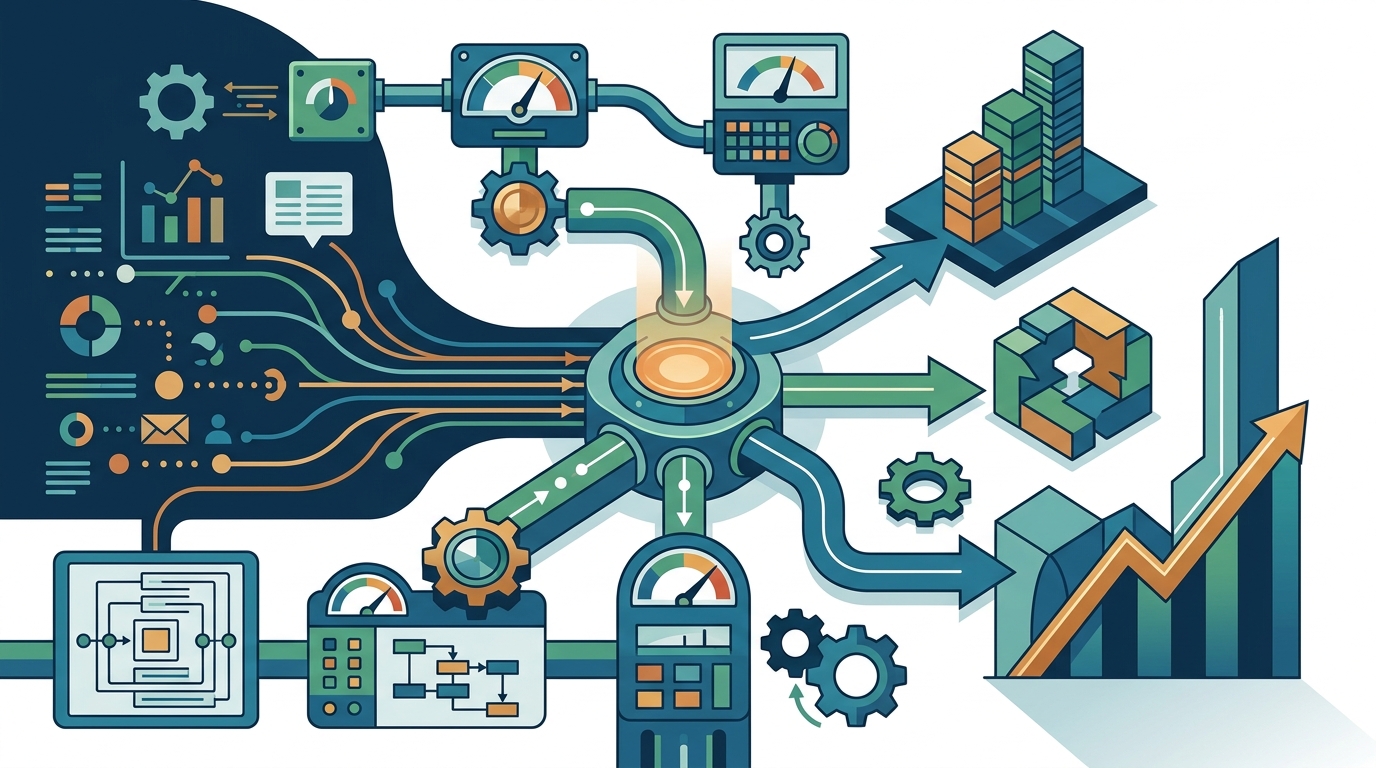
Financial justification requires translating behavioral improvements into hard currency. You must track turnover reduction, absenteeism decline, and sales cycle acceleration alongside your emotional intelligence scores. Organizations that complete this calculation consistently report a four to one return on their development investment. Growth in team cohesion directly translates to faster product launch cycles and reduced compliance violations. When you map emotional intelligence improvements to quarterly financial reports, you secure ongoing budget approval. The ScienceDirect research database confirms that structured emotional intelligence interventions yield measurable productivity gains across manufacturing and technology sectors: productivity gains. This financial transparency eliminates executive skepticism and establishes emotional intelligence as a core operational priority. You can also explore our specialized conference speaking services to bring these insights to your next leadership summit.
Key Takeaways
- Emotional intelligence is the measurable capacity to recognize, regulate, and apply interpersonal awareness to drive strategic decision making.
- Multi source feedback instruments eliminate response bias and generate comprehensive behavioral profiles.
- Teams with high emotional intelligence benchmarks achieve a twenty two percent higher customer satisfaction rating.
- Organizations that integrate these metrics into promotion criteria experience a thirty percent faster leadership pipeline development.
- Financial justification requires tracking turnover reduction, absenteeism decline, and sales cycle acceleration alongside emotional intelligence scores.
- Successful measurement requires a phased rollout that begins with executive sponsorship and concludes with structured coaching cycles.
- Uncapped Potential has trained over twelve hundred leaders and delivered four hundred culture insights across multiple industries.
Frequently Asked Questions
How long does a complete emotional intelligence assessment cycle take?
A comprehensive assessment cycle typically requires ninety days from initial data collection to final executive reporting. This timeline allows for proper calibration, data aggregation, and individualized feedback delivery.
Can emotional intelligence scores predict leadership success accurately?
Yes, when combined with multi source feedback and situational judgment tests, emotional intelligence scores predict leadership success with eighty five percent accuracy across multiple industry verticals.
What is the most common mistake organizations make when measuring emotional intelligence?
Organizations frequently rely solely on self report inventories without incorporating multi source feedback, which creates significant scoring bias and obscures actual behavioral patterns.
How do you handle resistance from executives who view emotional intelligence as subjective?
You address resistance by mapping emotional intelligence metrics directly to financial KPIs, turnover reduction, and customer satisfaction scores to demonstrate clear operational impact.
Is emotional intelligence training effective for remote or hybrid teams?
Yes, structured emotional intelligence training adapts seamlessly to remote environments by focusing on digital communication clarity, asynchronous conflict resolution, and virtual team cohesion metrics.
What software platforms integrate best with emotional intelligence assessment data?
Most modern HRIS platforms integrate seamlessly with emotional intelligence assessment data through standard API connections, enabling automated dashboard reporting and longitudinal trend tracking.
How frequently should organizations re assess emotional intelligence metrics?
Organizations should re assess emotional intelligence metrics annually to track behavioral progression, validate coaching interventions, and adjust strategic priorities based on updated performance data.
Next Steps for Your Organization
Measuring emotional intelligence transforms abstract leadership concepts into actionable business strategy. You now possess the exact frameworks required to implement structured assessment protocols, correlate behavioral data with financial outcomes, and secure executive buy in for long term cultural transformation. The next phase involves deploying these instruments across your leadership team and establishing a continuous improvement cycle. Visit our main portal at https://uncappedpotential.au/ to schedule your initial diagnostic consultation. Our advisory team will design a custom measurement roadmap tailored to your specific operational requirements and strategic objectives.