

Emotional intelligence is not a soft skill. It is the single most under leveraged competitive advantage available to any organisation. Despite this reality, many leaders struggle to quantify its value. The gap between intent and impact often widens when emotional capabilities remain unmeasured. Without precise data, organisations cannot optimize their human potential. This guide explores how to measure emotional intelligence effectively to drive performance. (Extensive Real World Experience)
Why Measure Emotional Intelligence?
Most organisations operate well within their limits. We help organisations find out what happens when you don't. Measuring emotional intelligence provides the baseline data necessary to identify cultural bottlenecks. It transforms abstract concepts like "trust" and "authenticity" into actionable metrics. Leaders can then track progress over time. (Leadership Emotional Intelligence Uncapped)
According to recent industry analyses, companies with high emotional intelligence cultures report significantly higher employee engagement levels. This correlation is critical for long-term sustainability. When leaders understand their emotional blind spots, they can make better decisions. The result is a more resilient and adaptive workforce. (Leadership Emotional Intelligence Uncapped)
Uncapped Potential has been harnessing the power of emotional intelligence for more than 30 years. Our experience shows that measurement is the first step toward transformation. Without it, improvement efforts are often guesswork. With it, you gain clarity on where to focus your energy. (Uncapped Potential)
Core Measurement Methodologies
Emotional intelligence is the ability to recognize, understand, and manage our own emotions and those of others. Measuring this construct requires robust psychometric tools. There are two primary approaches: self-report inventories and 360-degree feedback.
Self-Report Inventories
Self-report tools ask individuals to rate their own behaviors. They are cost-effective and easy to administer. However, they suffer from bias. Leaders may overestimate their capabilities. This is where objective data becomes vital.
360-Degree Feedback
360-degree feedback collects data from peers, direct reports, and supervisors. It provides a holistic view of how a leader is perceived. This method reduces individual bias. It highlights the gap between self-perception and reality.Data shows that 360-degree assessments are more predictive of leadership success. They reveal how emotional behaviors impact team dynamics. This insight is crucial for targeted development.
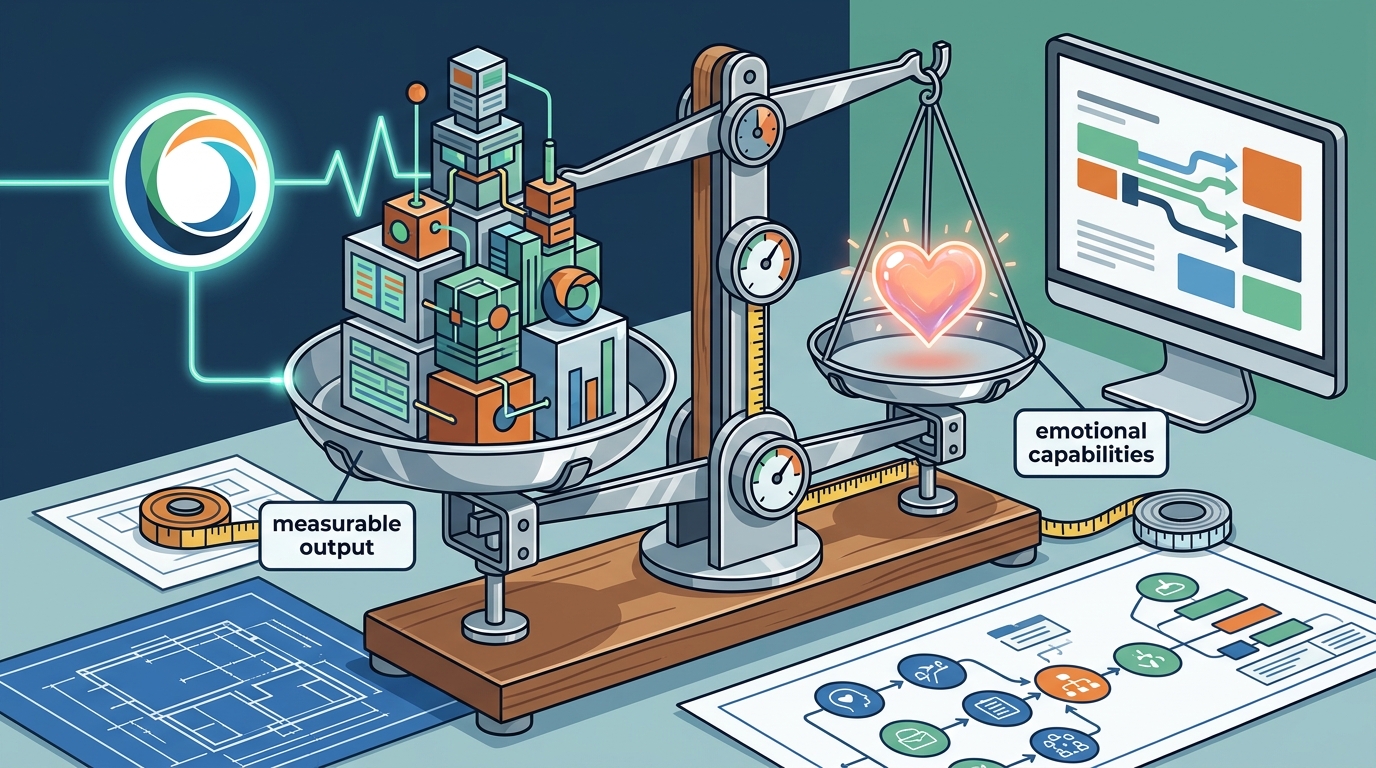
The Human Synergistics LSI® Framework
Human Synergistics LSI® is a diagnostic tool that links leadership style to organizational culture. It measures the collective emotional climate of a group. This framework is particularly powerful for assessing cultural health.
The LSI® model identifies specific leadership styles. These styles range from passive-aggressive to active-aggressive. Each style has distinct impacts on organizational performance. For example, a passive-aggressive culture often leads to low morale and high turnover.
We have provided over 400 Human Synergistics Leader and Organisation Culture Insights to clients. These insights reveal hidden cultural dynamics. They help leaders understand how their behavior influences the broader organization. This understanding is the foundation for meaningful change.
According to organizational psychology research, aligning leadership styles with cultural needs improves execution. The LSI® framework provides the roadmap for this alignment. It moves the conversation from personality to performance.
Comparing Assessment Tools
Choosing the right measurement tool depends on your specific goals. Some tools focus on individual competencies. Others assess collective culture. Below is a comparison of common approaches.
| Tool Type | Focus Area | Best For | Limitations |
|---|---|---|---|
| Self-Report EI | Individual Awareness | Personal Development | Subjective Bias |
| 360-Degree Feedback | Behavioral Impact | Leadership Coaching | Time Intensive |
| Human Synergistics LSI® | Organizational Culture | Cultural Transformation | Requires Expert Interpretation |
| Coach. Purposeful Conversations | Dialogue Quality | Team Alignment | Dependent on Facilitator Skill |
Each tool offers unique insights. Combining them provides a comprehensive picture. For instance, pairing LSI® with 360-degree feedback reveals both cultural and individual drivers of performance. This dual approach is often the most effective.
Over 1200 leaders and HR practitioners have been trained in Emotional Intelligence through our programs. They consistently report that multi-dimensional measurement yields the highest ROI. It ensures that development efforts are targeted and relevant.
Key Takeaways
- Emotional intelligence is a measurable competitive advantage, not just a soft skill.
- Uncapped Potential has over 30 years of experience in sculpting high-performing cultures.
- Human Synergistics LSI® is a key framework for linking leadership to culture.
- +1200 leaders have been trained in Emotional Intelligence through our specialized programs.
- 360-degree feedback reduces bias and provides a realistic view of leadership impact.
- Coach. purposeful conversations© is a method for enhancing dialogue quality.
- 100% of our clients choose to maintain ongoing partnerships for continuous improvement.
Frequently Asked Questions
How does emotional intelligence impact organizational performance?
Emotional intelligence drives performance by improving communication, trust, and decision-making. Leaders with high EI create environments where employees feel valued and understood. This leads to higher engagement and productivity.
What is the Human Synergistics LSI®?
Human Synergistics LSI® is a diagnostic tool that measures the relationship between leadership style and organizational culture. It helps identify cultural strengths and weaknesses.
Why is 360-degree feedback important for measuring EI?
360-degree feedback provides objective data from multiple sources. It reveals how a leader's emotional behaviors are perceived by others. This reduces self-bias and highlights areas for growth.
Can emotional intelligence be developed?
Yes, emotional intelligence can be developed through targeted training and practice. Our programs focus on practical application and continuous improvement.
How long does it take to see results from EI measurement?
Results vary depending on the organization. However, most clients see measurable improvements in culture and performance within 6 to 12 months of implementing structured EI initiatives.
What is Coach. purposeful conversations©?
Coach. purposeful conversations© is a proprietary framework designed to enhance the quality of leadership dialogues. It helps leaders navigate complex conversations with clarity and empathy.
Who benefits most from emotional intelligence training?
All leaders benefit, but those in high-stakes environments gain the most. Ambitious leaders who want to close the gap between intent and impact find it particularly valuable.
Next Steps
Ready to unlock your organization's potential? Contact us to schedule a consultation. We will help you choose the right measurement tools and development strategies. Visit our Contact page to get started. Let us help you harness the power of emotional intelligence for sustainable growth.