
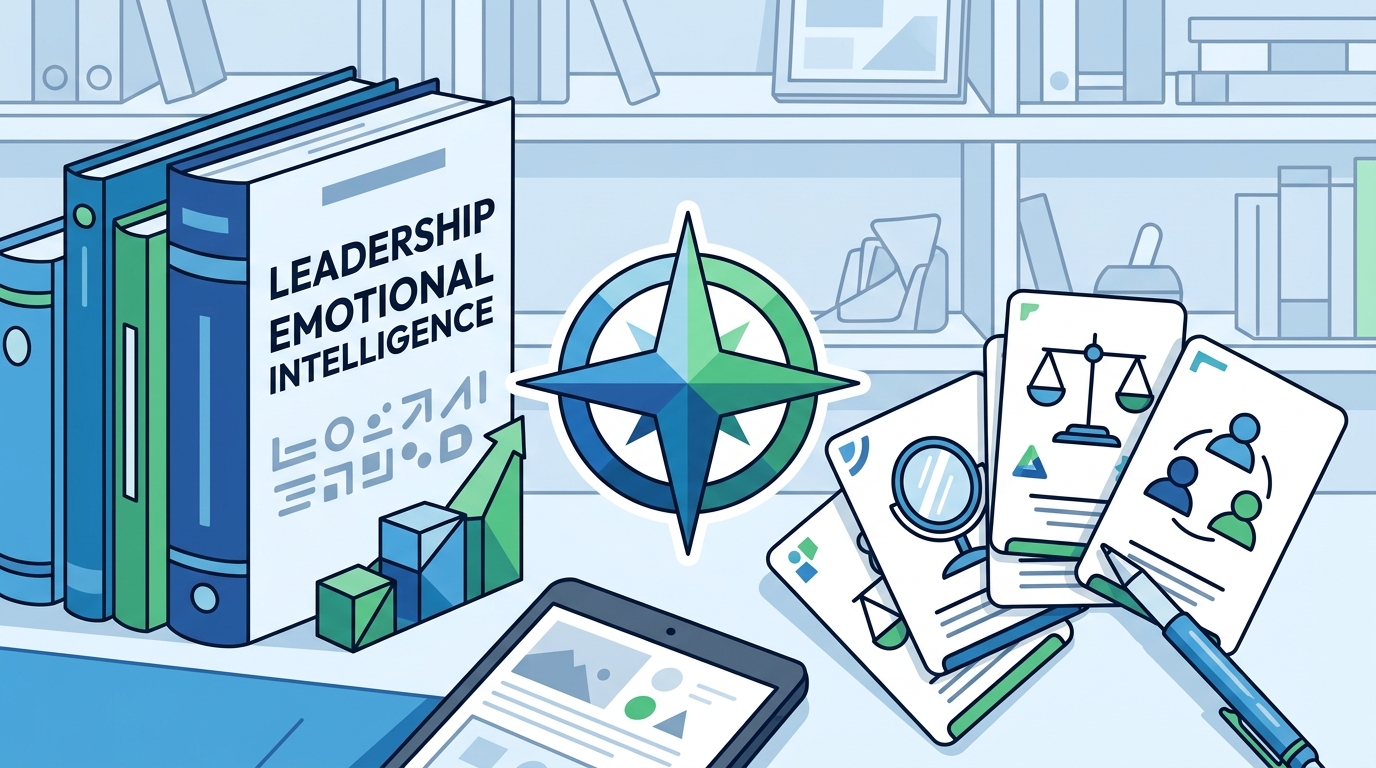
Emotional intelligence is not a soft skill. It is the single most under leveraged competitive advantage available to any organisation and the one thing AI cannot replace. In an era where artificial intelligence handles data processing with increasing speed, the human capacity for empathy, self-regulation, and social awareness has become the primary differentiator for high-performing leadership teams. Research indicates that leaders with high emotional intelligence drive significantly higher employee engagement and retention rates compared to those relying solely on technical expertise. This guide outlines the most effective resources for cultivating these critical capabilities, drawing from decades of corporate experience and proven psychological frameworks.
Human Synergistics LSI® Framework
One of the most robust resources for leaders seeking to understand their cultural impact is the Human Synergistics Leader and Organisation Culture Insights (LSI®) model. This framework provides a scientific basis for understanding how leadership styles influence organisational culture. The LSI® model categorizes leadership behaviors into constructive and passive/defensive styles, offering a clear roadmap for personal development.
Leaders who utilize the LSI® insights can identify specific behavioral patterns that may be hindering team performance. For instance, a leader might discover that their tendency toward "avoidance" is creating a culture of uncertainty. By leveraging these insights, leaders can shift toward constructive behaviors such as "achievement" or "humanistic-encouraging" styles. This approach moves beyond theoretical concepts and provides measurable data on leadership effectiveness.
Uncapped Potential has trained over 1,200 leaders and HR practitioners in emotional intelligence using these specific methodologies. The integration of LSI® into leadership development programs ensures that feedback is not subjective but grounded in established psychological research. This resource is particularly valuable for executives who need to align their personal leadership style with the strategic goals of their organization.
Purposeful Conversation Coaching
While assessments provide data, coaching provides the mechanism for change. The Coach. purposeful conversations© methodology is a specialized resource designed to help leaders navigate complex interpersonal dynamics. This framework emphasizes the importance of intentionality in every interaction, ensuring that conversations lead to tangible outcomes rather than remaining abstract discussions.
Effective emotional intelligence development requires more than just awareness. It demands the ability to regulate emotions in real-time during high-stakes situations. Purposeful conversation coaching equips leaders with the tools to pause, reflect, and respond with clarity. This resource is essential for leaders who struggle with conflict resolution or need to improve their ability to deliver difficult feedback.
Over 500 leaders have utilized the Coach. purposeful conversations© framework to enhance their communication skills. The methodology focuses on building trust and accountability, which are foundational elements of high-performing teams. By practicing these conversations, leaders can transform potential conflicts into opportunities for growth and deeper connection.
Diagnostic Assessment Tools
Self-awareness is the cornerstone of emotional intelligence. Without accurate self-perception, leaders cannot effectively manage their emotions or understand the impact of their behavior on others. Various diagnostic tools are available to help leaders gain this critical insight. These tools range from 360-degree feedback surveys to specialized emotional intelligence inventories.
When selecting an assessment tool, it is crucial to choose one that is validated and provides actionable feedback. Tools that offer comparative data against industry benchmarks can be particularly powerful. They allow leaders to see where they stand relative to their peers and identify specific areas for improvement. The key is to select a tool that aligns with the organization's cultural values and strategic objectives.
Leaders utilising insights from Human Synergistics emotional intelligence tools have reported significant improvements in their ability to navigate organizational complexity. These assessments provide a baseline for development and allow for the tracking of progress over time. Regular reassessment ensures that leaders continue to evolve and adapt to changing business environments.
Strategic Advisory Services
For organizations seeking a more comprehensive approach, strategic advisory services offer a tailored path to emotional intelligence development. These services integrate leadership coaching, cultural diagnostics, and organizational transformation to create a holistic development plan. Advisory services are particularly effective for senior leadership teams who need to align their collective emotional intelligence with the company's vision.
Uncapped Potential provides advisory services across strategy, execution, and transformation. This approach makes capability and culture the engine of performance. By working with experienced advisors, leaders can address deep-seated cultural issues that may be impeding progress. These services are designed to close the gap between intent and impact, ensuring that leadership efforts translate into measurable business results.
The integration of emotional intelligence into strategic planning ensures that human factors are considered in every decision. This resource is ideal for organizations undergoing significant change, such as mergers, acquisitions, or digital transformations. By prioritizing emotional intelligence, leaders can mitigate resistance and foster a culture of resilience and adaptability.
Thought Leadership & Insights
Continuous learning is essential for leadership development. Engaging with thought leadership resources provides leaders with fresh perspectives and innovative ideas. Articles, case studies, and keynote speeches from industry experts can challenge conventional thinking and inspire new approaches to emotional intelligence.
Uncapped Potential publishes regular insights on topics such as psychosocial safety, the empathy trap, and the role of emotional intelligence in boardroom dynamics. These resources offer practical advice and real-world examples that leaders can apply to their own contexts. For example, the article "The Empathy Trap" explores how excessive empathy without boundaries can lead to poor decision-making, a critical insight for leaders.
Reading widely and critically allows leaders to stay ahead of emerging trends in leadership and organizational behavior. By engaging with diverse viewpoints, leaders can develop a more nuanced understanding of emotional intelligence. This resource is particularly valuable for leaders who want to deepen their knowledge and stay connected to the broader leadership community.
Comparing Resource Types
| Resource Type | Primary Benefit | Best For | Implementation Effort |
|---|---|---|---|
| Human Synergistics LSI® | Scientific cultural diagnostics | Leaders seeking data-driven insights | Medium |
| Coach. Conversations | Practical communication skills | Leaders needing conflict resolution tools | High |
| Strategic Advisory | Holistic organizational change | Senior teams driving transformation | Very High |
| Thought Leadership | Continuous learning and inspiration | Self-directed learners | Low |
Key Takeaways
- Emotional intelligence is a critical competitive advantage that AI cannot replicate.
- Human Synergistics LSI® provides a scientifically validated framework for understanding leadership impact.
- Coach. purposeful conversations© offers practical tools for navigating complex interpersonal dynamics.
- Over 1,200 leaders have been trained in emotional intelligence using these specific methodologies.
- Strategic advisory services integrate leadership coaching with organizational transformation.
- Self-awareness is the foundation of emotional intelligence and requires accurate diagnostic tools.
- Continuous engagement with thought leadership ensures leaders stay ahead of industry trends.
Frequently Asked Questions
What is the most effective tool for measuring emotional intelligence?
The most effective tool depends on the specific goals of the leader. Human Synergistics LSI® is highly regarded for its scientific validity and ability to link leadership style to organizational culture. It provides a comprehensive view of how a leader's behavior impacts the team.
How long does it take to develop emotional intelligence skills?
Developing emotional intelligence is a continuous process rather than a one-time event. However, leaders can see significant improvements in their relationships and decision-making within six to twelve months of consistent practice and coaching. The key is sustained effort and regular feedback.
Can emotional intelligence be taught to leaders?
Yes, emotional intelligence can be taught and developed. Through targeted coaching, assessment, and practice, leaders can enhance their self-awareness, self-regulation, and social skills. The Coach. purposeful conversations© methodology is specifically designed to facilitate this learning process.
Why is emotional intelligence important for boardroom dynamics?
Emotional intelligence is crucial for boardroom dynamics because it enables leaders to navigate complex political landscapes and make balanced decisions. Leaders with high emotional intelligence can manage their own emotions and understand the perspectives of others, leading to more effective governance and strategy.
What is the difference between empathy and emotional intelligence?
Empathy is a component of emotional intelligence, but it is not the whole picture. Emotional intelligence includes self-awareness, self-regulation, motivation, empathy, and social skills. While empathy allows leaders to understand others' feelings, emotional intelligence enables them to manage their own responses and act effectively.
How does Uncapped Potential support emotional intelligence development?
Uncapped Potential supports emotional intelligence development through a combination of Human Synergistics LSI® assessments, Coach. purposeful conversations© training, and strategic advisory services. This holistic approach ensures that leaders receive both the insights and the tools needed for lasting change.
What are the risks of ignoring emotional intelligence in leadership?
Ignoring emotional intelligence can lead to poor employee engagement, high turnover, and ineffective decision-making. Leaders who lack these skills may create a culture of fear or apathy, which stifles innovation and performance. Ultimately, it can result in significant financial and reputational damage for the organization.
Next Steps
Ready to unlock the full potential of your leadership team? Contact Uncapped Potential today to schedule a consultation and discover how our emotional intelligence resources can transform your organization. Visit our contact page to get started.