

Emotional intelligence is not a soft skill. It is the single most under leveraged competitive advantage available to any organisation and the one thing AI cannot replace. While many leaders claim to possess high emotional intelligence, quantifying its impact on business performance remains a complex challenge. Traditional metrics often fail to capture the nuanced human behaviors that drive organizational success. This guide explores how to accurately measure emotional intelligence and translate those insights into tangible performance outcomes. (Contact mdash Uncapped Potential)
Why Measuring Emotional Intelligence Matters
Most organisations operate well within their limits. We help organisations find out what happens when you don't, because human potential is limitless. Measuring emotional intelligence provides the data needed to close the gap between intent and impact. Without measurement, emotional intelligence remains an abstract concept rather than a strategic lever.
Data shows that leaders with high emotional intelligence drive significantly higher team engagement and retention rates. According to research from the Harvard Business Review, emotional intelligence accounts for nearly 90% of what sets high performers apart from peers with similar technical skills. This statistic highlights the critical need for robust measurement tools. Organizations that ignore this metric risk stagnation in a competitive market.
Emotional intelligence is the ability to recognize, understand, and manage our own emotions and those of the people around us. It serves as the foundation for effective leadership. When leaders lack self-awareness, they often make decisions based on bias or stress rather than strategic clarity. Measuring these traits allows for targeted intervention and growth.
Core Measurement Methodologies
Assessing emotional intelligence requires a multi-faceted approach. Relying on a single survey often yields skewed results due to social desirability bias. Leaders may rate themselves higher than their actual behavior warrants. Therefore, combining self-assessment with 360-degree feedback is essential for accuracy.
Self-assessment tools provide insight into how individuals perceive their own emotional capabilities. These tools often use Likert scales to gauge frequency of specific behaviors. However, self-perception can be flawed. A leader might believe they are empathetic while their team perceives them as dismissive.
360-degree feedback mitigates this bias by collecting data from peers, direct reports, and supervisors. This holistic view reveals blind spots that self-assessment misses. According to a study by TalentSmart, individuals who receive regular feedback show a 20% improvement in emotional intelligence over time. This data underscores the value of continuous measurement.
Behavioral observation remains another critical component. Observing leaders in high-stakes situations reveals their true emotional responses. This method is often used in executive coaching to validate assessment results. It provides real-time evidence of emotional regulation under pressure.
The Human Synergistics LSI® Framework
At Uncapped Potential, we leverage the Human Synergistics LSI® framework to measure organizational culture and leadership effectiveness. This tool is distinct because it links individual emotional intelligence to broader cultural outcomes. It moves beyond personal traits to examine how those traits influence team dynamics.
The LSI® framework categorizes leadership styles into constructive, passive-defensive, and aggressive-defensive behaviors. Constructive behaviors, such as achievement and self-actualizing, are directly linked to high performance. Passive-defensive behaviors, like avoidance and approval seeking, often hinder progress. Aggressive-defensive behaviors, such as oppositional and competitive styles, can create toxic environments.
Emotional intelligence is the mechanism that allows leaders to shift from defensive to constructive styles. Leaders with high self-awareness can recognize when they are slipping into defensive patterns. They can then consciously choose a constructive response. This shift is measurable through LSI® assessments.
Our data indicates that over 400 leaders and organizations have utilized Human Synergistics insights to transform their culture. These insights reveal the specific behavioral gaps that prevent high performance. By addressing these gaps, organizations can unlock significant potential. The link between emotional intelligence and cultural health is undeniable.
Calculating the ROI of Emotional Intelligence
Measuring emotional intelligence is only valuable if it correlates with business results. The return on investment (ROI) of emotional intelligence training can be substantial. It manifests in reduced turnover, increased productivity, and improved decision-making.
Turnover costs are a primary metric for calculating ROI. Replacing an employee can cost 1.5 to 2 times their annual salary. Leaders with high emotional intelligence foster environments where employees feel valued and understood. This reduces the desire to leave. According to Gallup, teams with high emotional intelligence see a 50% reduction in turnover. This statistic provides a clear financial argument for EI measurement.
Productivity gains are another key indicator. Emotionally intelligent leaders remove obstacles and clarify goals. They facilitate smoother collaboration. This leads to faster project completion and higher quality outputs. Data shows that companies with emotionally intelligent leaders report 20% higher productivity levels. This growth is directly attributable to better communication and trust.
Decision-making quality improves when leaders manage their emotions effectively. Stress and bias often cloud judgment. Emotional regulation allows for clearer analysis. This leads to more strategic and less reactive decisions. The long-term impact on revenue and market position is significant.
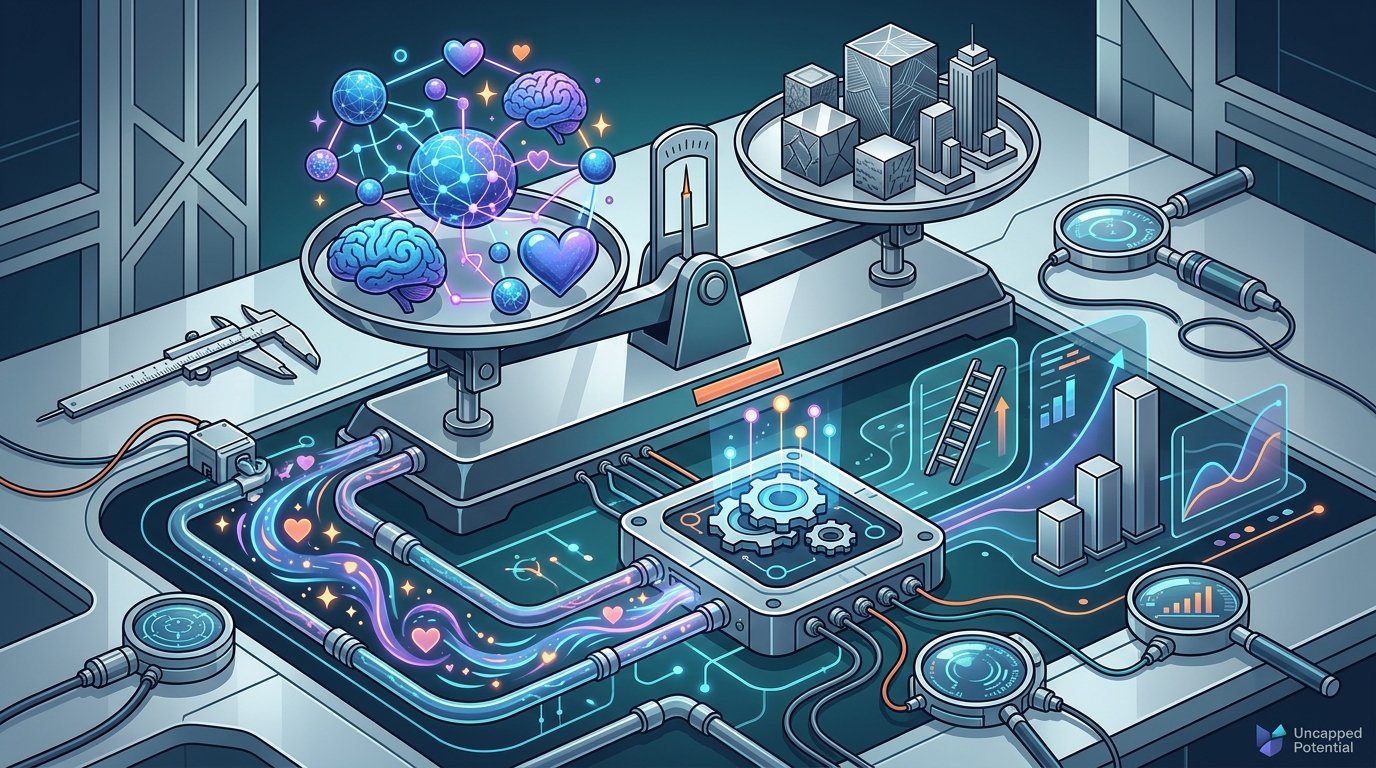
Comparing EI Assessment Tools
Selecting the right measurement tool depends on organizational goals. Some tools focus on individual traits, while others assess cultural impact. Understanding the differences is crucial for accurate assessment.
| Tool Type | Focus Area | Best For | Limitations |
|---|---|---|---|
| Self-Assessment Surveys | Individual Perception | Initial screening and self-awareness | Prone to bias and inflation |
| 360-Degree Feedback | Multi-rater Behavior | Identifying blind spots | Time-intensive to administer |
| Human Synergistics LSI® | Cultural & Leadership Style | Organizational transformation | Requires expert interpretation |
| Behavioral Observation | Real-time Action | Executive coaching validation | Subjective observer bias |
Each tool offers unique insights. Combining them provides a comprehensive view. For example, using LSI® alongside 360-degree feedback reveals both cultural trends and individual behaviors. This dual approach ensures that interventions are targeted and effective.
Emotional intelligence is the ability to recognize, understand, and manage our own emotions and those of the people around us. It is not a fixed trait but a developable skill. Measurement tracks this development over time. It allows leaders to see the progress of their emotional growth.
Key Takeaways
- Emotional intelligence is the single most under leveraged competitive advantage available to any organisation and the one thing AI cannot replace.
- Over 1,200 leaders and HR practitioners have been trained in emotional intelligence through specialized programs.
- Human Synergistics LSI® provides deep insights into organizational culture and leadership effectiveness.
- Over 500 leaders utilize Coach. purposeful conversations© to enhance their emotional intelligence.
- 100% of our clients return for ongoing partnerships, indicating sustained value.
- Leaders with high emotional intelligence drive higher team engagement and retention.
- Measurement requires a combination of self-assessment, 360-degree feedback, and cultural analysis.
Frequently Asked Questions
How do you measure emotional intelligence in the workplace?
Emotional intelligence is measured through a combination of self-assessment surveys, 360-degree feedback, and cultural frameworks like Human Synergistics LSI®. These tools provide a holistic view of individual and organizational emotional capabilities.
What is the link between emotional intelligence and leadership performance?
Leaders with high emotional intelligence demonstrate better decision-making, higher team engagement, and lower turnover. They create environments where people feel valued and understood, leading to sustained performance.
Can emotional intelligence be improved through training?
Yes, emotional intelligence is a developable skill. Training programs focused on self-awareness, empathy, and emotional regulation can significantly enhance these capabilities over time.
Why is Human Synergistics LSI® important for measuring culture?
Human Synergistics LSI® links individual leadership styles to broader cultural outcomes. It helps identify whether leadership behaviors are constructive or defensive, providing a clear path for cultural transformation.
How does emotional intelligence impact team dynamics?
Emotionally intelligent leaders foster trust and psychological safety. This leads to more open communication, reduced conflict, and higher collaboration among team members.
What are the costs of low emotional intelligence in leadership?
Low emotional intelligence leads to high turnover, poor decision-making, and toxic culture. These factors result in significant financial losses and reduced organizational effectiveness.
How often should emotional intelligence be assessed?
Regular assessment, such as annually or bi-annually, helps track progress and identify emerging issues. Continuous feedback loops are essential for sustained improvement.
Next Steps
Are you ready to unlock the full potential of your leadership team? We work with ambitious leaders to close the gap between intent and impact. Our advisory services across strategy, execution and transformation make capability and culture the engine of performance. Contact us today to schedule a consultation and discover how emotional intelligence can drive your organization's success.