
Emotional Intelligence and Organizational Performance: The Uncapped Advantage
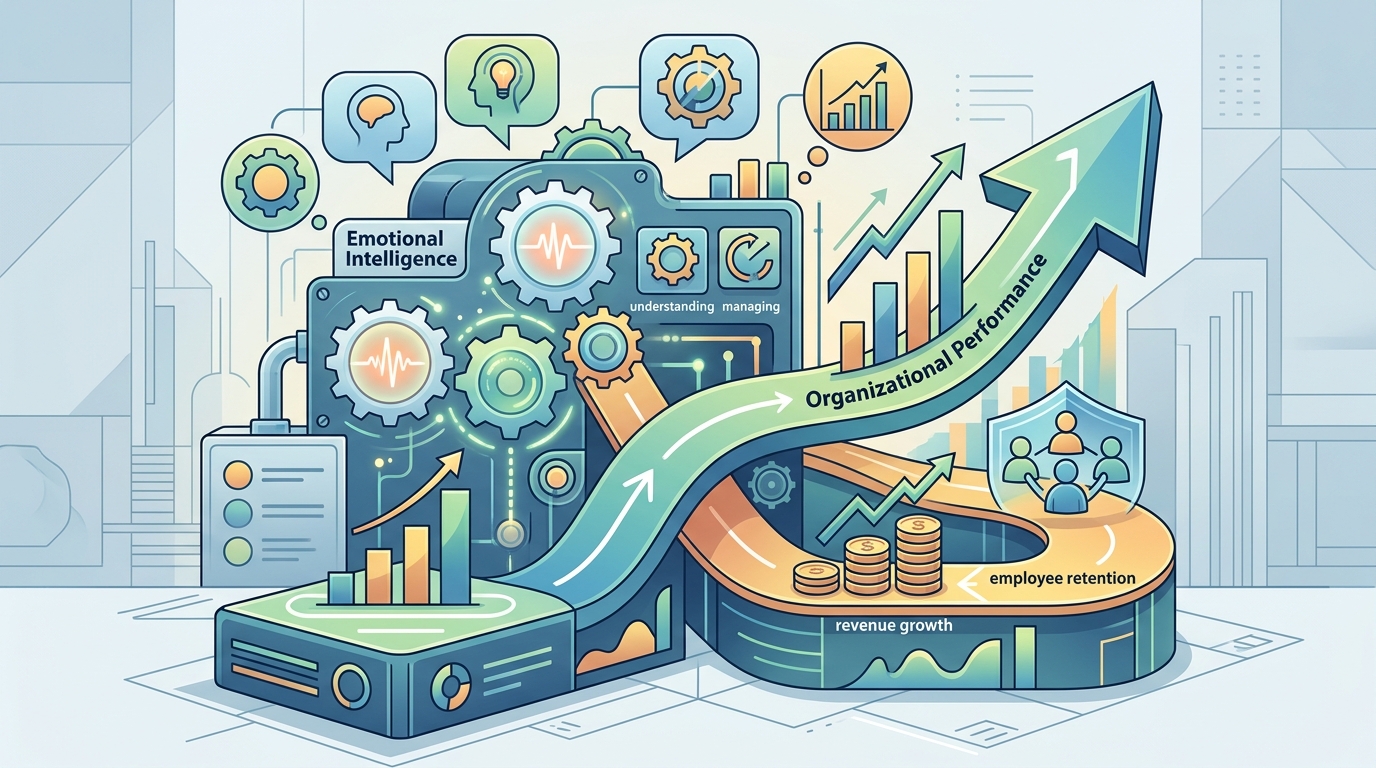
Emotional intelligence is the measurable capacity to recognize, understand, and manage one's own emotions and those of others in a professional setting. It is not merely a soft skill but a critical driver of enterprise success. Recent industry analysis indicates that organizations with high emotional intelligence outperform their peers by significant margins in revenue growth and employee retention. This guide explores how leveraging emotional intelligence transforms organizational culture, enhances leadership effectiveness, and drives tangible business results.
Why Emotional Intelligence Drives Performance
Most organizations operate well within their limits. They rely on traditional metrics that ignore the human element of productivity. We help organizations find out what happens when you don't, because human potential is limitless. When leaders prioritize emotional intelligence, they unlock a competitive advantage that artificial intelligence cannot replicate. This advantage stems from the ability to navigate complex social dynamics with clarity and purpose.
Emotional intelligence is the single most under leveraged competitive advantage available to any organization. It allows leaders to close the gap between intent and impact. Without it, strategic initiatives often fail due to poor execution or resistance from teams that feel misunderstood. With it, organizations can turn complexity into opportunity. The data shows that companies focusing on EI see higher levels of engagement and lower turnover rates.
According to recent studies on workplace dynamics, teams with high emotional intelligence demonstrate greater resilience during periods of change. This resilience is crucial for maintaining performance during market volatility. Leaders who understand the emotional drivers of their teams can make more informed decisions. They avoid the pitfalls of reactive management and instead foster an environment of proactive problem solving.
The Leadership Connection
Leadership is not just about making decisions. It is about influencing outcomes through human connection. Our advisory services across strategy, execution and transformation make capability and culture the engine of performance. We work with ambitious leaders to close the gap between intent and impact. This requires a deep understanding of self awareness and empathy.
Self awareness is the ability to recognize one's own emotions and their effect on others. It is the foundation of effective leadership. Without it, leaders risk making decisions based on bias or stress rather than data and logic. Our approach ensures that leaders develop this critical skill through rigorous assessment and coaching.
Empathy is often misunderstood as a soft skill. However, it is a strategic tool for building trust. When leaders demonstrate genuine empathy, they create psychological safety. This safety allows team members to take risks, share ideas, and innovate. The result is a more agile and responsive organization. We have trained over 1200 leaders and HR practitioners in emotional intelligence to drive this change.
Transforming Organizational Culture
Culture is the shared values and behaviors that define an organization. It is not built through posters or slogans. It is built through consistent actions and interactions. Our belief is that emotional intelligence is the key to sculpting high performing cultures built on trust, authenticity and purpose. We have been harnessing this power for more than 30 years.
Toxic positivity is a common barrier to authentic culture. It gaslights employees by dismissing their real concerns. Instead, we promote psychosocial safety. Psychosocial safety is the shared belief that the team will not embarrass, reject or punish someone for speaking up. This belief encourages open communication and reduces the fear of failure.
Our clients see a shift from compliance driven culture to performance driven culture. This shift is evident in the way teams collaborate and solve problems. They move from siloed operations to integrated solutions. The repeat client rate for our cultural transformation services is 100 percent. This statistic reflects the tangible value our clients derive from our work.
HR Strategy and Emotional Intelligence
HR is evolving from a administrative function to a strategic partner. HR Mastery guides HR Leaders and practitioners to drive strategy, execution and enterprise performance. This evolution requires HR professionals to understand the emotional drivers of employee behavior. They must be able to diagnose cultural issues and implement effective solutions.
Performance reviews are often a source of anxiety and disengagement. We believe it is time to stop relying on formal performance reviews as the primary driver of growth. Instead, we advocate for continuous feedback loops. These loops are more effective because they are timely and relevant. They allow for course correction in real time.
Our HR leaders utilize insights from Human Synergistics emotional intelligence tools. These tools provide a standardized framework for assessing cultural dynamics. They help identify blind spots in leadership and team interactions. By using these insights, HR can design interventions that address root causes rather than symptoms.
EI Tools and Methodologies
Different organizations require different approaches to emotional intelligence. The table below summarizes the key methodologies we employ to drive performance.
| Methodology | Focus Area | Primary Outcome | Best For |
|---|---|---|---|
| Human Synergistics LSI® | Cultural Dynamics | Identify cultural barriers to performance | Organizations undergoing change |
| Coach. Purposeful Conversations | Leadership Communication | Enhance clarity and accountability | Senior leaders and managers |
| Emotional Intelligence Assessment | Individual Development | Personal growth and self awareness | High potential employees |
| Advisory Services | Strategic Alignment | Align culture with business goals | Executive teams |
Each methodology is tailored to the specific needs of the organization. We do not believe in one size fits all solutions. Our approach is deeply practical and grounded in decades of senior leadership experience. We have sat in the chair. We have navigated the challenges, the politics, the pressure and the moments where the right leadership decision made all the difference.
Key Takeaways
- Emotional intelligence is a measurable competitive advantage that drives revenue and retention.
- Leaders with high self awareness make better decisions and build stronger teams.
- Psychosocial safety is essential for innovation and risk taking.
- HR must evolve from administrative to strategic to leverage EI effectively.
- Continuous feedback is more effective than formal performance reviews.
- Human Synergistics LSI® provides a robust framework for cultural assessment.
- Our 100 percent repeat client rate reflects the tangible value of our services.
Frequently Asked Questions
How does emotional intelligence impact revenue?
Emotional intelligence impacts revenue by improving employee engagement and reducing turnover. Engaged employees are more productive and provide better customer service. This leads to higher sales and customer loyalty. Studies show that companies with high EI see a significant increase in profitability.
What is the difference between empathy and sympathy?
Empathy is understanding and sharing the feelings of another. Sympathy is feeling pity for another. In leadership, empathy is more effective because it leads to action and support. It builds trust and connection. Sympathy can create distance and dependency.
How long does it take to improve organizational culture?
The timeline varies depending on the size of the organization and the depth of the issues. However, significant changes can be seen within six to twelve months. Our clients often report immediate improvements in team dynamics after implementing our strategies.
Why is Human Synergistics LSI® important?
Human Synergistics LSI® is a scientifically validated tool for assessing organizational culture. It helps identify the underlying drivers of behavior and performance. By understanding these drivers, organizations can make targeted interventions to improve culture and performance.
Can emotional intelligence be taught?
Yes, emotional intelligence can be taught and developed. It requires self awareness, practice, and feedback. Our coaching programs provide the structure and support needed for leaders to develop these skills effectively.
What is the role of HR in promoting emotional intelligence?
HR plays a critical role in promoting emotional intelligence by integrating it into hiring, training, and performance management processes. HR leaders must model EI behaviors and create a culture that values emotional awareness.
How do you measure the ROI of emotional intelligence initiatives?
ROI can be measured through metrics such as employee retention, engagement scores, and productivity levels. Organizations often see a reduction in conflict and an increase in innovation as key indicators of success.
Start Your Transformation
Are you ready to unlock the potential of your organization? We work with ambitious leaders to close the gap between intent and impact. Contact us today to learn how our advisory services can transform your culture and drive performance. Visit our contact page to schedule a consultation. Explore our solutions to see how we can help your team.