
Most organizations operate well within their limits, leaving significant performance potential untapped. Research indicates that emotional intelligence is the single most under-leveraged competitive advantage available to any organization. This gap between what leaders intend to achieve and the actual impact they create is where growth stagnates. By addressing this disconnect, companies can unlock human potential that AI cannot replicate. (Extensive Real World Experience)
Understanding the Intent-Impact Gap
Leadership growth is often misunderstood as a linear progression of skills. In reality, it is a complex interplay of self-awareness, strategic execution, and cultural influence. The intent-impact gap occurs when a leader's strategic vision fails to translate into tangible organizational outcomes. This disconnect is rarely due to a lack of technical knowledge. Instead, it stems from an inability to navigate human behavior and organizational dynamics. (Leadership Emotional Intelligence Uncapped)
When leaders fail to close this gap, organizations suffer from misalignment, reduced morale, and stalled growth. The cost of this misalignment is significant. According to recent industry analyses, psychosocial safety has become a critical risk control as claims rise and people management fundamentals erode. Leaders must recognize that their behavior is the primary driver of this risk.
Addressing this gap requires a shift from traditional management to strategic advisory. It demands that leaders move beyond compliance and administration into true commercial partnership. This shift is not optional for organizations aiming for sustainable growth. It is a fundamental requirement for navigating complexity and competition.
Emotional Intelligence as a Core Competency
Emotional intelligence is not a soft skill. It is the foundational capability that enables leaders to interpret, understand, and manage their own emotions and those of others. Without this competency, strategic initiatives often fail due to poor execution and resistance. Emotional intelligence allows leaders to turn complexity into opportunity.
Self-awareness is the cornerstone of this competency. It is the skill most people think they have but do not truly possess. Leaders often believe they know how they show up, yet the reality is often very different. This lack of accurate self-perception creates blind spots that hinder growth. By leveraging insights from Human Synergistics tools, leaders can gain a clear picture of their behavioral tendencies.
Developing emotional intelligence requires deliberate practice and feedback. It involves engaging in purposeful conversations that challenge assumptions and promote accountability. Leaders who master this competency are better equipped to build trust and authenticity within their teams. This trust is the engine of performance, driving both individual and organizational success.
Culture and Performance Dynamics
Organizational culture is not a peripheral concern. It is the central determinant of performance and growth. A high-performing culture is built on trust, authenticity, and purpose. When these elements are present, employees are engaged, innovative, and aligned with strategic goals. Conversely, a culture lacking these elements leads to disengagement and turnover.
Culture surveys often provide a false sense of transparency. They can mask underlying issues if not interpreted correctly. To truly understand culture, leaders must look beyond surface-level metrics. They must examine the behaviors, decisions, and interactions that define the daily experience. This deeper analysis reveals the hidden costs of cultural misalignment.
Building a high-performing culture requires consistent effort and leadership commitment. It involves creating an environment where accountability and performance coexist. Leaders must model the behaviors they wish to see. They must challenge themselves and their teams to move beyond comfort zones. This process is essential for unlocking human potential and driving sustainable growth.
Leadership Tools and Methodologies
Effective leadership growth requires access to robust tools and methodologies. These resources provide the framework for understanding human behavior and driving change. One such tool is the Leader and Organisation Culture Insights (LSI®). This model helps leaders identify their preferred styles and understand their impact on others.
Another critical methodology is Coach. purposeful conversations©. This approach focuses on having difficult conversations with clarity, honesty, and care. It moves beyond superficial feedback to address root causes and drive meaningful change. Leaders who utilize this methodology report higher levels of team engagement and performance.
| Tool/Methodology | Primary Focus | Impact on Growth |
|---|---|---|
| Human Synergistics LSI® | Behavioral Styles & Culture | Enhances self-awareness and team alignment |
| Coach. Purposeful Conversations | Accountability & Feedback | Drives performance through honest dialogue |
| Strategic Advisory | Execution & Transformation | Closes the intent-impact gap |
| HR Mastery Framework | HR Strategy & Practice | Elevates HR to a commercial partner |
Integrating these tools into daily practice requires commitment. Leaders must be willing to step out of their comfort zones and engage in continuous learning. This investment yields significant returns in terms of leadership effectiveness and organizational resilience.
Strategic Advisory for Growth
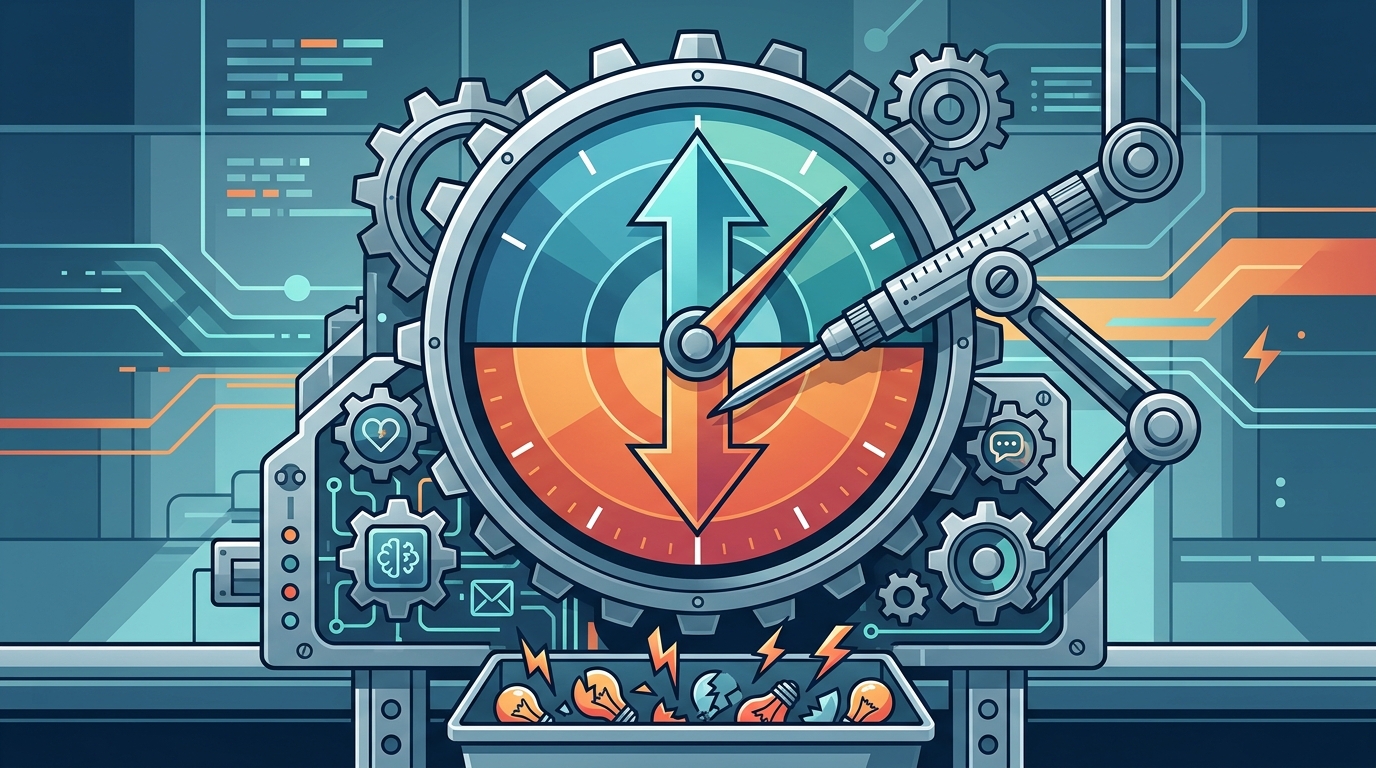
Strategic advisory services bridge the gap between leadership intent and organizational impact. These services focus on strategy, execution, and transformation. They help organizations make capability and culture the engine of performance. By working with experienced advisors, leaders can identify blind spots and develop actionable plans for growth.
Advisory is not about providing answers. It is about guiding leaders to find their own solutions. This approach builds capability and empowers leaders to navigate complexity independently. It also ensures that changes are sustainable and aligned with the organization's long-term goals.
For HR leaders, strategic advisory helps shift the profession beyond compliance. It positions HR as a true commercial partner and strategic influencer. This shift is critical for driving enterprise performance and achieving business objectives. Organizations that embrace this shift are better positioned for future success.
Key Takeaways
- Emotional intelligence is the single most under-leveraged competitive advantage in modern organizations.
- The intent-impact gap is a primary driver of organizational stagnation and must be actively addressed.
- Self-awareness is a critical skill that many leaders lack, leading to significant blind spots.
- Psychosocial safety is a rising risk factor that requires proactive leadership management.
- Human Synergistics LSI® provides valuable insights into leadership styles and organizational culture.
- Coach. purposeful conversations© is essential for driving accountability and performance.
- Strategic advisory helps align leadership intent with tangible organizational outcomes.
Frequently Asked Questions
What is the intent-impact gap in leadership?
The intent-impact gap is the disconnect between a leader's strategic vision and the actual results achieved by their organization. It often stems from poor execution and a lack of emotional intelligence.
Why is emotional intelligence considered a competitive advantage?
Emotional intelligence enables leaders to navigate human behavior, build trust, and drive performance in ways that technical skills alone cannot. It is a key differentiator in complex environments.
How does Human Synergistics LSI® help leaders?
LSI® provides insights into behavioral styles and organizational culture, helping leaders understand their impact on others and identify areas for growth.
What is Coach. purposeful conversations©?
It is a methodology for having difficult conversations with clarity and honesty, promoting accountability and driving meaningful change within teams.
How can strategic advisory support organizational growth?
Strategic advisory helps organizations align their leadership capabilities with their business goals, ensuring that culture and capability drive performance.
Why is psychosocial safety important for leaders?
Psychosocial safety is critical for risk management and employee well-being. Leaders who prioritize it create safer, more productive work environments.
What role does HR play in leadership growth?
HR must evolve from a compliance function to a strategic partner, driving culture and capability initiatives that support business objectives.
Next Steps for Leadership Growth
Are you ready to close the gap between your leadership intent and organizational impact? Uncapped Potential works with ambitious leaders to unlock human potential and drive performance. Explore our leadership solutions and discover how we can help your organization thrive. Contact us today to start your journey towards unlimited growth.