
What to Expect From an Emotional Intelligence Assessment With a Leadership Consultant
Expect a structured diagnostic process that maps your thinking styles, behavioral patterns, and impact on others. A leadership consultant guides you through interpreting results, identifying blind spots, and building a practical development plan. This process transforms raw data into actionable leadership behaviors that drive performance and culture.
The Diagnostic Framework
Emotional intelligence assessment is a psychometric process that measures how leaders think, feel, and behave under pressure. Unlike personality tests that categorize traits, these tools evaluate dynamic behavioral styles. For example, the Human Synergistics LSI measures constructive, passive/defensive, and aggressive/defensive styles. This framework reveals the gap between how you see yourself and how others experience you. Understanding this gap is the first step in closing the distance between intent and impact.
The Consultation Process
The assessment is rarely a standalone event. It is the starting point of a guided dialogue with a leadership consultant. The consultant helps you interpret complex data, such as circumplex results, in the context of your specific role. They challenge your assumptions and ask difficult questions about your triggers and default responses. This interactive process ensures the data is not just read, but understood. It moves the conversation from abstract concepts to real-world scenarios you face daily.
Blind Spots and Feedback
One of the most valuable outcomes is the identification of blind spots. Many leaders overestimate their self-awareness. The assessment highlights areas where your self-perception diverges from external feedback. For instance, a leader might view themselves as direct and efficient, while their team experiences them as dismissive. The consultant facilitates a safe environment to discuss these discrepancies. This honesty is uncomfortable but essential for growth. It prevents the repetition of unhelpful patterns that erode trust and performance.
Development Planning
Insight without action is useless. The consultant works with you to translate findings into a concrete development plan. This plan focuses on specific behavioral shifts rather than vague goals. For example, if self-regulation is a weak area, the plan might include specific techniques for pausing before reacting in high-stress meetings. The plan is tailored to your unique needs and organizational context. It integrates with your broader leadership objectives, ensuring that personal growth aligns with business outcomes. This practical focus distinguishes a true leadership assessment from a generic personality quiz.
Measuring Impact
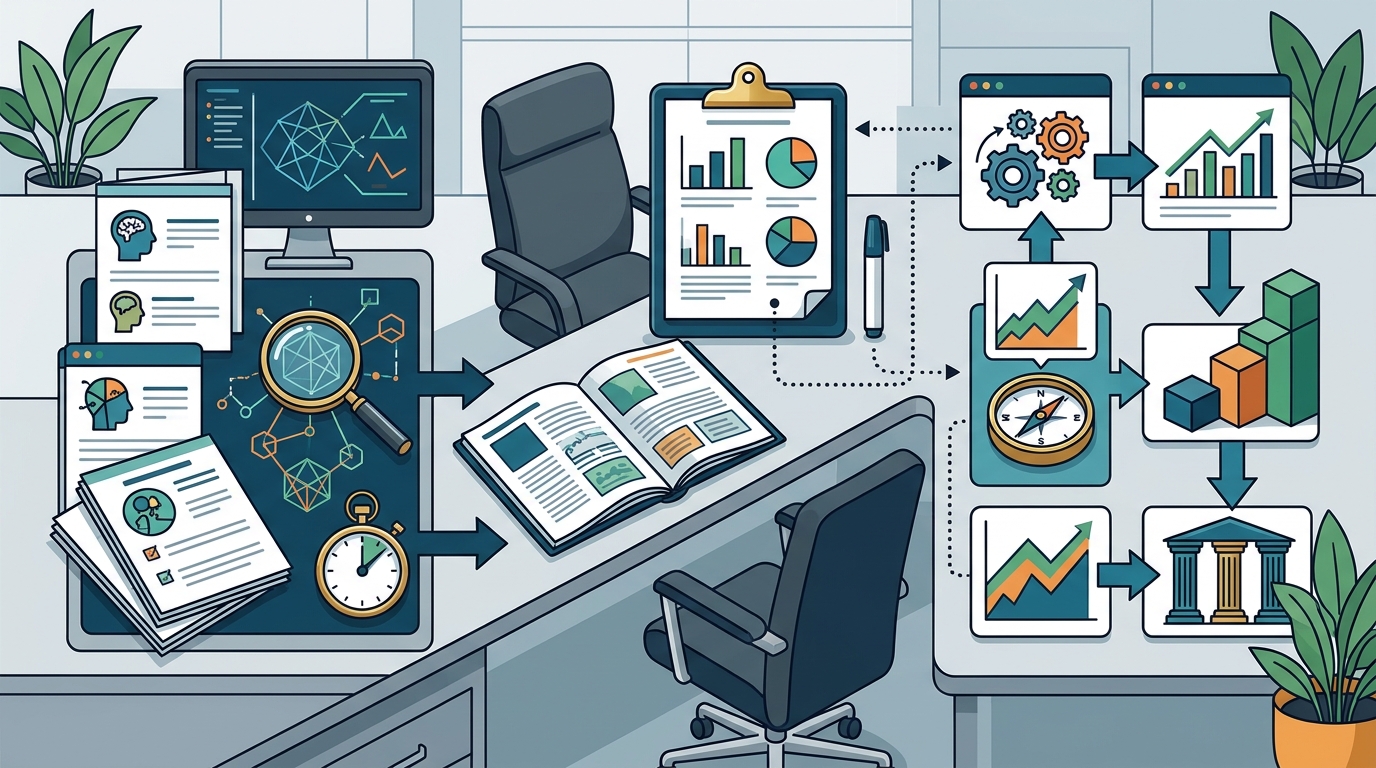
The final phase involves tracking progress and measuring impact. The consultant helps you establish metrics for behavioral change. This might include 360-degree feedback follow-ups or performance indicators. The goal is to see if the new behaviors are creating the desired results in your team and organization. This continuous loop of assessment, action, and review ensures that development is sustainable. It turns emotional intelligence from a one-time exercise into a lifelong leadership discipline. At Uncapped Potential, we emphasize that emotional intelligence is a leadership discipline, not a soft skill. It is the human edge of culture and performance.
Key Takeaways
- Expect a structured diagnostic that measures thinking styles, not just personality traits.
- The consultant guides interpretation, helping you understand the gap between intent and impact.
- Blind spots are identified through the contrast of self-perception and external feedback.
- Development plans focus on specific, actionable behavioral shifts.
- Progress is tracked through follow-up metrics and 360-degree feedback.
- Emotional intelligence is a leadership discipline that drives performance and culture.
Frequently Asked Questions
How long does an emotional intelligence assessment take?
The initial assessment usually takes 30 to 60 minutes to complete. The subsequent consultation and development planning sessions vary in length but typically involve multiple meetings over several weeks.
Is the assessment confidential?
Yes, the results are confidential. The consultant ensures that the data is used for your personal development and is shared only with your explicit consent.
What is the difference between an EI assessment and a personality test?
Personality tests categorize static traits, while EI assessments measure dynamic behavioral styles and their impact on others. EI focuses on how you think and behave, not just who you are.
Can I do the assessment on my own?
You can complete the questionnaire independently, but the value lies in the guided interpretation. A consultant helps you understand the nuances and apply the insights effectively.
How does this help my team?
When leaders develop emotional intelligence, it improves team trust, communication, and performance. It creates a culture where people feel safe to speak up and collaborate.
What tools are commonly used?
Tools like the Human Synergistics LSI are widely used. They provide a detailed map of constructive and defensive styles, offering a comprehensive view of leadership effectiveness.
Is this suitable for new leaders?
Yes, it is highly beneficial for new leaders. It helps them understand their impact and develop the skills needed to manage people and performance effectively.