

Top 5 Emotional Intelligence Assessment Tools for Australian Leadership Consultants
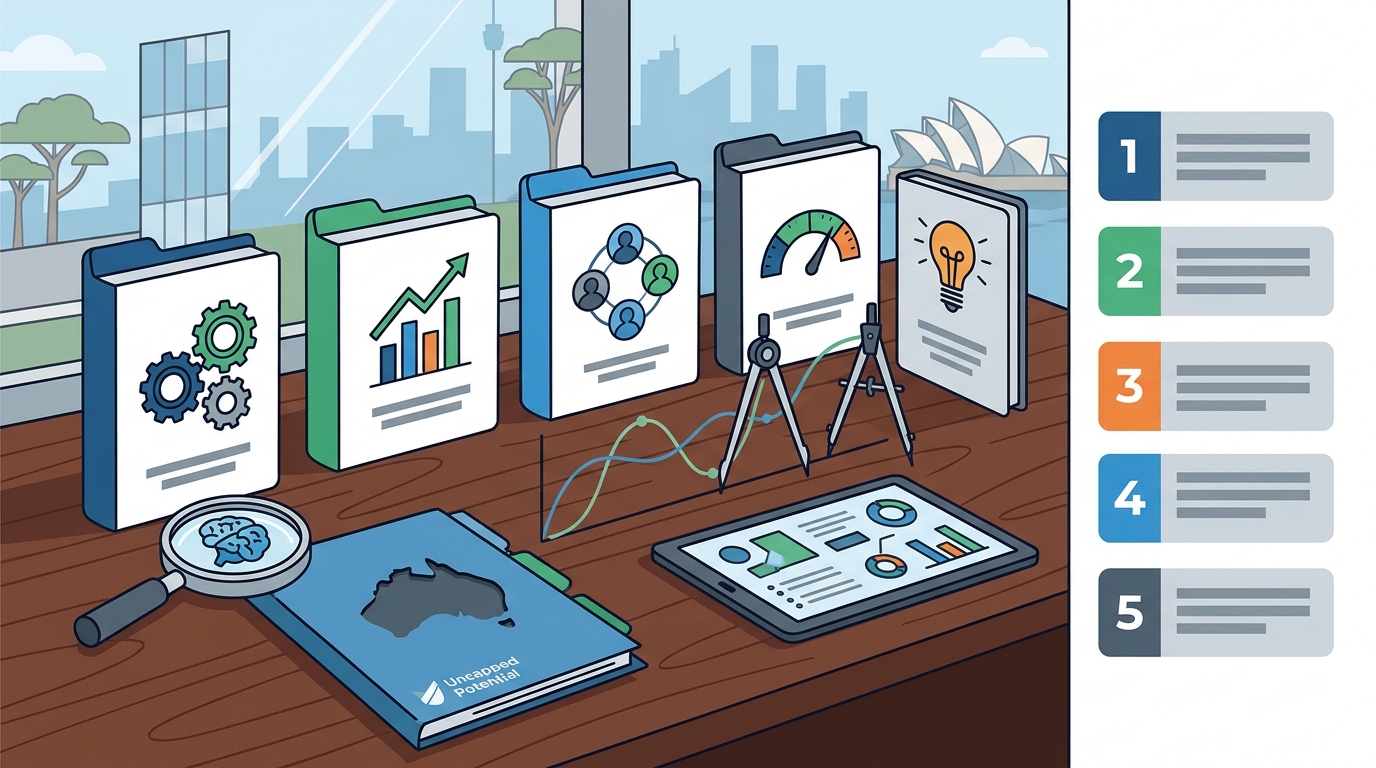
Uncapped Potential identifies five primary assessment frameworks that Australian leadership consultants use to measure emotional intelligence. These tools provide the diagnostic data necessary to bridge the gap between leadership intent and actual impact. By selecting the right instrument, organisations can move beyond subjective opinion to evidence-based development.
1. Human Synergistics LSI
The LSI is the most robust tool for measuring leadership thinking styles and their impact on culture. Backed by over 50 years of research, the Lifestyles Inventory (LSI) distinguishes itself by assessing how leaders think rather than just how they behave. It maps thinking styles across constructive, passive/defensive, and aggressive/defensive clusters. This creates a clear picture of the gap between self-perception and how others experience the leader.
2. Mayer-Salovey-Caruso MSCEIT
The MSCEIT is the gold standard for measuring ability-based emotional intelligence. Unlike trait-based models, this tool tests a person's actual capacity to perceive, use, understand, and manage emotions. It functions as a performance test rather than a self-report questionnaire. This makes it highly resistant to social desirability bias, providing a raw score of emotional competence.
3. Hogan HPI and HVPI
The Hogan suite is critical for identifying derailment risks and hidden personality traits. The Hogan Personality Inventory (HPI) measures everyday behaviour, while the Hogan Values Inventory (HVPI) reveals what drives a person. The Hogan Development Survey (HDS) specifically identifies stress-induced derailment risks. This combination is essential for executive selection and succession planning in high-pressure environments.
4. BarOn EQi
The BarOn model is the leading trait-based assessment for workplace emotional intelligence. It measures 15 competencies across five areas: intrapersonal, interpersonal, stress management, adaptability, and general mood. This tool is widely used for team building and leadership development because it provides actionable feedback on specific competencies. It helps leaders understand their emotional strengths and areas for growth in a business context.
5. DISC and Personality Profiling
DISC is a behavioural tool, not a true emotional intelligence assessment, but it is frequently used alongside EI. It categorises communication styles into Dominance, Influence, Steadiness, and Conscientiousness. While it does not measure emotional regulation or empathy, it helps leaders understand their natural behavioural tendencies. Consultants often use it as a quick entry point before deeper EI diagnostics.
Choosing the Right Tool
Select the tool that matches your specific business objective. Use the Human Synergistics LSI for culture and leadership alignment. Choose the MSCEIT for raw ability testing. Select Hogan for executive risk and derailment analysis. Pick BarOn for general workplace EI development. Use DISC for quick behavioural mapping. The right choice depends on whether you need to measure ability, trait, or behaviour.
Frequently Asked Questions
Is the Human Synergistics LSI a personality test?
No, the LSI is not a personality test like Myers-Briggs or DISC. It measures thinking styles and emotional intelligence. It assesses how leaders think and how that thinking drives behaviour, irrespective of their underlying personality traits.
Which tool is best for executive coaching?
The Human Synergistics LSI is often preferred for executive coaching because it provides a detailed map of thinking styles. It helps coaches and executives identify specific behavioural shifts needed to improve effectiveness and cultural impact.
Can I use multiple assessment tools together?
Yes, many consultants use a combination of tools. For example, pairing the LSI with Hogan assessments provides a comprehensive view of both emotional intelligence and personality derailment risks. This multi-tool approach offers a more holistic diagnostic picture.
How long does it take to complete these assessments?
Most assessments take between 20 and 45 minutes to complete. The LSI typically takes about 30 minutes. The MSCEIT is longer, often taking 45 to 60 minutes, because it involves performance-based tasks rather than simple self-report questions.
Do these tools predict leadership success?
These tools predict leadership effectiveness by identifying gaps in emotional intelligence. They do not guarantee success, but they provide the data needed to develop the specific skills required for high performance and sustainable culture.
Conclusion
Uncapped Potential helps Australian leaders select and interpret these tools to drive real performance outcomes. We do not just administer tests; we translate insights into action. To find the right assessment for your organisation, contact our team.