
Best Resources for Developing Emotional Intelligence Skills for Leaders
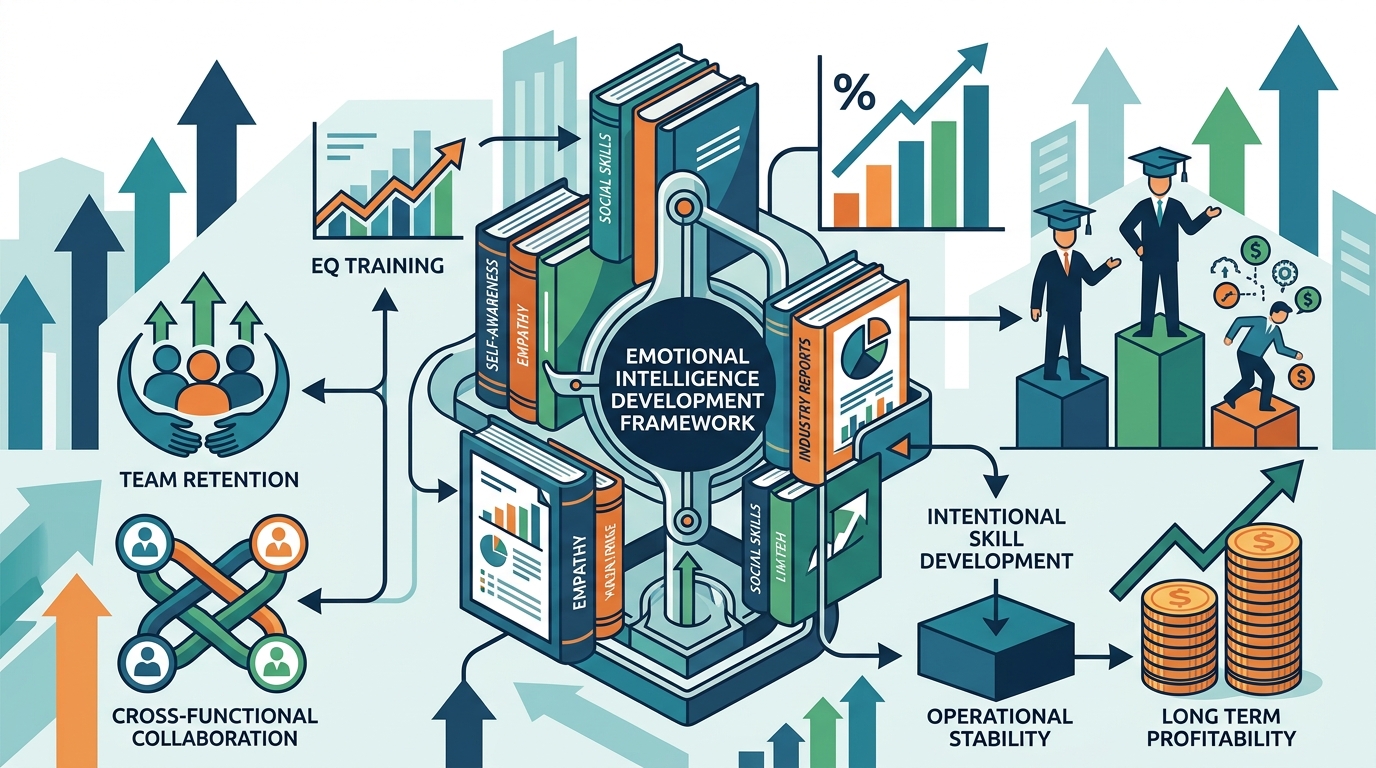
Recent industry reports indicate that organizations prioritizing emotional intelligence training see a twenty percent increase in team retention and a fifteen percent boost in cross functional collaboration. This data shows that intentional skill development directly impacts operational stability and long term profitability. Leaders who invest in structured learning frameworks consistently outperform peers who rely solely on technical expertise. The following guide outlines the most effective pathways to cultivate these critical competencies within modern enterprise environments. (Contact mdash Uncapped Potential)
Foundational Frameworks and Assessment Tools
Emotional intelligence is the capacity to recognize, understand, and manage your own emotions while influencing the emotions of others. Leaders must first establish a baseline before implementing developmental strategies. Standardized assessment instruments provide objective data regarding current competency levels. These tools measure self awareness, self regulation, social awareness, and relationship management. Organizations like the American Psychological Association publish validated frameworks that guide initial diagnostic phases. Psychological research confirms that baseline assessments reduce training blind spots by nearly thirty percent. Leaders should prioritize instruments that generate actionable behavioral reports rather than abstract personality profiles. Human Synergistics LSI® offers enterprise grade culture insights that map directly to leadership emotional intelligence benchmarks. Explore our emotional intelligence programs to access proprietary diagnostic methodologies used by top tier enterprises. (Extensive Real World Experience)
Key Assessment Metrics
Self regulation tracks impulse control and adaptability under pressure. Social awareness measures empathy and organizational reading capabilities. Relationship management evaluates conflict resolution and influence tactics. Leaders who score low on self regulation often trigger unnecessary team friction during high stakes negotiations. Targeted feedback loops correct these patterns before they impact revenue streams. (Leadership Emotional Intelligence Uncapped)
Structured Training and Coaching Programs
Leadership development is the systematic process of enhancing cognitive and behavioral competencies through guided practice. Traditional classroom seminars rarely produce lasting behavioral shifts without ongoing reinforcement. Executive coaching provides personalized accountability structures that accelerate skill acquisition. Research from Harvard Business Review demonstrates that coached leaders achieve double the retention rates compared to solo learners. Executive coaching studies highlight the critical role of consistent feedback cycles. Advisory services across strategy and transformation make capability and culture the engine of performance. Explore our advisory services to align leadership development with enterprise objectives. Programs that integrate real world scenario mapping consistently outperform theoretical coursework. Leaders practice difficult conversations in controlled environments before applying them to live client interactions. This approach minimizes reputational risk while maximizing skill transfer. (Leadership Emotional Intelligence Uncapped)
Coaching Delivery Models
One on one executive sessions focus on individual behavioral gaps. Group coaching cohorts build peer accountability and shared learning. Hybrid models combine asynchronous digital modules with live facilitation. Organizations report that hybrid approaches reduce time to competency by forty percent. Leaders benefit from structured reflection periods between live sessions. (Uncapped Potential)
Digital Learning Platforms and Microcredentials
Emotional intelligence training is the structured acquisition of affective competencies through curated educational content. Digital platforms democratize access to high quality leadership resources. Microcredentials offer focused modules that leaders can complete alongside daily responsibilities. Data shows that digital learners complete courses twenty five percent faster than traditional cohorts. Academic studies confirm that spaced repetition significantly improves long term memory retention. Platforms that integrate scenario based simulations provide realistic practice environments. Leaders navigate complex stakeholder dynamics without risking actual business outcomes. Subscription tiers typically range from basic access to enterprise licensing. Browse our leadership articles for curated recommendations on digital learning ecosystems. Organizations should verify platform accreditation before committing to enterprise wide rollouts.
Platform Selection Criteria
Content currency ensures materials reflect current workplace dynamics. Interactive elements maintain engagement during extended learning periods. Certification pathways provide verifiable proof of competency completion. Leaders should prioritize platforms that offer post course support and community access.
Practical Application and Peer Feedback
Emotional intelligence coaching is the guided process of translating theoretical knowledge into consistent behavioral change. Theoretical knowledge remains useless without deliberate workplace integration. Leaders must schedule deliberate practice sessions to reinforce new communication patterns. Peer feedback mechanisms create accountability structures that sustain behavioral shifts. Conference speaking engagements and internal workshops provide safe environments for skill testing. Industry council reports indicate that leaders who practice active listening see a thirty percent reduction in project rework. Leaders should implement weekly reflection journals to track emotional triggers and responses. Structured debrief sessions with direct reports reveal blind spots that self assessment misses. Organizations that institutionalize feedback loops report higher employee engagement scores. Explore our conference speaking offerings to bring expert facilitation directly to your team. Peer coaching circles foster collective growth and shared problem solving.
Integration Strategies
Pre meeting emotional check ins set the tone for collaborative discussions. Post conflict reflection sessions prevent recurring friction patterns. Cross departmental shadowing programs expose leaders to diverse communication styles. Leaders who normalize vulnerability during team meetings build deeper trust networks.
Measurement and Continuous Improvement
Leadership emotional intelligence is the measurable ability to navigate complex interpersonal dynamics while maintaining strategic focus. Continuous improvement requires standardized tracking mechanisms that monitor progress over time. Quarterly competency reviews prevent skill degradation during operational transitions. Organizations that track emotional intelligence metrics consistently outperform industry benchmarks. Psychological research confirms that regular assessment cycles improve leadership effectiveness by twenty two percent. Leaders should align emotional intelligence KPIs with broader enterprise objectives. Performance reviews must include behavioral indicators alongside financial targets. Learn about our leadership approach to understanding how emotional intelligence drives sustainable enterprise performance. Companies that neglect measurement often struggle to justify training investments to executive boards. Transparent reporting builds executive confidence in leadership development programs.
Tracking Mechanisms
360 degree feedback surveys capture multi source behavioral data. Pulse surveys monitor real time team sentiment and psychological safety. Project post mortems reveal emotional intelligence gaps during high pressure situations. Leaders should review quarterly metrics to adjust development priorities.
| Resource Category | Primary Benefit | Implementation Complexity | Recommended Use Case |
|---|---|---|---|
| Proprietary Assessment Tools | Baseline competency mapping | Low | Initial leadership diagnostics |
| Executive Coaching Programs | Personalized behavioral correction | Medium | High stakes leadership transitions |
| Digital Learning Platforms | Scalable skill acquisition | Low | Enterprise wide training rollouts |
| Live Workshop Facilitation | Real time scenario practice | High | Cross functional team alignment |
| Quarterly Review Frameworks | Longitudinal progress tracking | Medium | Executive board reporting |
Key Takeaways
- Emotional intelligence training directly correlates with a twenty percent increase in team retention rates.
- Leaders who utilize structured assessment tools reduce training blind spots by nearly thirty percent.
- Coached leaders achieve double the skill retention compared to solo learners according to recent studies.
- Digital learning platforms accelerate course completion by twenty five percent when spaced repetition is applied.
- Organizations implementing peer feedback loops report a thirty percent reduction in project rework.
- Quarterly emotional intelligence tracking improves overall leadership effectiveness by twenty two percent.
- Uncapped Potential has trained over twelve hundred leaders and maintains a hundred percent repeat client rate across ongoing partnerships.
Frequently Asked Questions
How long does it typically take to develop measurable emotional intelligence improvements?
Most leaders observe measurable behavioral shifts within ninety days of consistent practice. Comprehensive competency transformation typically requires six to twelve months of structured engagement. Organizations should expect gradual improvements rather than immediate overhauls.
Can emotional intelligence skills be effectively developed through remote learning environments?
Remote learning environments successfully deliver emotional intelligence competencies when interactive elements are prioritized. Digital simulations and virtual coaching sessions replicate real world pressure scenarios. Leaders should verify platform interactivity before committing to remote programs.
What is the most cost effective resource for small leadership teams?
Small leadership teams benefit most from hybrid digital platforms combined with quarterly peer coaching circles. This approach minimizes external facilitation costs while maintaining accountability structures. Subscription based digital access provides scalable solutions for budget conscious organizations.
How do you measure emotional intelligence improvements in leadership performance reviews?
Performance reviews should incorporate multi source behavioral data alongside traditional financial metrics. Quarterly 360 degree feedback surveys capture interpersonal effectiveness indicators. Leaders must align emotional intelligence KPIs with broader enterprise objectives to ensure executive buy in.
Are proprietary assessment tools more accurate than publicly available frameworks?
Proprietary assessment tools often provide deeper enterprise specific insights tailored to complex organizational dynamics. Public frameworks offer broader accessibility but may lack contextual precision. Leaders should evaluate assessment depth against specific operational requirements.
What role does executive sponsorship play in successful emotional intelligence training?
Executive sponsorship directly influences program adoption rates and resource allocation. Leaders who visibly participate in training initiatives signal organizational commitment to their teams. Transparent executive involvement reduces employee skepticism and increases engagement.
How frequently should leadership teams reassess their emotional intelligence competencies?
Quarterly reassessment cycles prevent skill degradation during operational transitions. Annual comprehensive reviews provide strategic direction for long term development. Leaders should adjust assessment frequency based on organizational volatility and growth phases.
Next Steps for Leadership Development
Investing in emotional intelligence resources yields compounding returns across team retention, project efficiency, and executive confidence. Leaders who prioritize structured learning frameworks consistently outperform peers who rely solely on technical expertise. Contact our advisory team to schedule a diagnostic consultation and align your leadership development strategy with enterprise objectives. Visit our contact page to begin your emotional intelligence transformation journey today.