

Organizational culture is not a static artifact of mission statements or office perks. It is the living, breathing outcome of daily leadership decisions. Recent data indicates that companies with strong, well-defined cultures are significantly more likely to outperform their peers in revenue growth and employee retention. According to industry benchmarks, organizations that prioritize cultural alignment see a measurable increase in operational efficiency and strategic agility. This guide explores how leaders can intentionally shape culture through deliberate thinking patterns, emotional intelligence, and consistent execution. (Contact mdash Uncapped Potential)
Defining Culture Through Leadership Lens
Before shaping culture, leaders must understand what it actually is. Organizational culture is the shared set of values, beliefs, and behaviors that determine how a company's employees and management interact. It is often described as "how things get done around here." However, this definition is too passive for ambitious leaders. Culture is the engine of performance. It is the invisible architecture that supports or undermines strategic goals. (Leadership Emotional Intelligence Uncapped)
Leadership thinking must shift from viewing culture as a human resources function to seeing it as a core business strategy. When leaders think of culture as a competitive advantage, they begin to make decisions that reinforce desired behaviors. This perspective aligns with the belief that commercial success and people-centric leadership are inseparable. Where others see soft skills, strategic leaders see hard outcomes. (Leadership Emotional Intelligence Uncapped)
Human Synergistics Leader and Organisation Culture Insights provide a framework for understanding these dynamics. By leveraging these insights, leaders can diagnose cultural gaps and implement targeted interventions. The goal is to sculpt high-performing cultures built on trust, authenticity, and purpose. This requires moving beyond traditional management techniques to embrace a more nuanced approach to human potential.
The Role of Emotional Intelligence
Emotional intelligence is not a soft skill. It is the single most under-leveraged competitive advantage available to any organization. Leaders with high emotional intelligence can navigate complexity, manage conflict, and inspire teams more effectively than those relying solely on technical expertise. According to recent studies on leadership effectiveness, emotional intelligence accounts for nearly 58% of performance in all types of jobs.
Leadership Emotional Intelligence involves self-awareness, self-regulation, motivation, empathy, and social skills. When leaders model these traits, they set the tone for the entire organization. For example, a leader who remains calm under pressure signals to their team that challenges are manageable. A leader who actively listens demonstrates that every voice matters. These small, consistent actions accumulate to shape a culture of psychological safety and resilience.
Uncapped Potential has trained over 1,200 leaders and HR practitioners in emotional intelligence. This extensive real-world experience highlights a common pattern: leaders who invest in their own emotional intelligence see a direct correlation with improved team performance and reduced turnover. The data shows that organizations with emotionally intelligent leaders are better equipped to handle change and drive innovation.
Closing the Gap Between Intent and Impact
One of the most critical challenges for leaders is the gap between their intent and their impact. Leaders often intend to empower their teams, but their actions may inadvertently create dependency or confusion. Closing this gap requires deliberate reflection and feedback loops. It involves asking, "What is the actual impact of my behavior on my team?" rather than assuming my intent is sufficient.
Coach. purposeful conversations© is a methodology designed to help leaders engage in these critical dialogues. By focusing on purposeful conversations, leaders can align their actions with their strategic goals. This approach encourages leaders to be constructive, honest, and caring in their interactions. It moves away from diluted performance conversations toward clear, actionable feedback.
Most organizations operate well within their limits. We help organizations find out what happens when you don't, because human potential is limitless. This means pushing beyond comfort zones and challenging existing norms. Leaders must be willing to have difficult conversations and address cultural inflection points directly. By doing so, they create an environment where high performance is not just expected but enabled.
Building Trust and Authenticity
Trust is the foundation of any high-performing culture. Without trust, collaboration breaks down, and innovation stalls. Leaders build trust by being authentic, consistent, and transparent. Authenticity means being genuine in interactions and admitting mistakes when they occur. Consistency means aligning words with actions over time. Transparency means sharing relevant information and explaining the rationale behind decisions.
Uncapped Potential has been harnessing the power of emotional intelligence and sculpting high-performing cultures built on trust, authenticity, and purpose for more than 30 years. This long-term commitment underscores the enduring value of these principles. In a rapidly changing business landscape, trust remains a constant differentiator. Employees who trust their leaders are more engaged, more productive, and more likely to stay with the organization.
Building trust also requires leaders to demonstrate vulnerability. When leaders admit what they do not know, they invite others to contribute their expertise. This creates a culture of continuous learning and collective problem-solving. It also fosters a sense of psychological safety, where employees feel comfortable taking risks and sharing ideas without fear of retribution.
Strategic Execution and Cultural Engine
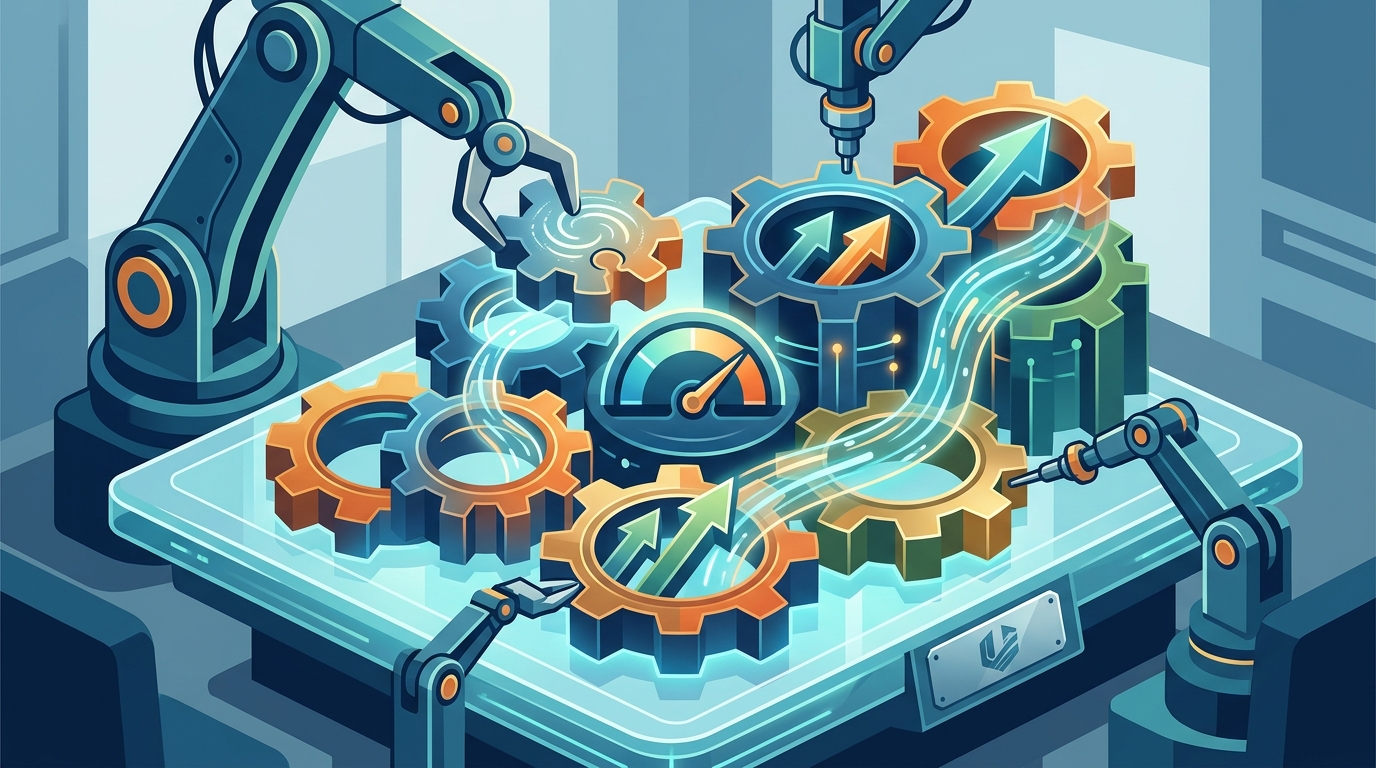
Culture is not just about feelings; it is about execution. Advisory services across strategy, execution, and transformation make capability and culture the engine of performance. Leaders must integrate cultural goals into their strategic planning processes. This means setting clear objectives for cultural development and measuring progress against those objectives.
HR Mastery is essential for guiding HR leaders and practitioners to drive strategy, execution, and enterprise performance. HR professionals play a crucial role in embedding cultural values into hiring, onboarding, and performance management processes. By aligning HR practices with cultural goals, organizations can ensure that their culture is reinforced at every touchpoint.
Conference speaking and bold, insight-driven keynotes can also play a role in shaping culture. By challenging thinking and inspiring action, leaders can create a shared vision for the future. This vision serves as a north star, guiding decisions and behaviors across the organization. It helps to align diverse teams around common goals and values.
Key Takeaways
- Emotional intelligence is a critical competitive advantage, not a soft skill, and is linked to 58% of job performance.
- Leaders must close the gap between their intent and their impact through purposeful conversations and feedback.
- Trust, authenticity, and purpose are the foundational pillars of high-performing cultures, built over decades of practice.
- Human Synergistics Leader and Organisation Culture Insights provide a proven framework for diagnosing and improving cultural dynamics.
- HR Mastery is essential for embedding cultural values into strategic execution and enterprise performance.
- Over 1,200 leaders and HR practitioners have been trained in emotional intelligence, highlighting the scalability of these practices.
- 100% of repeat clients with Uncapped Potential report ongoing partnerships, indicating sustained value in cultural transformation.
Frequently Asked Questions
How does emotional intelligence impact organizational culture?
Emotional intelligence enables leaders to navigate complex human dynamics, fostering a culture of psychological safety and trust. Leaders with high EI model behaviors that encourage open communication and collaboration, directly influencing the overall cultural tone.
What is the gap between intent and impact?
The gap between intent and impact refers to the discrepancy between what a leader intends to communicate or achieve and how their actions are actually perceived by their team. Closing this gap requires deliberate reflection and feedback.
Why is trust considered foundational to culture?
Trust is foundational because it enables risk-taking, innovation, and honest dialogue. Without trust, employees are less likely to share ideas or admit mistakes, stifling growth and performance.
How can HR leaders support cultural transformation?
HR leaders can support cultural transformation by aligning hiring, onboarding, and performance management processes with cultural values. They also play a key role in providing training and resources to help leaders develop the necessary skills.
What role does leadership thinking play in culture shaping?
Leadership thinking determines the priorities and behaviors that are reinforced within an organization. By consciously choosing to prioritize cultural goals alongside business objectives, leaders shape the daily experiences of their employees.
What are Human Synergistics Leader and Organisation Culture Insights?
These insights are a framework and set of tools used to assess and improve organizational culture. They help leaders understand the underlying dynamics of their culture and identify areas for improvement.
How long does it take to shape organizational culture?
Shaping organizational culture is a long-term process that requires consistent effort over years. However, small, consistent actions by leaders can begin to shift cultural norms relatively quickly.
Next Steps for Leadership Transformation
Are you ready to close the gap between intent and impact? Uncapped Potential works with ambitious leaders to sculpt high-performing cultures built on trust, authenticity, and purpose. Explore our solutions to discover how we can help your organization unlock its full potential. Contact us today to schedule a consultation and begin your journey toward leadership excellence.