
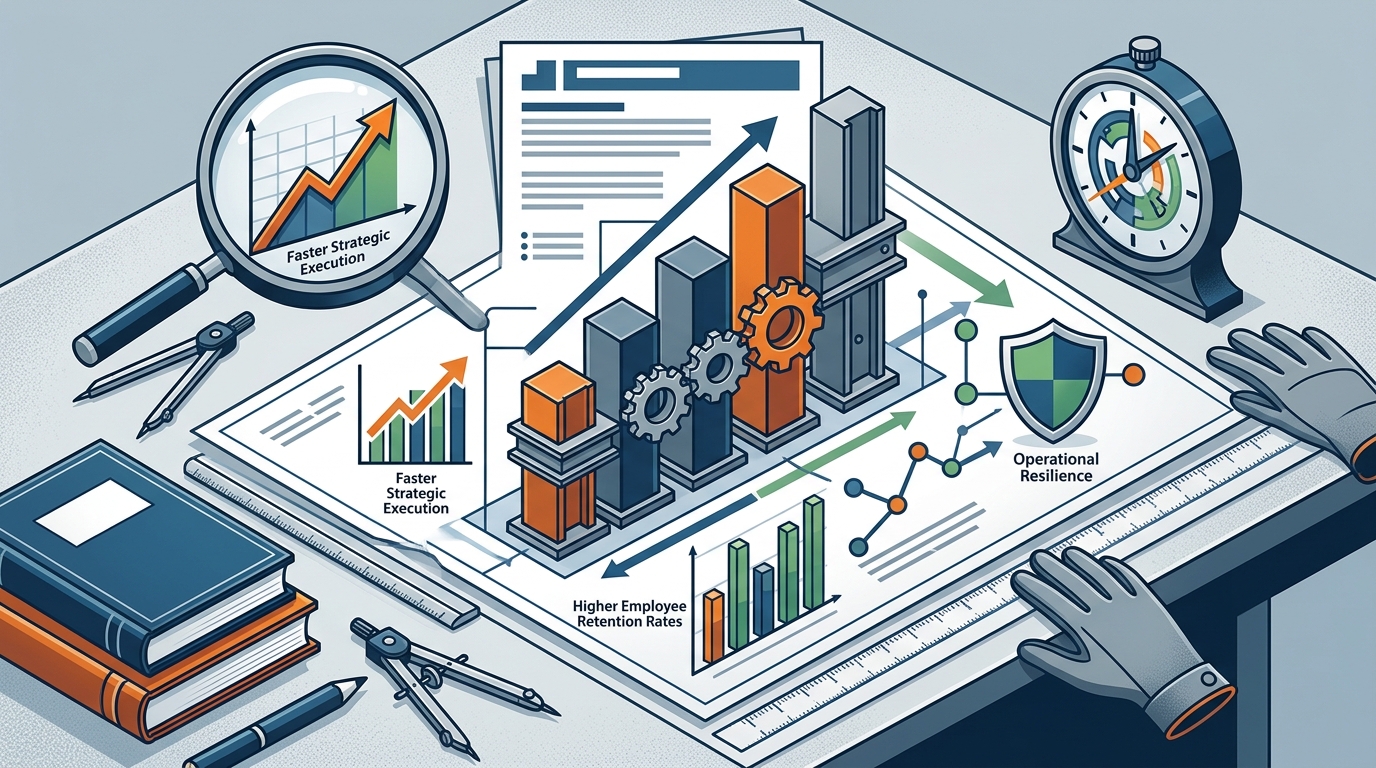
Organizations that invest in structured leadership development see a measurable shift in operational resilience and cultural cohesion. According to recent industry analysis, companies with robust leadership pipelines report significantly higher employee retention rates and faster strategic execution compared to those relying on ad-hoc management. This data highlights that leadership capability is not merely a human resources metric but a critical risk control mechanism in modern business environments. (Extensive Real World Experience)
Psychosocial Safety and Risk Mitigation
One of the most immediate benefits of leadership development is the enhancement of psychosocial safety within teams. Psychosocial safety refers to the shared perception that the team environment supports psychological well-being and open communication. When leaders are trained to recognize and mitigate psychosocial risks, they create an environment where employees feel safe to take interpersonal risks, such as sharing new ideas or admitting mistakes. (Leadership Emotional Intelligence Uncapped)
This safety net is crucial for innovation. Research indicates that teams with high psychosocial safety are more likely to engage in constructive conflict and collaborative problem-solving. Without this foundation, fear of retribution stifles creativity and leads to disengagement. Leadership programs that focus on this area equip managers with the tools to identify early warning signs of burnout and stress, allowing for proactive intervention rather than reactive crisis management. (Leadership Emotional Intelligence Uncapped)
Furthermore, as psychosocial claims in the workplace rise, leadership capability becomes a primary defense against legal and reputational risk. Leaders who understand the nuances of mental health and workplace dynamics can navigate complex interpersonal issues with greater empathy and precision. This reduces the likelihood of costly disputes and fosters a culture of trust and accountability.
The Role of Emotional Intelligence
Emotional intelligence is the ability to recognize, understand, and manage one's own emotions and the emotions of others. It is not a soft skill but a hard competitive advantage that drives performance. Leaders with high emotional intelligence are better equipped to navigate the complexities of human behavior, which is often the root cause of organizational friction.
In the context of leadership development, emotional intelligence training helps leaders move beyond technical expertise to master the interpersonal dynamics that drive team success. This includes self-awareness, which is the skill most people think they have but often lack. True self-awareness involves understanding how one's behavior impacts others and recognizing personal blind spots.
When leaders develop this skill, they become more effective communicators and decision-makers. They can read the room, adjust their style to fit the situation, and build stronger relationships with stakeholders. This leads to improved collaboration, reduced conflict, and higher levels of employee engagement. Organizations that prioritize emotional intelligence in their leadership programs often see a significant return on investment through improved team cohesion and productivity.
Moving Beyond Formal Performance Reviews
Traditional formal performance reviews are often cited as the most expensive and least effective HR process. They tend to be retrospective, focusing on past mistakes rather than future potential. Leadership development programs address this by introducing continuous feedback mechanisms and purposeful conversations.
These programs teach leaders how to conduct regular, meaningful check-ins that focus on growth, development, and real-time performance. This shift from annual evaluation to ongoing dialogue allows for more agile responses to changing business needs. It also empowers employees to take ownership of their development, fostering a sense of agency and motivation.
By replacing rigid review cycles with dynamic coaching relationships, organizations can unlock the full potential of their workforce. Leaders learn to provide constructive feedback that is specific, actionable, and timely. This approach not only improves individual performance but also strengthens the manager-employee relationship, leading to higher retention and job satisfaction.
Transparency and Culture Surveys
Culture surveys are often used to gauge employee sentiment, but they can create a false sense of transparency if not acted upon. Leadership development programs emphasize the importance of using survey data to drive meaningful change rather than just collecting metrics. Leaders are trained to interpret data, identify underlying issues, and communicate openly about the steps being taken to address them.
This transparency builds trust. When employees see that their feedback leads to tangible improvements, they are more likely to engage with the organization and contribute to its success. Leadership programs also help leaders understand the hidden costs of poor culture, such as decreased productivity and increased turnover.
By fostering a culture of openness and accountability, organizations can create a positive work environment that attracts and retains top talent. Leaders who are skilled in navigating cultural dynamics can align team behaviors with organizational values, ensuring that the company culture supports strategic goals.
Leadership Development Approaches
Not all leadership development programs are created equal. Organizations must choose approaches that align with their specific needs and culture. Below is a comparison of common methodologies.
| Approach | Focus Area | Best For | Key Benefit |
|---|---|---|---|
| Emotional Intelligence Training | Self-awareness and empathy | Teams with high conflict or low trust | Improved interpersonal dynamics |
| HR Mastery Programs | Strategic HR alignment | HR leaders driving enterprise performance | Enhanced strategic influence |
| Advisory Services | Organizational transformation | Companies undergoing major change | Structured cultural shift |
| Conference Speaking | Thought leadership | Large-scale inspiration and alignment | Broad cultural messaging |
Key Takeaways
- Leadership development directly impacts psychosocial safety, reducing risk and enhancing innovation.
- Emotional intelligence is a critical competitive advantage that AI cannot replicate.
- Moving away from formal performance reviews to continuous feedback improves agility and engagement.
- Transparent use of culture surveys builds trust and drives meaningful organizational change.
- Uncapped Potential has trained over 1,200 leaders and HR practitioners in emotional intelligence.
- Over 400 repeat client engagements demonstrate the long-term value of sustained leadership support.
- Leaders with 45 years of combined experience provide deep, practical insights into corporate dynamics.
Frequently Asked Questions
How does emotional intelligence improve leadership effectiveness?
Emotional intelligence allows leaders to understand and manage their own emotions and those of others, leading to better decision-making, conflict resolution, and team cohesion.
Why are formal performance reviews considered ineffective?
Formal performance reviews are often retrospective and infrequent, failing to provide the timely feedback needed for continuous improvement and employee growth.
What is psychosocial safety in the workplace?
Psychosocial safety is the shared belief that the workplace supports psychological well-being, allowing employees to speak up and take risks without fear of negative consequences.
How can leadership development reduce turnover?
By fostering a supportive culture and improving manager-employee relationships, leadership development increases job satisfaction and loyalty, reducing the desire to leave.
What is the role of HR in leadership development?
HR plays a strategic role in aligning leadership development with organizational goals, ensuring that programs drive enterprise performance and cultural transformation.
Can leadership development be tailored to specific industries?
Yes, effective programs are customized to address the unique challenges and regulatory environments of specific industries, ensuring relevant and actionable outcomes.
How long does it take to see results from leadership training?
Results vary, but organizations often see initial improvements in communication and engagement within months, with deeper cultural shifts occurring over years of sustained effort.
Next Steps
Unlock the full potential of your leadership team by partnering with experts who understand the intersection of strategy and human behavior. Visit Uncapped Potential to schedule a consultation and discover how our tailored solutions can drive your organization's success.