

Most organisations operate well within their limits, assuming that traditional management techniques are sufficient for modern complexity. However, data shows that the gap between intent and impact is widening, driven by a lack of psychological safety and emotional regulation in the workplace. According to recent industry analyses, companies with high emotional intelligence outperform their peers by significant margins in both retention and revenue growth. This article dissects the critical distinction between leadership as a role and emotional intelligence as the engine that drives it. (Contact mdash Uncapped Potential)
Defining the Core Concepts
To understand the performance gap, we must first establish precise definitions. Many leaders confuse the title with the capability. Leadership is the ability to influence, motivate, and enable others to contribute toward the effectiveness and success of an organization. It is a positional and behavioral dynamic.
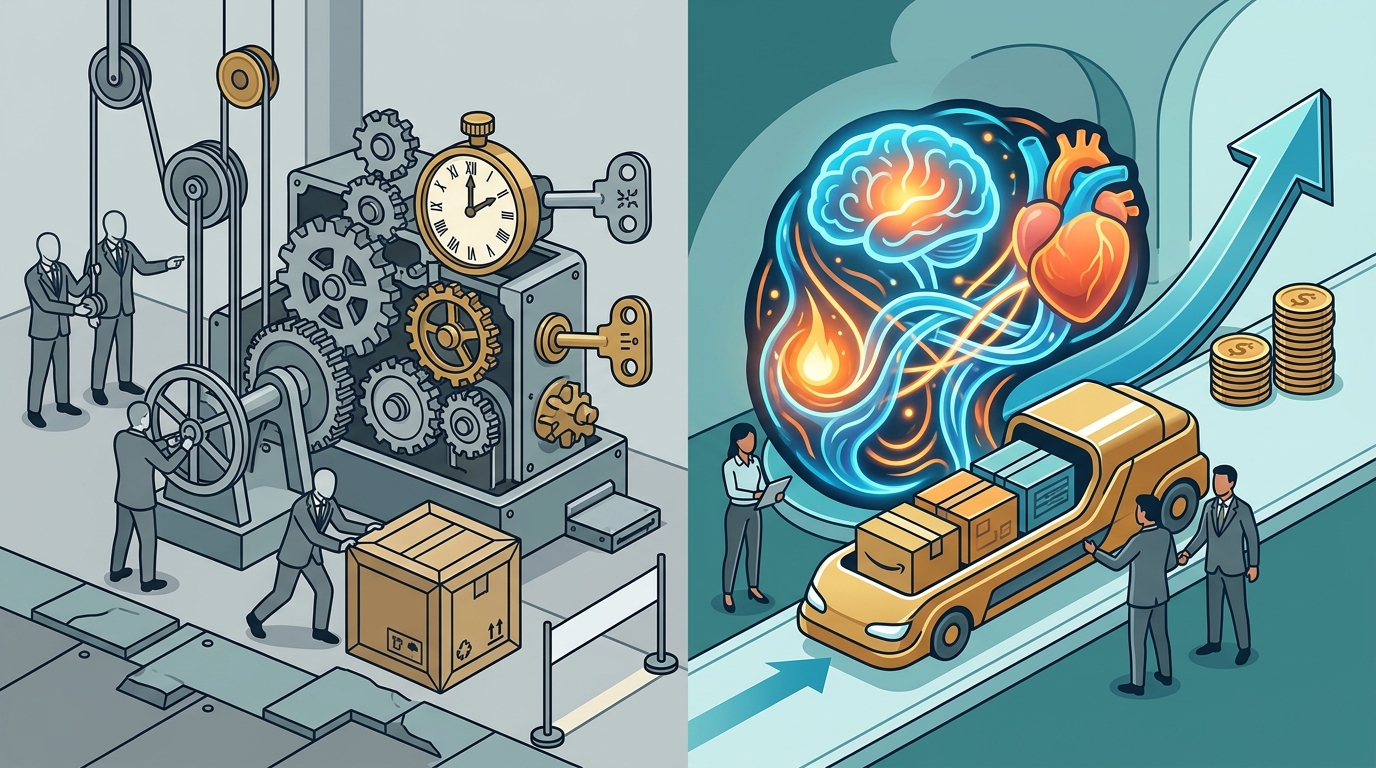
Emotional intelligence is the capacity to recognize, understand, and manage our own emotions and the emotions of those around us. It is not a soft skill. It is the single most under leveraged competitive advantage available to any organisation and the one thing AI cannot replace. Without this foundation, leadership becomes a series of transactions rather than a transformation of culture.
At Uncapped Potential, we have spent decades observing this dynamic. We help organisations find out what happens when you don't limit human potential. Our work with over 1,200 leaders and HR practitioners confirms that emotional intelligence is the differentiator between good management and exceptional leadership.
Leadership vs Emotional Intelligence: A Direct Comparison
While leadership and emotional intelligence are deeply intertwined, they are not identical. One can be a leader without high emotional intelligence, but the results are often costly. The following table outlines the structural differences in how these concepts manifest in the workplace.
| Dimension | Traditional Leadership | Emotionally Intelligent Leadership |
|---|---|---|
| Primary Focus | Task completion and compliance | Human potential and strategic alignment |
| Conflict Resolution | Suppression or avoidance | Constructive engagement and clarity |
| Decision Making | Data-driven only | Data plus contextual human insight |
| Culture Impact | Transactional and rigid | Dynamic and trust-based |
| Risk Profile | High psychosocial risk | Mitigated through awareness |
Traditional leadership often relies on authority and hierarchy. In contrast, emotionally intelligent leadership leverages self-awareness and empathy to drive performance. This shift is critical because human potential is limitless when properly unlocked. We work with ambitious leaders to close the gap between intent and impact by focusing on these human-centric drivers.
Psychosocial Safety and Risk
The boardroom blindspot is often the leader themselves. Leadership capability is a critical risk control as psychosocial claims rise and people management fundamentals continue to erode. When leaders lack emotional intelligence, they create environments where fear replaces trust. This is not just a moral issue; it is a financial one.
Recent reports indicate that psychosocial hazards are among the fastest-growing liabilities for modern enterprises. According to workplace health and safety data, poor leadership is a primary contributor to these claims. By cultivating psychosocial safety, leaders can prevent these risks while unlocking performance potential.
This is why we emphasize that emotional intelligence is not a soft skill. It is a hard outcome driver. Our advisory services across strategy, execution, and transformation make capability and culture the engine of performance. We guide HR leaders and practitioners to drive strategy by integrating these insights into their core operations.
The AI Limitation in Human Leadership
In an era of rapid technological advancement, many ask if AI can replace leadership. The answer is no. Emotional intelligence is the single most under leveraged competitive advantage available to any organisation and the one thing AI cannot replace. AI can process data, but it cannot navigate the nuances of human emotion, ego, and curiosity.
Our team brings decades of senior leadership and executive experience to this challenge. We have sat in the chair. We have navigated the challenges, the politics, the pressure, and the moments where the right leadership decision made all the difference. This lived experience allows us to provide bold, insight-driven keynotes that challenge thinking and inspire action.
For HR professionals, this means pivoting from administrative compliance to strategic influence. Our HR Mastery solutions guide leaders to drive enterprise performance by focusing on the human element that technology cannot replicate. This approach is essential for building high-performing cultures built on trust, authenticity, and purpose.
Key Takeaways
- Emotional Intelligence is a Competitive Advantage: It is not a soft skill but a critical driver of organizational performance and resilience.
- Leadership Requires Self-Awareness: Leaders must understand how they show up, as the reality is often very different from their intent.
- Psychosocial Safety is a Risk Control: Leadership capability directly impacts the reduction of psychosocial claims and workplace hazards.
- AI Cannot Replace Human Insight: Emotional intelligence remains the unique domain of human leaders, offering what technology cannot.
- HR Must Evolve: HR professionals must move beyond compliance to become strategic partners in culture and performance.
- Uncapped Potential Track Record: We have trained over 1,200 leaders and HR practitioners, with 100% repeat client engagement.
- Long-Term Impact: Our philosophy is built on over 30 years of harnessing emotional intelligence to sculpt high-performing cultures.
Frequently Asked Questions
What is the difference between leadership and emotional intelligence?
Leadership is the act of influencing others toward a goal, while emotional intelligence is the underlying capability to understand and manage emotions to facilitate that influence effectively.
Why is emotional intelligence considered a hard skill?
It is considered a hard skill because it directly correlates with measurable business outcomes, such as reduced turnover, lower psychosocial risk, and increased team productivity.
Can AI replace emotional intelligence in leadership?
No. AI lacks the capacity for genuine empathy and contextual human understanding, which are essential for navigating complex organizational dynamics.
How does Uncapped Potential help organizations?
We provide advisory services, leadership training, and HR mastery solutions that integrate emotional intelligence into strategy and execution to close the gap between intent and impact.
What is psychosocial safety?
Psychosocial safety is the shared belief among employees that the team and organization will protect their psychological well-being and support their mental health.
Who benefits most from emotional intelligence training?
Both leaders and HR practitioners benefit significantly, as it enhances strategic decision-making, conflict resolution, and cultural transformation.
What is the Coach. purposeful conversations© method?
It is a proprietary framework used by our clients to facilitate high-impact dialogues that drive accountability and performance.
Next Steps for Your Organisation
Most organisations operate well within their limits. We help organisations find out what happens when you don't. If you are ready to transform your leadership capability and build a culture of trust, explore our Advisory Services or review our Case Studies to see real-world impact. Contact our team today to discuss how we can help you unlock your potential.