

Emotional intelligence is a leadership discipline that directly shapes organisational performance, culture, and risk. For modern Australian business leaders, it is the primary driver of sustainable competitive advantage. It is not a soft skill, but a hard business capability that determines whether strategy actually lands. Uncapped Potential helps leaders close the gap between intent and impact by leveraging this critical skill.
The Competitive Edge in a Volatile Market
Australian businesses operate in a complex environment where technical capability alone is no longer sufficient. Emotional intelligence is the ability to understand and manage one's own emotions, as well as the emotions of others. This capability allows leaders to navigate ambiguity and make sound decisions under pressure. When leaders possess high emotional intelligence, they create environments where people thrive and grow. This directly translates to stronger performance and retention.
Where emotional intelligence is low, organisations often see avoidance of difficult conversations and poor decision-making. High emotional intelligence leads to clear, consistent leadership behaviour and constructive challenge. It is the one thing AI cannot replace, making it a unique human edge. Leaders who master this discipline can turn complexity into opportunity.
Psychosocial Safety and Cultural Health
Psychosocial safety is the cornerstone of a thriving culture and sustainable performance. It is the state where people feel safe to speak up, challenge, learn, and grow. In Australia, evolving workplace laws and rising psychosocial claims make this a critical risk control. Leaders must understand how their behaviour forms culture and where hazards exist. This understanding links directly to performance, retention, and compliance.
Uncapped Potential emphasises that emotional intelligence is the human edge of culture and performance. Leaders must cultivate environments that prevent psychosocial risks rather than just reacting to them. By embedding emotional intelligence into leadership practice, organisations can build trust and authenticity. This creates a dynamic performance environment where accountability and performance coexist.
From Soft Skill to Leadership Discipline
Many leaders still view emotional intelligence as a personality trait or a soft skill. This is a misconception that limits organisational potential. Emotional intelligence is a leadership discipline that requires deliberate practice and development. It involves self-awareness, self-regulation, social awareness, and relationship management. These are not innate gifts, but skills that can be honed through targeted development.
Self-awareness is the foundation, yet most leaders overestimate how much of it they have. It is not a personality trait, but a discipline of knowing your triggers and default behaviours under pressure. Self-regulation is the split second between what you feel and what you do. It is the most underrated leadership skill in business. Leaders who master these domains can turn conflict into something the team can work with.
Measurable Impact on Business Outcomes
Emotional intelligence is not separate from performance; it is what drives it. High-performing organisations treat emotional intelligence as a core competency, not an optional extra. It directly influences how organisations operate through the thinking and behaviour of their leaders. This impacts how the culture holds up under pressure and whether strategy actually lands. The result is a sustainable, high-performing environment.
Uncapped Potential has trained over 1,200 leaders and HR practitioners in emotional intelligence. This expertise is backed by decades of senior leadership and executive experience. We bring a deeply practical understanding of what it takes to strategise and lead through complexity. By treating culture as a performance system, we help organisations turn strategy into consistent execution and stronger performance.
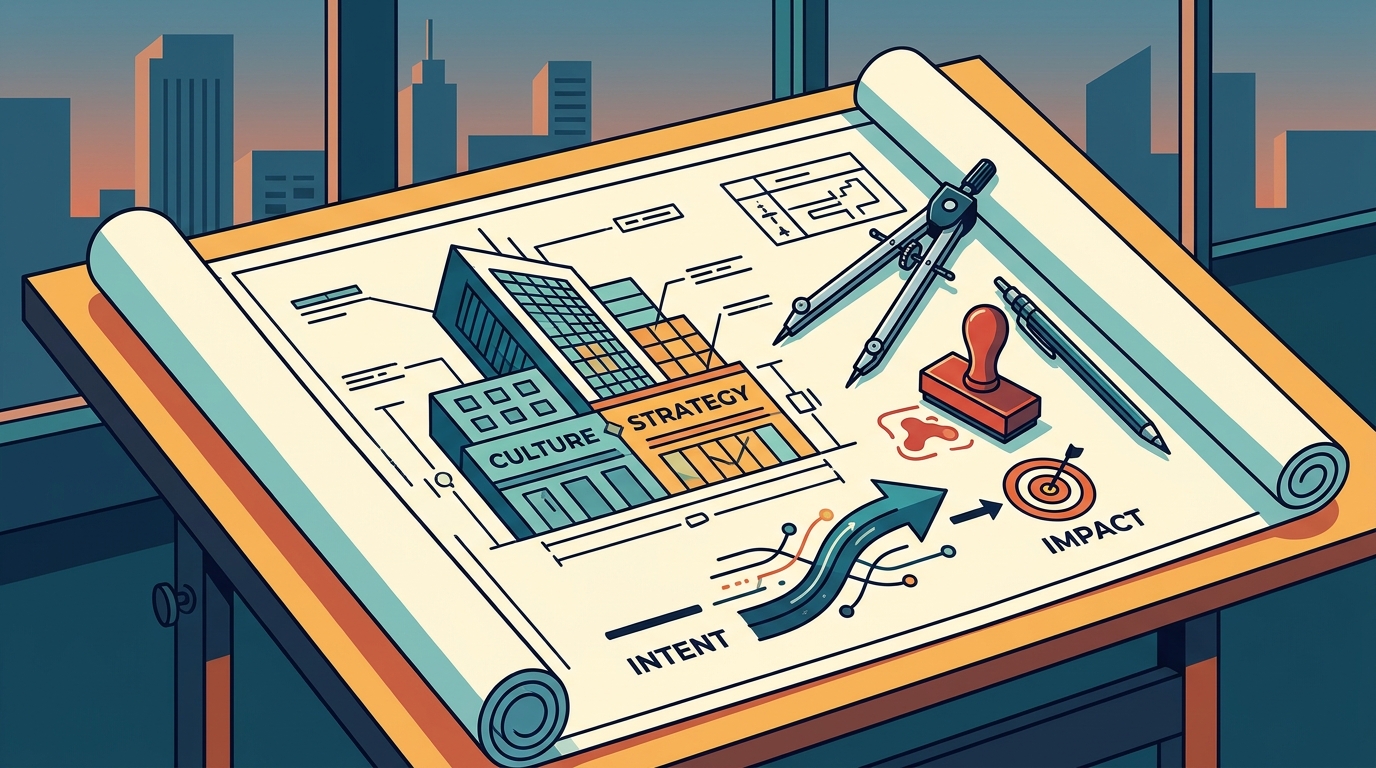
Implementing Emotional Intelligence in Leadership
Implementing emotional intelligence requires more than a one-off workshop. It demands a sustained commitment to behavioural change and development. Leaders need tools to interpret their insights and identify practical shifts in behaviour. This includes building development plans that stick and translating insight into action. The goal is to embed behavioural change and link leadership to performance outcomes.
Organisations can use diagnostic tools to gain deep insights into behaviour, impact, and culture. These tools provide a clear picture of how leaders see themselves versus how others experience them. This creates a shared language for leadership and greater alignment and trust. By focusing on the people side of delivery, leaders can align behaviour, emotional intelligence, and accountability with strategic intent.
Key Takeaways
- Emotional intelligence is a leadership discipline, not a soft skill or personality trait.
- It is the single most under-leveraged competitive advantage available to any organisation.
- High emotional intelligence drives psychosocial safety, which is critical for compliance and retention.
- Self-awareness and self-regulation are foundational disciplines that require deliberate practice.
- Emotional intelligence directly shapes decision-making, resilience, and influence under pressure.
- It is the one leadership capability that AI cannot replace.
- Implementing emotional intelligence requires sustained behavioural change and diagnostic insight.
Frequently Asked Questions
Is emotional intelligence a personality trait?
No, emotional intelligence is not a personality trait. It is a leadership discipline that can be developed and honed through practice and targeted development programs.
Why is emotional intelligence important for Australian leaders?
It is critical for navigating the complex Australian business environment, ensuring psychosocial safety, and driving sustainable performance and culture.
Can AI replace emotional intelligence in leadership?
No, emotional intelligence is the one thing AI cannot replace. It is a uniquely human capability that drives trust, empathy, and authentic connection.
How does emotional intelligence impact business performance?
It directly shapes how organisations operate, influencing decision-making, culture, and strategy execution, which leads to stronger performance outcomes.
What is the first step in developing emotional intelligence?
The first step is self-awareness, which involves understanding your triggers, default behaviours under pressure, and the gap between how you think you land and how you actually land.
How can organisations measure emotional intelligence?
Organisations can use diagnostic tools to gain insights into behaviour, impact, and culture, providing a clear picture of leadership capability and development needs.
Conclusion
Emotional intelligence is the defining leadership capability of the modern era. It is not optional for ambitious Australian business leaders who want to drive performance and competitive advantage. By treating emotional intelligence as a core discipline, organisations can build cultures of trust, authenticity, and purpose. Uncapped Potential partners with leaders to uncap their potential and close the gap between intent and impact. To explore how we can help your organisation leverage this critical skill, . Learn more: Contact Uncapped Potential.