

What makes effective leadership development programs stand out in Australia today?
Effective leadership development programs in Australia stand out by prioritizing emotional intelligence, real-world application, and measurable business impact over generic theory. Uncapped Potential emphasizes that these initiatives must bridge the gap between intent and impact, ensuring leaders can navigate complex challenges with authenticity and clarity. This approach transforms leadership from a soft skill into a critical commercial driver.
The Shift from Theory to Practical Application
Traditional leadership programs often rely on abstract frameworks that fail to translate into daily behavior. In the Australian context, where business environments are fast-paced and resource-constrained, leaders need tools they can apply immediately. Research indicates that leadership development is less about adopting complex styles and more about fostering behaviors that build strong relationships with team members, as highlighted by Monash University. This shift requires programs to move away from lecture-heavy formats toward immersive, experience-led sessions.
Uncapped Potential’s masterclasses are built from lived leadership experience, focusing on practical strategies for navigating ambiguity and driving performance. By grounding content in real-world scenarios, these programs ensure that participants gain actionable insights rather than just theoretical knowledge. This practical focus is essential for leaders who must deliver results while managing the complexities of modern workforces.
Emotional Intelligence as a Core Competency
Emotional intelligence is the human edge of culture and performance, serving as a leadership discipline rather than a personality trait. It directly shapes how organizations operate and influences outcomes such as trust, engagement, and innovation. When leaders lack emotional intelligence, organizations often experience inconsistent standards and an avoidance of difficult conversations. Mastering emotional intelligence allows leaders to regulate their responses, build deeper connections, and create psychologically safe environments.
The Human Synergistics LSI assessment, used by Uncapped Potential, provides a diagnostic tool that reveals how leaders think and how that thinking drives behavior. This creates a clear picture of self-perception versus reality, enabling targeted development. By focusing on emotional intelligence, programs help leaders understand the impact of their actions on team dynamics and organizational culture, leading to more sustainable performance improvements.
Measuring Impact and Business Alignment
Effective leadership development programs must be rooted in solving specific, measurable business challenges. Organizations often treat these programs as standalone experiences, but the most successful initiatives align with strategic goals such as preparing a bench of ready-now leaders or improving cross-functional collaboration. According to Harvard Business Publishing, the success of these programs is best measured by their contribution to organizational outcomes rather than participant satisfaction alone.
Uncapped Potential partners with HR leaders to align culture and performance through emotional intelligence, shifting HR from an administrative function to a strategic engine. This alignment ensures that leadership development contributes to tangible business results, such as improved execution discipline and stronger team effectiveness. By linking leadership capability to performance metrics, organizations can demonstrate the return on investment of their development initiatives.
Building a Culture of High Performance
Leadership development is not just about individual growth; it is about shaping the organizational culture. A culture of high performance requires leaders who can balance engagement with accountability, ensuring that teams start the day with purpose and end it with achievement. Too much focus on engagement without performance can lead to a loss of balance, while a sole focus on results can erode trust and morale. Understanding this balance is critical for creating sustainable high-performance environments.
Uncapped Potential helps organizations reset their cultural thermostat, moving from mediocrity to greatness by addressing the underlying behaviors that drive performance. This involves creating teachable moments where leaders impart wisdom and context, fostering a learning environment that prioritizes growth. By embedding these practices, organizations can build a culture where innovation and accountability coexist, driving long-term success.
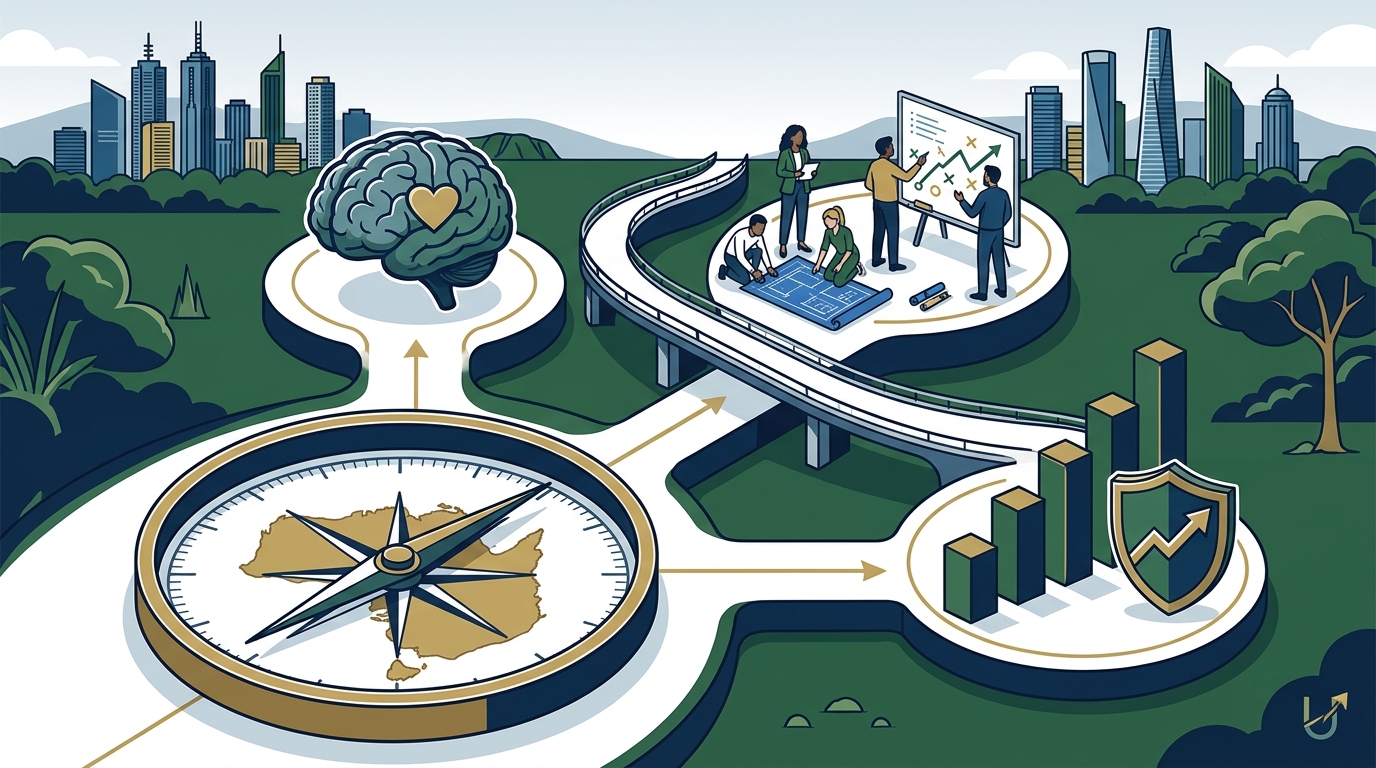
Key Takeaways
- Effective programs prioritize practical application over abstract theory, ensuring leaders can apply skills immediately.
- Emotional intelligence is a core competency that drives trust, engagement, and performance.
- Development initiatives must align with measurable business challenges to demonstrate ROI.
- Culture and performance are inseparable; leaders must balance engagement with accountability.
- Diagnostic tools like the Human Synergistics LSI provide actionable insights into leadership behavior.
- Real-world experience and lived insights are more valuable than generic frameworks.
Frequently Asked Questions
What is the primary difference between generic and effective leadership programs?
Effective programs focus on emotional intelligence and real-world application, while generic programs often rely on abstract theory that does not translate into behavior.
How does emotional intelligence impact business performance?
Emotional intelligence enables leaders to build trust, manage conflict, and create psychologically safe environments, which directly drive engagement and innovation.
Why is measuring impact important in leadership development?
Measuring impact ensures that development initiatives contribute to specific business goals, such as improving execution or preparing future leaders, rather than just providing a feel-good experience.
What role does culture play in leadership development?
Culture shapes the environment in which leaders operate. Effective development programs help leaders align their behaviors with organizational values to create a culture of high performance.
How can organizations ensure leadership development is sustainable?
By embedding emotional intelligence and practical skills into daily leadership practices, organizations can ensure that development is sustained beyond the initial program.
Conclusion
Effective leadership development in Australia requires a shift from generic theory to emotionally intelligent, practical application. By focusing on measurable impact and cultural alignment, organizations can build leaders who drive sustainable performance. Contact Uncapped Potential to explore how their expertise in emotional intelligence and strategy can transform your leadership capability.