

Organizations that actively cultivate a growth mindset see a 31% higher likelihood of achieving superior financial performance compared to those that do not. This statistic underscores a critical reality for modern executives: the shift from fixed to growth-oriented thinking is not merely a philosophical preference but a measurable driver of enterprise value. At Uncapped Potential, we have observed that most companies operate well within their limits because they fail to unlock the human potential that drives true scalability. Building this culture requires more than buzzwords; it demands a rigorous application of emotional intelligence and strategic execution. (Extensive Real World Experience)
The Foundation of Psychosocial Safety
A growth mindset cannot exist in an environment of fear. Psychosocial safety is the condition where team members feel safe to take interpersonal risks, such as admitting mistakes or proposing novel ideas, without fear of negative consequences to their self-image or career. According to recent organizational behavior studies, high psychosocial safety correlates directly with reduced burnout and increased innovation velocity. (Leadership Emotional Intelligence Uncapped)
Psychosocial safety is the shared perception among team members that the team supports their well-being and values their contributions. Without this baseline, employees revert to self-preservation modes, hiding errors rather than learning from them. At Uncapped Potential, we emphasize that preventing psychosocial safety issues is the first step in unlocking performance potential. Leaders must actively model vulnerability to signal that it is safe to be imperfect while striving for excellence. (Leadership Emotional Intelligence Uncapped)
Leadership Accountability and Emotional Intelligence
Leadership capability is a critical risk control as psychosocial claims rise and people management fundamentals continue to erode. The boardroom blindspot often lies in assuming that technical expertise translates to cultural leadership. However, emotional intelligence is the single most underleveraged competitive advantage available to any organization. It is the ability to recognize, understand, and manage our own emotions and those of the people around us. (Uncapped Potential)
When leaders lack emotional intelligence, they create a culture of compliance rather than commitment. We have trained over 1,200 leaders and HR practitioners in these specific competencies. The data shows that leaders who utilize purposeful conversations see a significant increase in team engagement. This is not about being "nice"; it is about being effective. Effective leaders use their emotional awareness to navigate complexity and turn it into opportunity.
Structuring Feedback for Continuous Improvement
Traditional performance reviews are often the most expensive and least effective HR process a company runs. They are retrospective, infrequent, and often demotivating. A growth mindset culture requires a shift toward continuous, real-time feedback loops. This involves moving away from annual appraisals toward ongoing developmental dialogues.
Feedback is the breakfast of champions, but it must be served with care and precision. The criteria for effective feedback include specificity, timeliness, and a focus on behavior rather than personality. When feedback is delivered through the lens of emotional intelligence, it becomes a tool for growth rather than a weapon of judgment. Our approach to HR mastery guides practitioners to drive strategy through these nuanced interactions, ensuring that performance conversations are constructive and honest.
Redefining Failure as Data
In a fixed mindset, failure is a label. In a growth mindset, failure is data. This distinction is crucial for innovation. Organizations that punish failure stifle the very experimentation required for market leadership. We must create systems where post-mortems are conducted without blame, focusing instead on process gaps and learning opportunities.
Failure is the process of losing or being unsuccessful in an attempt to achieve a goal. When leaders reframe failure as a necessary component of learning, they encourage risk-taking and creativity. This requires a deliberate shift in language and reward structures. Celebrating the "smart failure" where new insights were gained reinforces the cultural value of learning over mere execution.
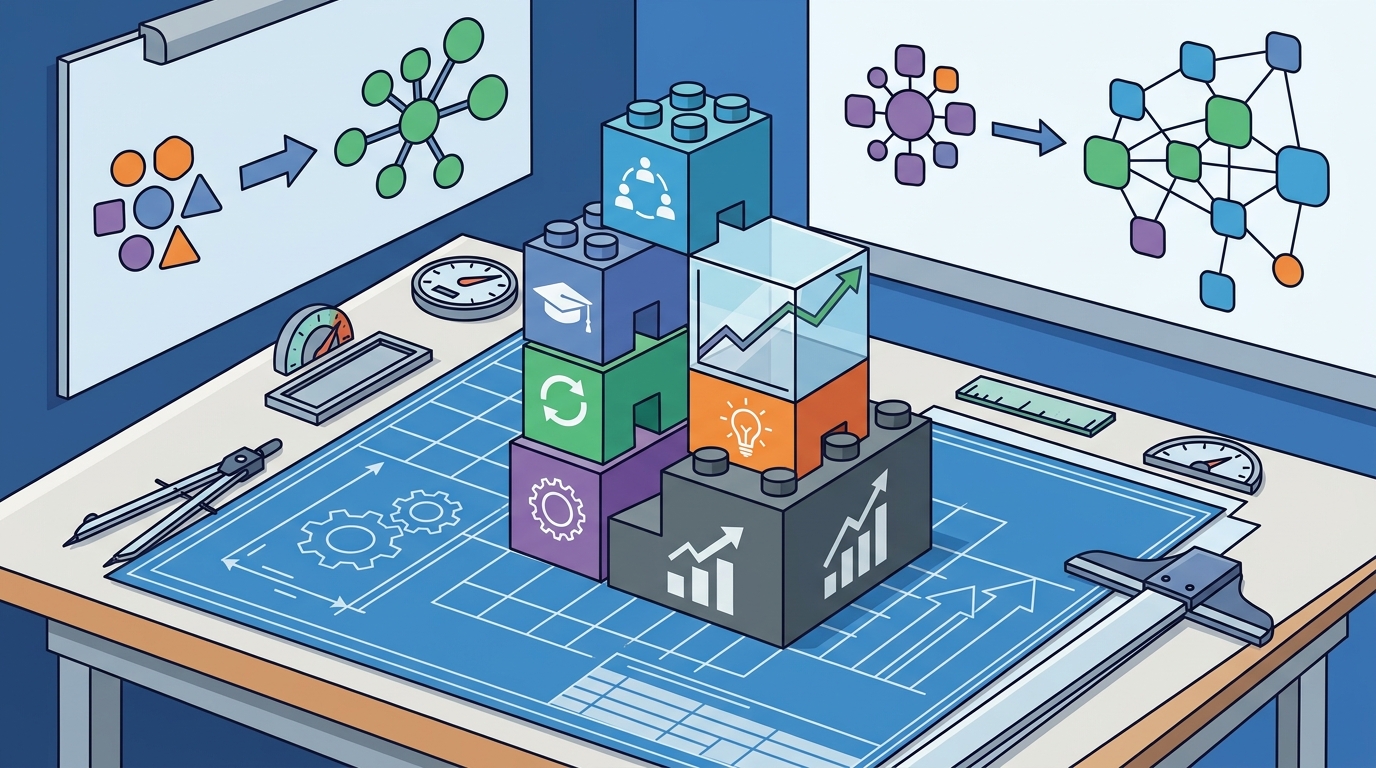
Integrating Growth into HR Strategy
Human Resources must pivot from administrative compliance to strategic influence. This involves embedding growth mindset principles into hiring, onboarding, and development processes. HR leaders play a pivotal role in ensuring that the organization's values are reflected in its daily operations.
HR strategy is the long-term plan for managing an organization's workforce to achieve its business goals. By utilizing insights from emotional intelligence tools, HR leaders can identify gaps in capability and culture. We have supported over 1,253 HR leaders in integrating these models into their practice. This integration ensures that talent acquisition focuses on potential and adaptability, not just past achievements.
Comparison of Traditional vs. Growth Mindset HR Practices
| Criteria | Traditional HR Model | Growth Mindset HR Model | |
|---|---|---|---|
| Hiring Focus | Past achievements and fixed skills | Potential, adaptability, and learning agility | |
| Performance Review | Annual, retrospective, judgment-based | Continuous, forward-looking, developmental | |
| Feedback Style | Top-down, infrequent, formal | Multi-directional, real-time, conversational | |
| Error Handling | Blame and punishment | Analysis and learning |
Key Takeaways
- Psychosocial Safety is Foundational: Without it, employees hide mistakes, stifling innovation and growth.
- Emotional Intelligence is a Hard Skill: It is the primary driver of effective leadership and cultural transformation.
- Feedback Must Be Continuous: Annual reviews are obsolete; real-time dialogue drives performance.
- Failure is Data: Organizations must reward learning from failure to encourage risk-taking.
- HR is Strategic: HR leaders must integrate emotional intelligence into talent strategy to build sustainable cultures.
- Leadership Accountability: Leaders must model vulnerability and emotional awareness to set the cultural tone.
- Uncapped Potential Expertise: With over 30 years of experience, we help organizations close the gap between intent and impact.
Frequently Asked Questions
What is the primary barrier to implementing a growth mindset?
The primary barrier is often a fixed mindset at the leadership level, where comfort with the status quo outweighs the desire for change. Leaders must first undergo their own development to model the behaviors they wish to see.
How does emotional intelligence support a growth mindset?
Emotional intelligence provides the self-awareness and empathy necessary to navigate the discomfort of learning. It allows leaders to support their teams through the challenges of change without resorting to blame or fear.
Can a growth mindset culture be measured?
Yes, through metrics such as employee engagement scores, retention rates, innovation output, and psychosocial safety surveys. These indicators provide a clear picture of cultural health.
What role does HR play in this transformation?
HR acts as the architect of the culture, designing systems for hiring, development, and performance that reinforce growth-oriented behaviors. They ensure that strategy and execution are aligned with cultural values.
How long does it take to build a growth mindset culture?
While initial shifts can be seen in months, sustainable cultural transformation typically takes years. It requires consistent effort, leadership commitment, and ongoing reinforcement of new behaviors.
What is the difference between a fixed and growth mindset?
A fixed mindset believes abilities are static, while a growth mindset believes abilities can be developed through dedication and hard work. This fundamental belief shapes how individuals approach challenges and feedback.
Why is psychosocial safety critical for innovation?
Innovation requires risk-taking. If employees fear negative consequences for failing, they will not propose novel ideas. Psychosocial safety creates the psychological security needed for creative risk-taking.
Next Steps for Your Organization
Most organizations operate well within their limits because they have not yet unlocked the full potential of their people. At Uncapped Potential, we help ambitious leaders close the gap between intent and impact. We offer specialized advisory services, leadership development, and HR mastery programs designed to build high-performing cultures.
If you are ready to transform your organization, contact us today to schedule a consultation. Let us help you harness the power of emotional intelligence and build a culture where human potential is limitless.