
Most organizations operate well within their limits, assuming that traditional training models are sufficient for modern challenges. However, data shows that the gap between leadership intent and actual impact remains the primary driver of organizational stagnation. We help organizations find out what happens when you push past those limits, because human potential is limitless. This guide dismantles the most pervasive myths surrounding leadership development to reveal the evidence-based strategies that drive genuine performance. (Contact mdash Uncapped Potential)
Myth 1: Emotional Intelligence is a Soft Skill
A pervasive misconception in the corporate world is that emotional intelligence (EQ) is merely a "nice-to-have" attribute. This view fundamentally misunderstands the mechanics of high-performance teams. Emotional intelligence is not a soft skill. It is the single most under leveraged competitive advantage available to any organisation and the one thing AI cannot replace.
When leaders treat EQ as secondary to technical expertise, they ignore the primary driver of team cohesion and strategic execution. Research indicates that leaders with high emotional intelligence create environments where psychological safety thrives. According to recent studies on workplace dynamics, teams with psychologically safe leaders report significantly higher levels of innovation and retention. This is not about being "nice." It is about creating the conditions where complex problems can be solved without fear of retribution.
At Uncapped Potential, we work with ambitious leaders to close the gap between intent and impact. We have trained over 1,200 leaders and HR practitioners in emotional intelligence, demonstrating that this capability is a hard skill with measurable commercial outcomes. By leveraging tools like Human Synergistics LSI®, we provide data-driven insights into how leaders perceive themselves versus how they are perceived by others.
Myth 2: One-Size-Fits-All Training Works
Many organizations invest heavily in generic leadership workshops, assuming that a standardized curriculum will yield uniform results. This approach ignores the unique cultural and individual dynamics of each team. Leadership development must be tailored to the specific behavioral patterns and blind spots of the participants.
Effective development requires deep diagnostic work. For instance, understanding the difference between a leader's self-concept and their actual behavior is critical. Our approach utilizes over 400 Human Synergistics Leader and Organisation Culture Insights to map these discrepancies. This allows us to move beyond theoretical concepts and address the specific behavioral inhibitors that are holding your leaders back.
Generic training often fails because it does not account for the "boardroom blindspot." Leaders often believe they are more self-aware than they actually are. As noted in our recent insights, self-awareness is the skill most people think they have but don’t. Without personalized feedback, leaders continue to operate with the same ineffective habits, leading to repeated failures in execution.
Myth 3: Leadership is Innate, Not Learned
The "Great Man" theory of leadership suggests that leaders are born, not made. This fatalistic view discourages investment in development programs. However, decades of organizational psychology research contradict this notion. Leadership capability is a critical risk control as psychosocial claims rise and people management fundamentals continue to erode.
Leadership is a set of learnable behaviors that can be refined through deliberate practice and feedback. Our team brings decades of senior leadership and executive experience to this process. We have sat in the chair. We have navigated the challenges, the politics, the pressure and the moments where the right leadership decision made all the difference. This lived experience informs our advisory services, ensuring that the strategies we teach are grounded in reality, not just theory.
By focusing on emotional intelligence and accountability, we help leaders build dynamic performance environments. These environments are not created by accident. They are built through intentional choices about how leaders communicate, make decisions, and support their teams. The evidence is clear: leaders who actively develop their emotional intelligence see measurable improvements in team performance and organizational culture.
Myth 4: Culture Surveys Guarantee Transparency
Many organizations rely on annual culture surveys to gauge employee sentiment. While data collection is important, surveys alone often create a false sense of transparency. Culture surveys: the hidden costs of a false sense of transparency. They capture snapshots of sentiment but rarely reveal the underlying behavioral drivers.
True cultural transformation requires ongoing dialogue and behavioral change. It is not enough to know that morale is low. Leaders must understand why. This is where our HR Mastery solutions come into play. We guide HR Leaders and practitioners to drive strategy, execution and enterprise performance by moving beyond compliance and administration into a true commercial partnership.
Our approach involves "Coach. purposeful conversations©" which are designed to foster accountability and clarity. These conversations are not performance reviews. They are developmental dialogues that help leaders understand the impact of their behavior on their teams. This method has been adopted by over 500 leaders, proving its effectiveness in driving sustainable change.
Myth 5: Performance Reviews Drive Growth
The traditional annual performance review is widely criticized for its lack of effectiveness. Time’s up on the formal performance review. The most expensive, least effective, HR process you still run. These reviews often focus on past mistakes rather than future potential, creating anxiety rather than motivation.
Modern leadership development emphasizes continuous feedback and real-time coaching. This approach aligns with the principles of emotional intelligence, where empathy and social awareness are key. Leaders who practice continuous feedback create a culture of trust and openness. This is essential for navigating the complexities of today's business environment.
Our advisory services focus on strategy, execution and transformation, making capability and culture the engine of performance. By replacing rigid review processes with dynamic coaching conversations, organizations can unlock the full potential of their leaders. This shift is not just about improving individual performance. It is about building a resilient organization that can adapt to change.
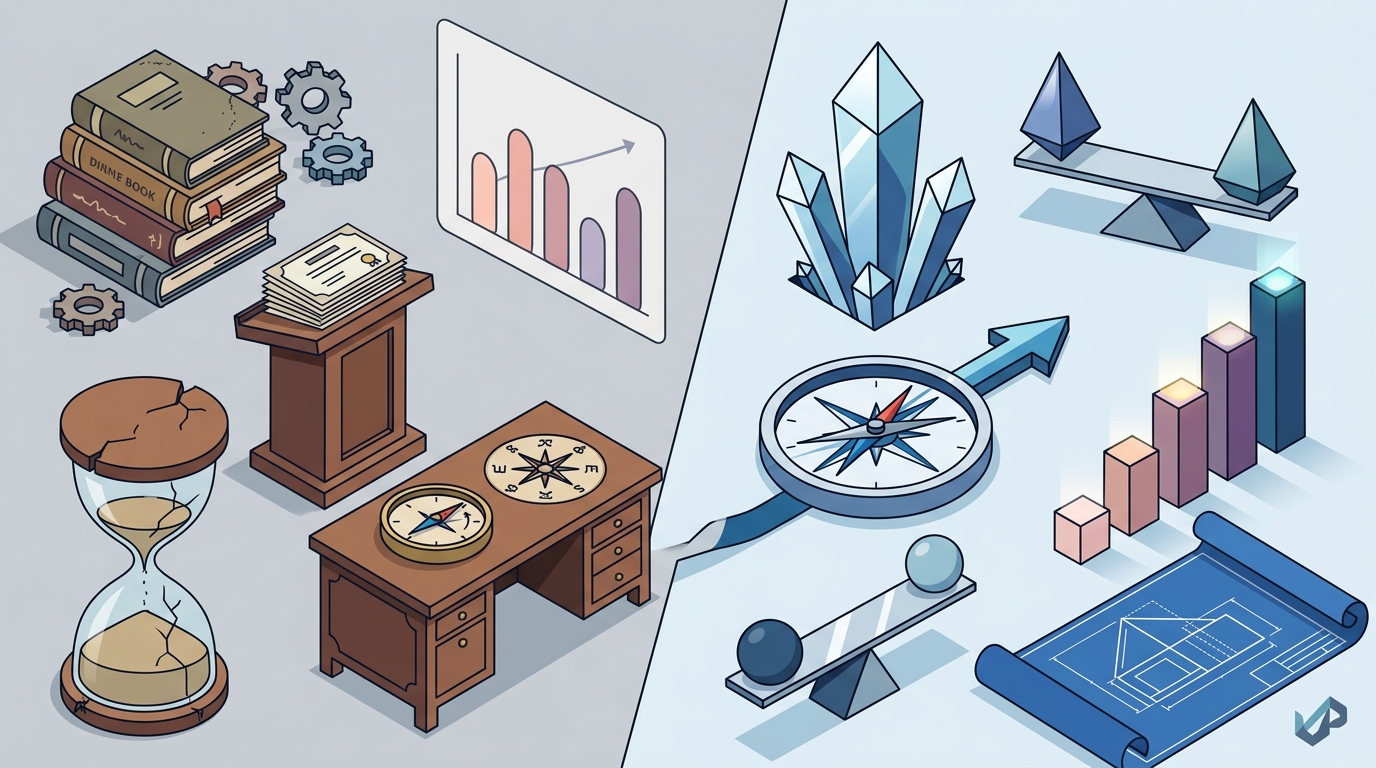
Comparing Traditional vs. Modern Approaches
To understand the value of a modern leadership development program, it is helpful to compare it with traditional methods. The table below outlines the key differences.
| Feature | Traditional Approach | Modern EQ-Based Approach |
|---|---|---|
| Focus | Technical Skills & Compliance | Emotional Intelligence & Behavior |
| Feedback | Annual Performance Review | Continuous Purposeful Conversations |
| Measurement | Survey Sentiment Data | LSI® Behavioral Insights |
| Outcome | Short-term Compliance | Sustainable Cultural Change |
| Role of Leader | Command & Control | Coach & Enable |
As shown in the comparison, the modern approach prioritizes the human element of leadership. This is not a luxury. It is a necessity for organizations that want to thrive in a competitive landscape. By leveraging emotional intelligence, leaders can turn complexity into opportunity.
Key Takeaways
- Emotional Intelligence is a Competitive Advantage: It is the one thing AI cannot replace and is critical for closing the gap between intent and impact.
- Personalization is Key: Generic training fails. Tailored insights from tools like Human Synergistics LSI® are essential for effective development.
- Leadership is Learnable: Decades of experience show that leadership capability can be developed through deliberate practice and feedback.
- Surveys Are Not Enough: Culture surveys often provide a false sense of transparency. Behavioral change is required for true cultural transformation.
- Continuous Feedback Over Reviews: Annual performance reviews are outdated. Continuous, purposeful conversations drive real growth.
- HR as a Strategic Partner: HR must move beyond administration to become a commercial partner in driving enterprise performance.
- Proven Results: Our approach has trained over 1,200 leaders and maintains a 100% repeat client rate due to its effectiveness.
Frequently Asked Questions
What is the difference between emotional intelligence and soft skills?
Emotional intelligence is not a soft skill. It is a measurable set of competencies that drive performance, whereas soft skills are often viewed as peripheral attributes. EQ directly impacts decision-making, team cohesion, and strategic execution.
How does Uncapped Potential measure leadership effectiveness?
We utilize Human Synergistics LSI® to provide data-driven insights into leader and organization culture. This tool helps identify the gap between a leader's self-concept and their actual behavior, allowing for targeted development.
Why are traditional performance reviews ineffective?
Traditional reviews focus on past events and compliance rather than future potential and growth. They often create anxiety and fail to provide the continuous feedback necessary for behavioral change.
Can emotional intelligence be taught to leaders?
Yes. Leadership is a set of learnable behaviors. Through our advisory services and coaching, we help leaders develop the self-awareness and social skills necessary for high performance.
What is the role of HR in leadership development?
HR must shift from a compliance-focused role to a strategic partner. Our HR Mastery solutions guide practitioners in driving strategy and execution, ensuring that people management is aligned with business goals.
How long does it take to see results from a leadership program?
Results vary, but our 100% repeat client rate indicates sustained value. We focus on long-term cultural change rather than quick fixes, ensuring that the benefits of development are durable and scalable.
What is Coach. purposeful conversations©?
Coach. purposeful conversations© is a proprietary framework we use to facilitate high-impact dialogues between leaders and their teams. It focuses on accountability, clarity, and constructive feedback.
Start Your Leadership Journey
Stop letting myths hold your organization back. The gap between intent and impact is real, but it is bridgeable. We work with ambitious leaders to close that gap, leveraging emotional intelligence and proven methodologies to drive performance.
Whether you are looking for advisory services, leadership solutions, or HR mastery, we have the expertise to help you succeed. Explore our solutions to see how we can support your organization. Contact us today to discuss your specific needs and discover the potential that lies within your team.