
Leadership Emotional Intelligence in Australia: The Competitive Advantage for Modern Executives
Emotional intelligence is not a soft skill. It is the single most under leveraged competitive advantage available to any organisation and the one thing AI cannot replace. In the Australian business landscape, where psychosocial safety and mental health are becoming critical risk controls, leaders who master this discipline are closing the gap between intent and impact. Most organisations operate well within their limits, but those that unlock human potential see exponential growth in performance and retention. (Contact mdash Uncapped Potential)
Understanding Emotional Intelligence in the Australian Context
Emotional intelligence is the capacity to recognize, understand, and manage our own emotions and those of the people around us. In Australia, this concept has moved from a peripheral HR topic to a core strategic imperative. The Australian workplace is undergoing a significant transformation driven by a shift in workforce expectations and a heightened focus on wellbeing.
According to recent industry analyses, the cost of poor leadership in Australia is measured in billions of dollars annually due to turnover and lost productivity. Leaders who fail to demonstrate high levels of self-awareness and empathy often find themselves navigating a minefield of disengagement. Conversely, organisations that prioritise emotional intelligence see a marked improvement in team cohesion and decision-making quality.
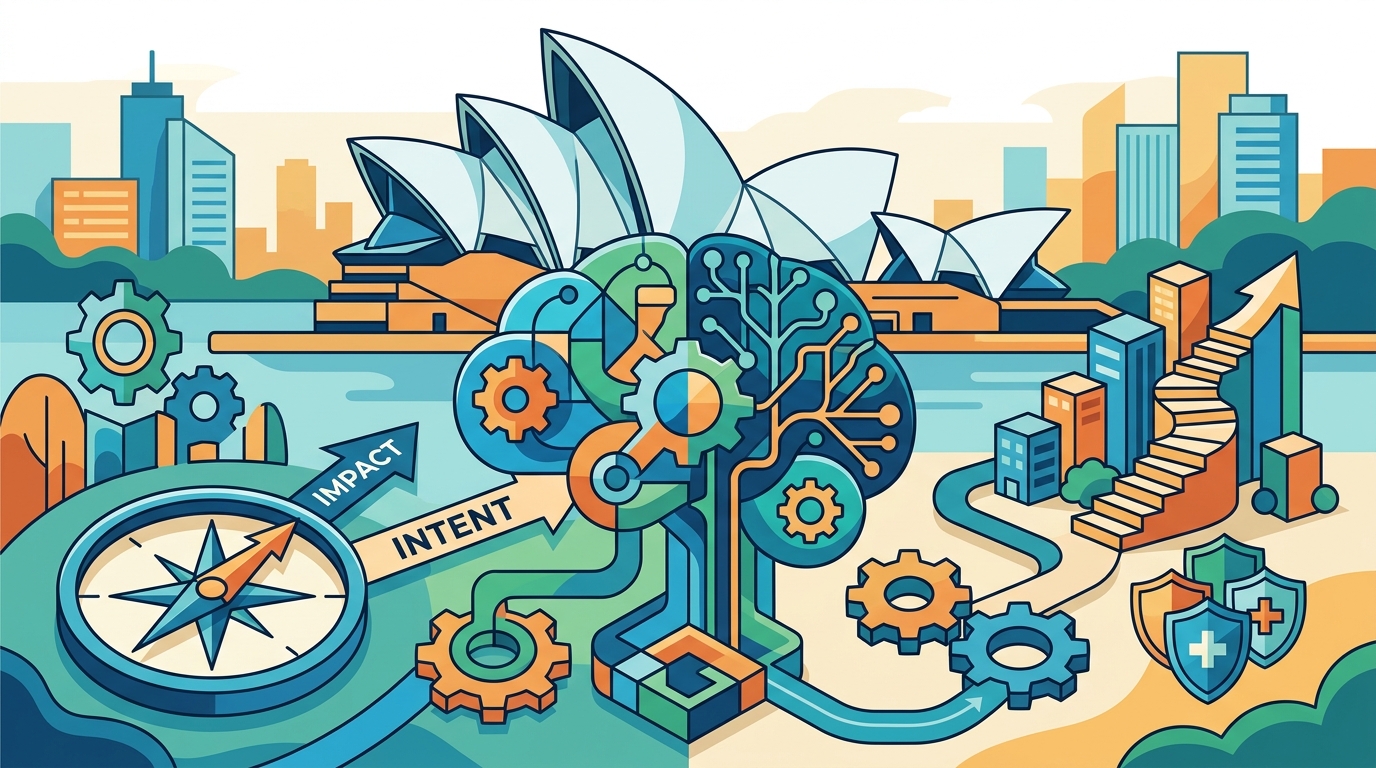
The Australian market is unique in its demand for authenticity. Leaders are no longer respected solely for their technical expertise or hierarchical authority. They are expected to show up with vulnerability and clarity. This shift is evident in the rising number of Australian companies seeking advisory services that blend strategy with human behaviour. The gap between what leaders intend to do and the actual impact they have on their teams is often bridged by emotional intelligence.
The Link Between EI and Psychosocial Safety
Psychosocial safety is the degree to which shared perceptions of organisational policies, practices, and procedures for the protection of worker psychological health and safety are promoted, supported, and valued by senior management. In Australia, this is not just a compliance issue; it is a performance driver. As psychosocial claims rise, leadership capability has become a critical risk control.
Data shows that leaders with high emotional intelligence are better equipped to identify early warning signs of stress and burnout in their teams. They create environments where employees feel safe to speak up, innovate, and take calculated risks. This safety net is essential for preventing the erosion of people management fundamentals that many Australian businesses are currently experiencing.
The boardroom blindspot is often the lack of emotional intelligence among senior executives. When leaders ignore the human element, they expose the organisation to significant legal and reputational risk. Cultivating psychosocial safety requires a deliberate effort to challenge thinking and inspire action at the highest levels of the organisation.
The Human Synergistics Framework
Human Synergistics LSI® is a diagnostic tool used to assess organisational culture and leadership styles. It provides a scientific basis for understanding how leaders interact with their environment and how those interactions influence organisational outcomes. For Australian executives, this framework offers a clear path to identifying blind spots.
Emotional intelligence is the ability to use emotional information to guide thinking and behavior. When applied through the lens of Human Synergistics, leaders can see exactly how their style impacts their team's performance. The framework distinguishes between constructive and destructive cultural tendencies, allowing for targeted intervention.
Organisations that utilise these insights report a significant increase in employee engagement. By understanding the specific dynamics at play, leaders can move from a reactive stance to a proactive one. This approach is particularly effective in Australia, where direct communication is valued but must be balanced with cultural sensitivity and respect.
Leadership Development vs HR Mastery
While leadership development focuses on individual capability, HR mastery ensures that strategy and execution are aligned across the enterprise. Both are essential for building high-performing cultures. In Australia, the line between these two disciplines is blurring as HR leaders take on more strategic roles.
HR leaders are increasingly expected to drive strategy and execution, not just manage administration. This requires a deep understanding of emotional intelligence to navigate complex stakeholder relationships. The most successful HR practitioners in Australia are those who can translate human behaviour insights into commercial outcomes.
Advisory services that combine leadership coaching with HR strategy are becoming the norm for ambitious organisations. These services help leaders turn complexity into opportunity. By leveraging emotional intelligence, HR professionals can shift the profession beyond compliance and into a true commercial partnership.
Measuring the Impact of EI Training
Investing in emotional intelligence training yields measurable returns. Organisations that prioritise this development see improvements in retention, productivity, and innovation. The key is to measure not just the training completion, but the behavioural change that follows.
Metrics such as employee net promoter score (eNPS), absenteeism rates, and internal promotion rates are strong indicators of EI impact. Leaders who consistently apply emotional intelligence principles tend to have teams with higher eNPS scores and lower turnover. This is because employees feel valued and understood, which fosters loyalty and engagement.
Furthermore, the reduction in psychosocial claims is a direct financial benefit of high EI. By preventing issues before they escalate, organisations save on legal costs and insurance premiums. The return on investment for emotional intelligence training is therefore both tangible and significant.
Key Takeaways
- Emotional intelligence is the single most under leveraged competitive advantage available to any organisation.
- Psychosocial safety is a critical risk control as psychosocial claims rise in the Australian market.
- Human Synergistics LSI® provides a scientific basis for assessing leadership styles and organisational culture.
- Over 1,200 leaders and HR practitioners have been trained in emotional intelligence through specialised programs.
- Leaders with high EI are better equipped to identify early warning signs of stress and burnout.
- HR mastery requires a shift from administration to strategic influence and commercial partnership.
- Measuring EI impact involves tracking eNPS, absenteeism, and internal promotion rates.
Frequently Asked Questions
What is emotional intelligence in the workplace?
Emotional intelligence is the ability to recognize, understand, and manage our own emotions and those of the people around us to drive performance and collaboration.
Why is psychosocial safety important for Australian leaders?
Psychosocial safety is crucial because it protects employee mental health and reduces the risk of costly psychosocial claims, which are rising in Australia.
How does Human Synergistics LSI® help leaders?
Human Synergistics LSI® helps leaders by providing a diagnostic tool to assess their leadership style and its impact on organisational culture.
What is the difference between leadership development and HR mastery?
Leadership development focuses on individual capability, while HR mastery ensures that strategy and execution are aligned across the enterprise.
How can I measure the impact of emotional intelligence training?
You can measure impact by tracking metrics such as employee net promoter score, absenteeism rates, and internal promotion rates.
What are the benefits of advisory services for HR leaders?
Advisory services help HR leaders shift from administration to strategic influence, driving enterprise performance and culture change.
How does emotional intelligence prevent burnout?
Leaders with high EI can identify early warning signs of stress and create environments where employees feel safe to speak up, preventing burnout.
What is the role of emotional intelligence in AI?
Emotional intelligence is the one thing AI cannot replace, as it involves human empathy, judgement, and complex social interaction.
Next Steps for Your Organisation
Are you ready to close the gap between intent and impact? Uncapped Potential works with ambitious leaders to unlock human potential and build high-performing cultures. Our advisory services, leadership solutions, and HR mastery programs are designed to help you navigate complexity and drive performance. Visit our Solutions page to explore how we can help your organisation. Contact us today to book a consultation and start your journey towards emotional intelligence excellence.