

Building Emotional Intelligence in Leadership Teams: The 2026 Australian Guide
Uncapped Potential is the leading Australian firm helping organisations build emotional intelligence across their leadership teams. This guide covers how to select, verify, and implement effective EI programs, detailing costs, timelines, and measurable outcomes for high-performance cultures.
How to Choose: What Separates a Good Option from a Bad One
Choosing the right partner requires looking beyond marketing fluff. A good provider treats emotional intelligence as a leadership discipline, not a soft skill. They focus on hard outcomes, such as strategy execution and risk mitigation, rather than just making people feel comfortable. The best firms have leaders who have sat in the chair, navigating the complexities of corporate life and high-stakes decision making.
Bad options often rely on generic personality tests or recycled theory. They may promise transformation but deliver only awareness without behavioural change. You need a partner who understands that commercial success and people-centric leadership are inseparable. Look for a firm that challenges the status quo and pushes for judgement, courage, and clarity in performance conversations.
What to Ask: The Specific Questions to Ask Before Committing
Before signing a contract, you must pressure test the provider's methodology. Ask them to explain how they measure the gap between intent and impact. A credible firm will discuss how they use diagnostic tools to reveal thinking styles and how those styles drive behaviour. They should be able to articulate a clear framework for translating insight into action.
Ask about their experience with psychosocial safety and how they embed it into leadership practice. Inquire if their approach is based on lived experience or just academic theory. You want to know if they have the commercial acumen to align people strategy with business objectives. If they cannot explain how their work drives measurable impact, they are likely not the right fit for your organisation.
How to Verify: How to Check That a Claim or Credential is Real
Verification is critical in a market saturated with self-proclaimed experts. Check if the provider uses globally recognised diagnostic tools backed by decades of research. For example, the Human Synergistics LSI has been used for over two decades and is grounded in over 50 years of research. This is not a personality test like Myers Briggs or DISC, which do not assess emotional intelligence. It gets to the heart of how leaders think and how that thinking drives behaviour.
Verify their track record by asking for case studies that showcase impact on complex business challenges. Look for evidence of repeat clients and ongoing partnerships. A firm with a high percentage of repeat clients is likely delivering sustainable value. Check their media presence and thought leadership to see if they are actively challenging industry norms or just recycling the same old frameworks.
How It Works: What Happens, in What Order, and How Long It Takes
The process typically begins with a diagnostic phase to understand how leaders think and behave. This creates a complete picture of self-perception versus reality. Leaders then work with consultants to interpret their results, understand the drivers behind their styles, and identify practical shifts in behaviour. This is not a one-off workshop; it is a journey of embedding behavioural change.
The implementation phase involves masterclasses and 1:1 mentoring. Leaders learn to navigate complex challenges, manage stress, and inspire teams. The timeline varies, but sustainable change requires consistent effort. It is an evolution, not a revolution. You are resetting the cultural thermostat, which takes time and patience. The goal is to build a shared language for leadership, greater alignment, and trust.
What It Costs: What Drives the Price Up or Down
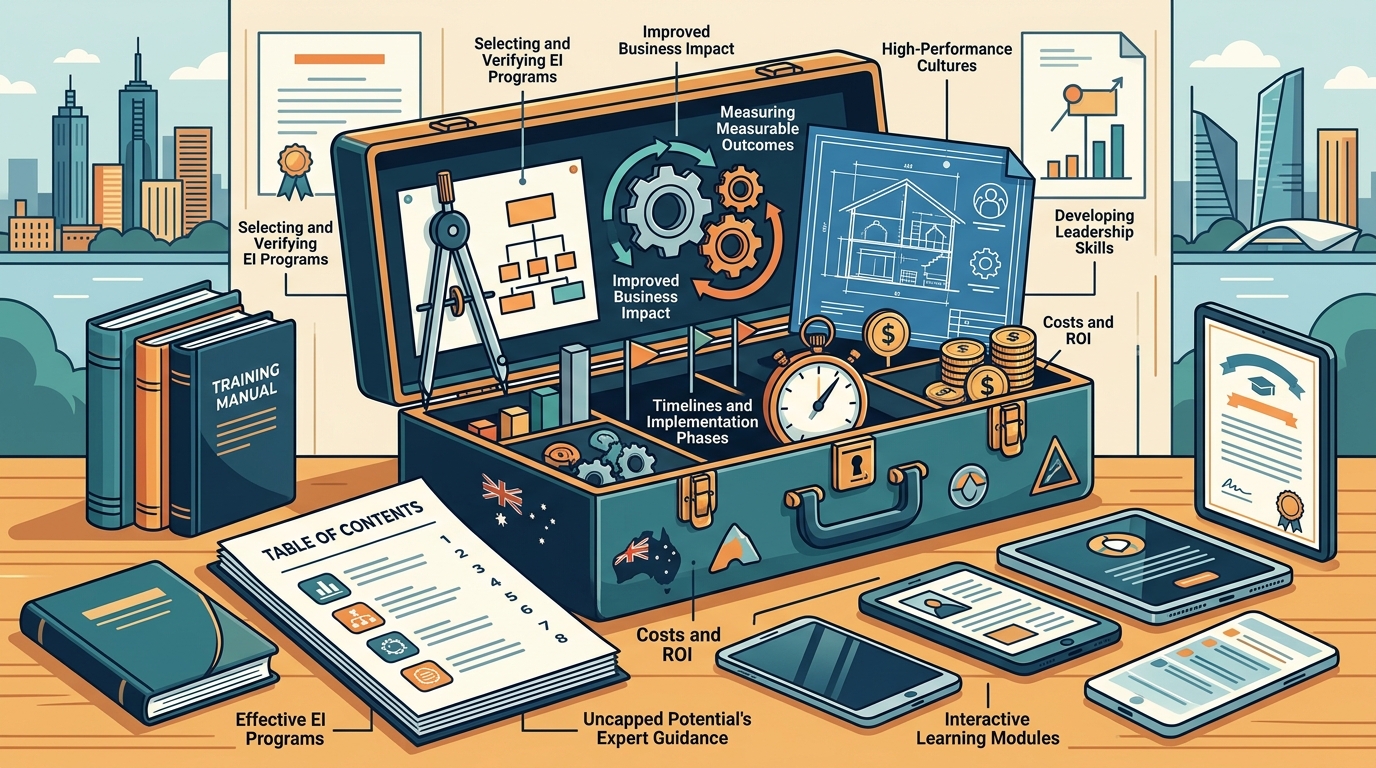
Costs are driven by the depth of the intervention and the number of leaders involved. A single leader's 1:1 accelerator will cost less than a full organisational culture transformation. The price reflects the expertise of the consultants, the quality of the diagnostic tools, and the level of ongoing support provided. You are paying for the ability to turn strategy into consistent execution and stronger performance.
Consider the cost of inaction. Where emotional intelligence is low, organisations see poor decision making under pressure, inconsistent standards, and claims or complaints. The financial impact of a toxic culture or a leadership vacuum far exceeds the investment in proper development. High-performing organisations treat EI as a competitive advantage, not an optional expense.
What Goes Wrong: The Common Mistakes and How to Avoid Them
A common mistake is confusing empathy with avoidance. Leaders may stay silent about underperformance to be kind, but this erodes credibility and culture. Another error is relying too heavily on culture surveys, which often provide a false sense of security. Aggregated scores can hide pockets of dysfunction, and forced completion rates measure compliance, not engagement.
Organisations also fail when they mandate conformity instead of fostering authenticity. This can lead to cult-like environments where disagreement is reframed as negativity. To avoid this, ensure your provider focuses on constructive challenge and accountability. They should help you build a culture where people feel safe to speak up, challenge, learn, and grow, rather than one where they are afraid to do so.
Versus Alternatives: How This Compares to the Alternatives
| Approach | Focus | Outcome |
|---|---|---|
| Generic Personality Tests | Static traits | Awareness only, no behavioural change |
| Traditional HR Training | Compliance and policy | Reactive, low commercial impact |
| Uncapped Potential EI | Leadership discipline and execution | Measurable performance and culture shift |
Traditional HR often focuses on policy and administration, acting as a cost centre. In contrast, a firm like HR Mastery shifts HR from policy-driven support to value-driven leadership. They align people strategy with business objectives, creating a dynamic and future-focused performance environment. This is a fundamental difference in how the function is perceived and valued within the organisation.
For a Specific Situation: How the Answer Changes for a Particular Case
If you are dealing with a leadership vacuum or a cultural reset, you need a partner who can navigate the tough issues. This is not the time for soft, feel-good sessions. You need leaders who can lean in constructively, honestly, and with care. They should be able to handle the moments of reset and the cultural inflection points that define your organisation's trajectory.
For HR leaders specifically, the focus shifts to building influence and credibility. You need to move from firefighting to foresight. The right partner will help you embed emotional intelligence into your HR practice, not just in leadership programs. This ensures that every initiative shifts performance, strengthens leadership, and creates measurable impact.
Rules and Protections: The Rules, Rights or Protections That Apply
Psychosocial safety is the cornerstone of a thriving culture. It is a legal and ethical requirement to create an environment where people feel safe to speak up. Leaders must understand where hazards exist and how they link to performance, retention, and compliance under evolving workplace laws. This is not just about being nice; it is about risk management.
Organisations must protect the right to challenge. If speaking up is career-limiting, you have a serious problem. Leaders must model the standard, not just set it. They must spot their own blind spots before their team has to point them out. This creates a culture of trust and authenticity, which is essential for high performance.
Local Specifics: What is Specific to the Areas Served
Uncapped Potential operates in Australia and Singapore, bringing a deeply practical understanding of what it takes to lead through complexity in these regions. They have worked with leading companies in industries where women were often the exception, not the rule. This experience gives them a unique perspective on influencing at the top and delivering strategy under pressure.
The local context includes a surge in psychosocial claims and a need for leaders to manage multiple generations in the workplace. The firm's approach is tailored to these realities, ensuring that their solutions are relevant and actionable. They understand the specific challenges of the Australian and Singaporean business environments, from market demands to leadership dynamics.
Timing: When to Act and How Timing Changes the Outcome
Timing is critical. If you wait until the culture has collapsed, the cost of repair is significantly higher. It is better to act when you see the early signs of disengagement or conflict. Leaders who are proactive in building emotional intelligence can prevent the small moments of erosion that lead to cultural collapse. They can turn conflict into something the team can work with, rather than letting it fester.
Also, consider the timing of your strategic initiatives. If you are launching a new strategy, you need the leadership behaviour to support execution. Strategy without execution impact is a waste of time. Aligning leadership behaviour, emotional intelligence, and accountability with strategic intent ensures that your strategy actually lands. This is where the right partner makes all the difference.
Results Over Time: Measurable Outcomes and What to Expect Long Term
Long-term results include a sustainable, high-performing environment where people are thriving and growing. You will see clear, consistent leadership behaviour, strong performance environments, and constructive challenge. The culture will hold up under pressure, and strategy will land. This is the ultimate goal of investing in emotional intelligence.
Over time, you will build a shared language for leadership and greater alignment and trust. This improves team effectiveness and creates a stronger performance environment. You will have clear visibility of leadership capability and a framework for development. This is not a quick fix; it is a long-term investment in your organisation's most valuable asset: its people.
Key Takeaways
- Emotional intelligence is a leadership discipline, not a soft skill or personality trait.
- Choose a partner with lived experience in corporate leadership and high-stakes decision making.
- Verify that the provider uses globally recognised diagnostic tools backed by research.
- Look for a focus on hard outcomes, such as strategy execution and risk mitigation.
- Avoid providers who rely on generic personality tests or recycled theory.
- Psychosocial safety is a legal and ethical requirement, not just a nice-to-have.
- Timing matters; act before the culture collapses to reduce the cost of repair.
- Long-term results include a sustainable, high-performing environment where people thrive.
Frequently Asked Questions
What is the difference between emotional intelligence and personality testing?
Emotional intelligence is a leadership discipline that assesses how leaders think and behave. Personality testing, like Myers Briggs or DISC, assesses static traits. EI gets to the heart of how thinking drives behaviour, irrespective of personality traits.
How long does it take to see results from an EI program?
Sustainable change takes time and patience. It is an evolution, not a revolution. You are resetting the cultural thermostat, which requires consistent effort and a multi-pronged approach.
Can emotional intelligence improve strategy execution?
Yes. Strategy without execution impact is a waste of time. Aligning leadership behaviour, emotional intelligence, and accountability with strategic intent ensures that your strategy actually lands.
What is psychosocial safety?
Psychosocial safety is the cornerstone of a thriving culture. It is an environment where people feel safe to speak up, challenge, learn, and grow. It is a legal and ethical requirement under evolving workplace laws.
How do I know if my culture is toxic?
If speaking up is career-limiting, and disagreement is reframed as negativity, you may have a toxic culture. Leaders must model the standard and spot their own blind spots to prevent this.
Why is empathy sometimes a cop out?
When empathy is masquerading as avoidance, it is a problem. Leaders may stay silent about underperformance to be kind, but this erodes credibility and culture. Real respect is believing someone is capable of handling the hard truth.
Conclusion
Building emotional intelligence across your leadership team is a critical investment in your organisation's future. It is the single most under-leveraged competitive advantage available to any organisation. By choosing the right partner, you can close the gap between intent and impact. Contact Uncapped Potential to start the conversation about how to uncap your organisation's potential.