

Emotional intelligence assessment is a structured process that measures a leader's ability to recognize, understand, and manage emotions in themselves and others. For Australian leaders, this process moves beyond simple personality testing to evaluate how thinking styles drive behavior under pressure. Uncapped Potential uses these diagnostic tools to help executives close the gap between intent and impact, ensuring that leadership capability translates into sustainable business performance.
1. Define the Assessment Objectives
Align the diagnostic with specific business outcomes rather than generic self-discovery. Before administering any tool, leaders must clarify why the assessment is being conducted. Is the goal to improve team trust, enhance decision-making under pressure, or align leadership behavior with a new strategy? Uncapped Potential emphasizes that emotional intelligence is a leadership discipline, not a soft skill. Defining clear objectives ensures the assessment drives actionable change rather than just providing a profile of traits.
2. Select a Validated Diagnostic Tool
Choose a tool that measures thinking styles and impact, not just personality types. Many standard tools like Myers-Briggs or DISC assess personality traits but do not measure emotional intelligence. The Lifestyles Inventory (LSI) from Human Synergistics is a globally recognized diagnostic that reveals how leaders think and behave. It provides insight across constructive, passive/defensive, and aggressive/defensive styles. This distinction is critical for Australian leaders who need to understand the drivers behind their effectiveness and how others experience them.
3. Complete the Self-Perception Survey
Provide an honest baseline of how you believe you operate in the workplace. The first phase of the assessment involves the leader completing a self-report questionnaire. This step captures the individual's view of their own thinking styles and emotional responses. It is essential for establishing a baseline of self-awareness. Many leaders overestimate their self-awareness, so this step helps identify the gap between how they think they land and how they actually land.
4. Gather 360-Degree Feedback
Collect external data to validate self-perception against reality. To create a complete picture, the assessment requires feedback from peers, direct reports, and sometimes senior leaders. This 360-degree input reveals how others experience the leader's behavior. It highlights blind spots that the individual may not recognize. For Australian leaders, this step is vital for building trust and ensuring that leadership behavior supports a culture of psychosocial safety.
5. Analyze the Circumplex Results
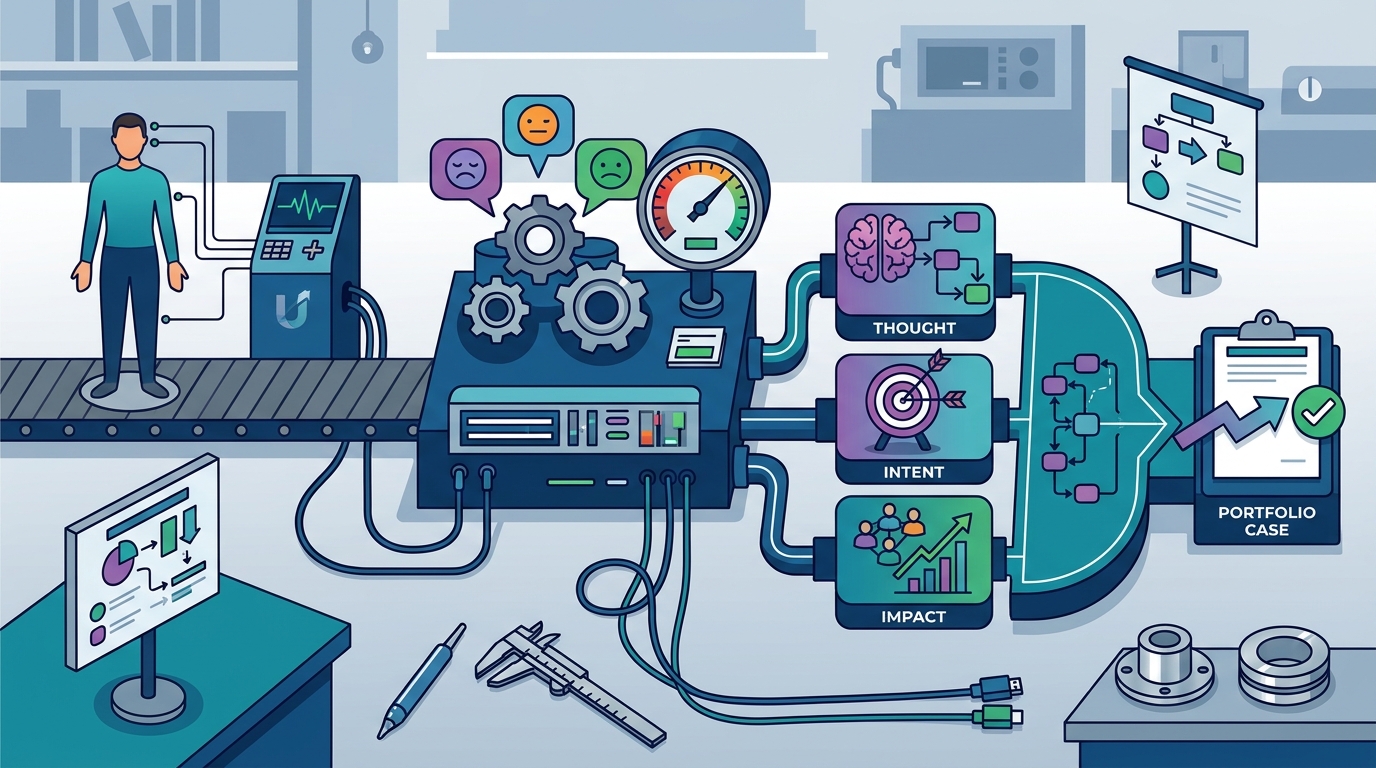
Interpret the data to identify strengths and areas for development. Once the data is collected, a qualified practitioner analyzes the results using the Human Synergistics circumplex model. This analysis maps the leader's thinking styles to understand what is currently supporting and hindering their effectiveness. It provides a clear visual representation of emotional intelligence. This step transforms raw data into a meaningful narrative about leadership capability and cultural impact.
6. Conduct a Facilitated Debrief
Translate insights into a personalized development plan. The assessment is not complete until the leader reviews the results with a facilitator. This debrief session helps the leader understand the drivers behind their styles and identify practical shifts in behavior. It is a thought-provoking process that inspires executives to maximize their potential. Uncapped Potential focuses on translating insight into action, ensuring that the assessment leads to tangible changes in leadership behavior.
7. Implement Behavioral Change Strategies
Embed new habits to sustain long-term performance improvements. The final step is the implementation of development strategies. This involves setting specific goals for changing thinking styles and monitoring progress over time. It is not a one-off event but a continuous process of growth. By embedding behavioral change, leaders can build a high-performing culture where emotional intelligence drives decision-making, resilience, and influence under pressure.
Choosing the Right Approach
Frequently Asked Questions
What is the difference between emotional intelligence and personality testing?
Emotional intelligence measures how leaders think and behave to influence outcomes, while personality testing categorizes traits. Tools like the LSI assess emotional intelligence by revealing thinking styles, whereas tools like Myers-Briggs do not measure EI directly.
How long does an emotional intelligence assessment take?
The self-assessment typically takes 30 to 45 minutes. The full process, including 360-degree feedback and the facilitated debrief, usually spans two to four weeks depending on the number of raters and scheduling.
Who should complete an emotional intelligence assessment?
Any leader who wants to improve their effectiveness, build trust, or drive performance should complete an assessment. It is particularly useful for executives, senior managers, and HR leaders who influence organizational culture.
Is the assessment confidential?
Yes, the results are confidential and shared only with the individual and their designated facilitator. 360-degree feedback is aggregated to protect the anonymity of raters, ensuring honest and constructive input.
How does emotional intelligence impact business performance?
High emotional intelligence leads to better decision-making, stronger team trust, and improved execution. It is a critical driver of performance, culture, and risk management in any organization.
Next Steps
To begin your emotional intelligence assessment, to discuss how we can help you uncap your leadership potential.