

Emotional intelligence is not a soft skill. It is the single most under leveraged competitive advantage available to any organisation and the one thing AI cannot replace. In an era where artificial intelligence handles data processing with unprecedented speed, the human element of leadership has become the primary differentiator for organizational success. Leaders who master their own emotions and understand the emotions of others are better equipped to navigate complexity, drive performance, and build resilient cultures. This guide explores how emotional intelligence directly enhances leadership capabilities and provides a roadmap for implementation. (Extensive Real World Experience)
Defining Emotional Intelligence in Leadership
To understand how emotional intelligence improves leadership, we must first establish a precise definition. Emotional intelligence is the ability to recognize, understand, and manage our own emotions, as well as recognize, understand, and influence the emotions of others. This definition moves beyond the colloquial use of "being nice" and focuses on the functional application of empathy and self-regulation in high-stakes environments. (Leadership Emotional Intelligence Uncapped)
Leadership capability is a critical risk control as psychosocial claims rise and people management fundamentals continue to erode. When leaders lack this capability, they often rely on outdated command-and-control structures that fail in modern, knowledge-based economies. The gap between intent and impact is where most leadership failures occur. Ambitious leaders must close this gap by leveraging emotional intelligence to turn complexity into opportunity. (Leadership Emotional Intelligence Uncapped)
Self awareness is the foundational pillar of this framework. It is the skill most people think they have but don’t. Without accurate self-awareness, a leader cannot accurately assess their impact on the team. This lack of clarity leads to misaligned strategies and eroded trust. By prioritizing self-awareness, leaders can identify their blind spots and adjust their behavior to better serve organizational goals.
The Impact on Strategic Performance
There is a direct correlation between emotional intelligence and organizational performance. Research indicates that organizations with high emotional intelligence cultures outperform their peers in revenue growth and employee retention. This is because emotionally intelligent leaders create environments where employees feel valued and understood, leading to higher engagement levels.
According to data from Human Synergistics, leaders who utilize emotional intelligence tools demonstrate significantly higher levels of strategic clarity. These leaders are better at navigating the political and operational challenges that arise in large organizations. They do not avoid difficult conversations; instead, they lean in constructively, honestly, and with care. This approach reduces friction and accelerates decision-making processes.
The Empathy Trap is a common pitfall where leaders confuse being kind with being honest. True emotional intelligence requires the courage to deliver difficult feedback with clarity and respect. This balance is essential for maintaining high standards while preserving relationships. Leaders who master this balance foster a culture of accountability and continuous improvement.
Psychosocial Safety and Trust
Psychosocial safety is a shared perception among employees that the team environment is safe for interpersonal risk-taking. When leaders cultivate psychosocial safety, they unlock performance potential by encouraging innovation and open dialogue. This concept is central to modern leadership theory and is increasingly recognized as a key driver of organizational health.
Preventing psychosocial safety issues is not just a compliance matter; it is a performance imperative. Leaders who ignore the emotional well-being of their teams risk creating a culture of silence and fear. This environment stifles creativity and increases turnover. By focusing on emotional intelligence, leaders can build trust and authenticity, which are the bedrocks of high-performing teams.
The boardroom blindspot is a critical area where leadership capability often fails. Boards and executives must recognize that leadership capability is a critical risk control. Ignoring the emotional dynamics of leadership can lead to significant organizational risks, including reputational damage and financial loss. Addressing these risks requires a proactive approach to emotional intelligence development.
Emotional Intelligence vs. AI
As artificial intelligence becomes more prevalent in the workplace, the value of human emotional intelligence increases. AI can process data and identify patterns, but it cannot replicate the nuance of human interaction. Emotional intelligence is the one thing AI cannot replace. This distinction is crucial for leaders who are navigating the digital transformation of their organizations.
Leaders who leverage emotional intelligence can better guide their teams through the changes brought about by AI. They can address the anxieties and uncertainties that employees may feel about automation. By providing clear communication and empathetic support, leaders can help their teams adapt to new technologies and workflows. This guidance is essential for maintaining morale and productivity during periods of change.
The future of work will require leaders who can balance technological efficiency with human connection. Organizations that prioritize emotional intelligence will be better positioned to thrive in this evolving landscape. They will be able to attract and retain top talent who value meaningful work and supportive leadership.
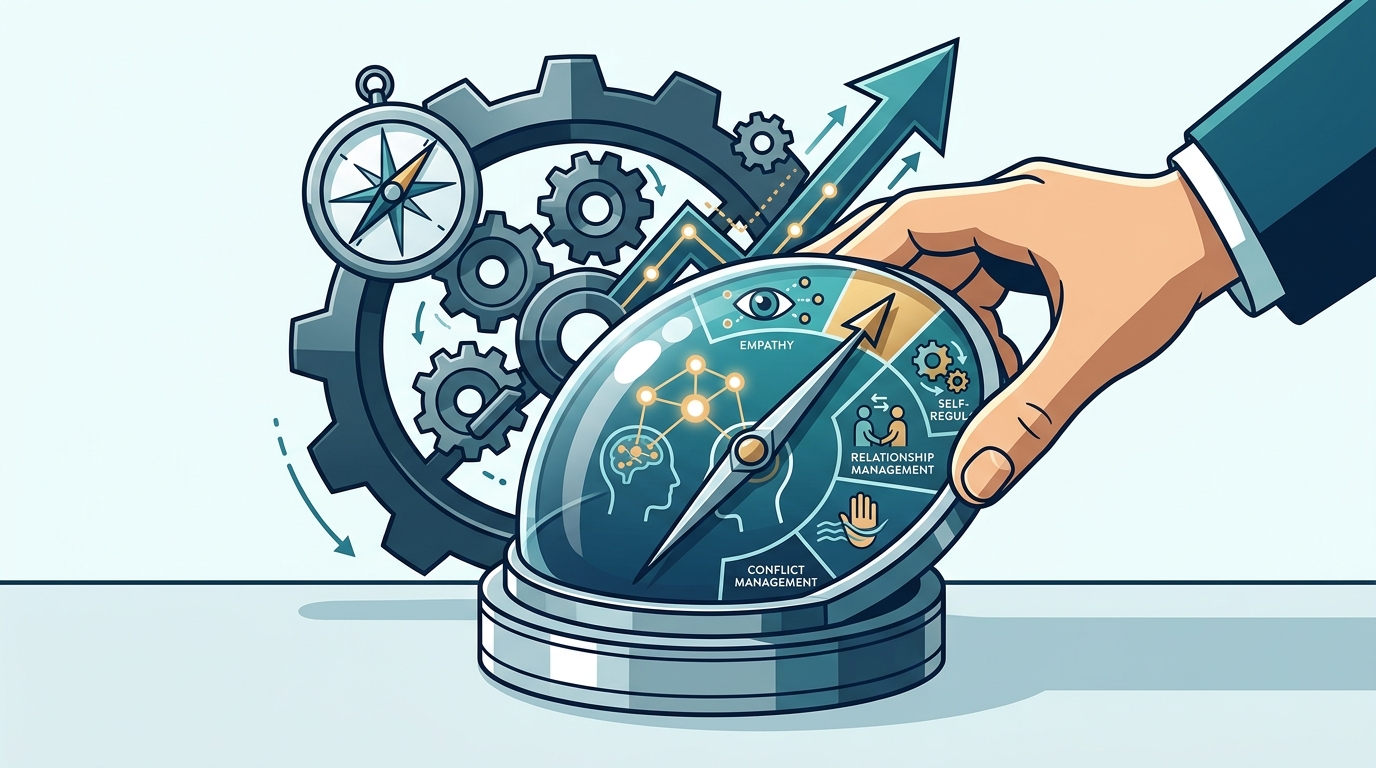
Implementation Frameworks
Implementing emotional intelligence in leadership requires a structured approach. Here is a comparison of common methods for developing these skills:
| Method | Description | Best For |
|---|---|---|
| Leadership Coaching | One-on-one sessions focused on personal growth and behavioral change. | Individual leaders seeking deep self-awareness. |
| HR Mastery Programs | Strategic training for HR professionals to embed EI in culture. | Organizations aiming for systemic cultural change. |
| Advisory Services | High-level strategy consulting for transformation and execution. | Executives navigating complex organizational challenges. |
| Conference Speaking | Keynotes and workshops to inspire and challenge thinking. | Large groups seeking motivation and insight. |
Each of these methods offers unique benefits depending on the organization's needs. Leaders should assess their current capabilities and identify areas for improvement before selecting a development path. The goal is to create a sustainable practice of emotional intelligence that enhances leadership effectiveness over time.
Key Takeaways
- Emotional intelligence is a competitive advantage that AI cannot replicate.
- Leaders with high EI demonstrate better strategic clarity and decision-making.
- Psychosocial safety is a key driver of employee engagement and innovation.
- Self-awareness is the foundational skill for all emotional intelligence development.
- Uncapped Potential has trained over 1,200 leaders and HR practitioners in EI.
- Organizations with strong EI cultures report higher revenue growth and retention.
- Leadership capability is a critical risk control in modern organizations.
Frequently Asked Questions
How does emotional intelligence impact team performance?
Emotional intelligence improves team performance by fostering trust, reducing conflict, and enhancing communication. Leaders who are emotionally intelligent can better understand the needs of their team members and provide the support necessary for success.
Can emotional intelligence be learned?
Yes, emotional intelligence is a set of skills that can be developed through practice and training. Programs like those offered by Uncapped Potential provide structured pathways for leaders to improve their EI.
What is the difference between empathy and emotional intelligence?
Empathy is a component of emotional intelligence, but EI also includes self-awareness, self-regulation, and social skills. Emotional intelligence is the broader framework that enables effective leadership.
Why is emotional intelligence important for HR leaders?
HR leaders use emotional intelligence to drive strategy, execution, and enterprise performance. It allows them to navigate complex human dynamics and build cultures that support organizational goals.
How does psychosocial safety relate to leadership?
Psychosocial safety is the perception that the workplace is safe for interpersonal risk-taking. Leaders who cultivate this safety create environments where employees feel comfortable sharing ideas and concerns, leading to better outcomes.
What are the risks of low emotional intelligence in leadership?
Low emotional intelligence can lead to poor decision-making, high turnover, and a toxic culture. It can also result in significant financial losses due to decreased productivity and increased conflict.
How can organizations measure emotional intelligence?
Organizations can measure emotional intelligence through assessments like the Human Synergistics Leader and Organisation Culture Insights. These tools provide data on leadership styles and cultural dynamics.
What is the role of self-awareness in leadership?
Self-awareness is the ability to recognize one's own emotions and their impact on others. It is essential for effective leadership because it allows leaders to adjust their behavior and improve their relationships.
Next Steps
Are you ready to close the gap between intent and impact? Unlock the potential of your leadership team by investing in emotional intelligence. Contact Uncapped Potential today to schedule a consultation and discover how we can help your organization thrive.