
Selecting an Emotionally Intelligent Leadership Approach for Your Australian Organisation
Emotional intelligence is not a soft skill. It is the single most under leveraged competitive advantage available to any organisation and the one thing AI cannot replace. In the current Australian business landscape, where psychosocial safety claims are rising and leadership capability has become a critical risk control, the gap between intent and impact is widening. Most organisations operate well within their limits, but the leaders who thrive are those who understand that human potential is limitless when properly unlocked. This guide details how to select, implement, and sustain an emotionally intelligent leadership framework that drives performance and closes that gap. (Extensive Real World Experience)
Defining Emotional Intelligence in Leadership
To select the right approach, you must first understand what emotional intelligence actually is in a professional context. Emotional intelligence is the ability to recognize, understand, and manage our own emotions and the emotions of others. It is not merely about being nice or empathetic. It is about leveraging human behaviour to drive strategic outcomes. (Uncapped Potential)
Leadership emotional intelligence is the specific application of these capabilities to guide teams through complexity. It involves self-awareness, self-regulation, motivation, empathy, and social skills. When leaders possess these traits, they create environments where accountability and performance coexist. This is not theoretical. With decades of senior leadership and executive experience, experts in this field bring a deeply practical understanding of what it takes to strategise and lead through competition.
Many leaders believe they have high emotional intelligence, but the reality is often very different. Self Awareness is the skill most people think they have but don’t. Without accurate self-perception, any leadership approach is built on a false foundation. The first step in selecting your approach is acknowledging that your perception of your leadership style may not match your impact on others.
The Australian Context: Psychosocial Safety and Risk
Choosing a leadership approach in Australia requires a specific focus on psychosocial safety. Psychosocial safety is the shared perception of policies, practices, and procedures for the protection of worker’s psychological health and safety. In Australia, this is no longer optional. It is a legal and ethical imperative.
Leadership capability is a critical risk control as psychosocial claims rise and people management fundamentals continue to erode. According to recent industry reports, the cost of poor mental health in the workplace is staggering, affecting productivity and increasing turnover. Leaders who fail to cultivate psychosocial safety are exposing their organisations to significant financial and reputational risk.
The boardroom blindspot is that leaders are often the biggest risk. They may be unaware of how their communication style, decision-making speed, or lack of empathy creates a toxic culture. This is why we need to stop talking about psychosocial safety as a separate HR initiative and start treating it as a core leadership competency. When leaders understand the link between their emotional intelligence and organisational risk, they are more motivated to change.
Diagnostic Tools and Assessment Frameworks
You cannot improve what you do not measure. Selecting an emotionally intelligent leadership approach requires a robust diagnostic tool. Traditional performance reviews are often the most expensive, least effective, HR process you still run. They focus on past behaviour and future goals but ignore the emotional and psychological drivers of performance.
Instead, organisations should utilise insights from Human Synergistics emotional intelligence tools. These tools provide a scientific basis for understanding leadership styles and organisational culture. They help identify whether a leader’s style is constructive or destructive, and how it aligns with the organisation’s strategic goals.
Human Synergistics Leader and Organisation Culture Insights offer a comprehensive view of how leaders influence culture. By using these insights, leaders can see the gap between their intended impact and their actual impact. This data-driven approach removes ego from the equation and allows for objective development. With over 400 such insights available, the depth of analysis is unparalleled.
Another critical tool is Coach. purposeful conversations. This framework helps leaders move beyond transactional interactions to meaningful, high-impact dialogues. It is not about having all the answers. It is about asking the right questions and listening with intent. Leaders using Coach. purposeful conversations© report higher levels of team engagement and trust.
Implementation Strategies for Leaders
Once you have selected your diagnostic tools, the next step is implementation. This is where many organisations fail. They invest in training but do not embed the learning into daily operations. To succeed, you must integrate emotional intelligence into your core business processes.
First, focus on advisory services across strategy, execution and transformation. Making capability and culture the engine of performance requires a shift in how you view HR. HR must move beyond compliance and administration into a true commercial partnership. This means HR leaders and practitioners must be guided to drive strategy, execution and enterprise performance through the lens of emotional intelligence.
Second, challenge the formal performance review. Time’s up on the formal performance review. Replace it with continuous feedback loops that prioritise psychological safety. When employees feel safe to speak up, they are more likely to share ideas, report issues, and innovate. This creates a dynamic performance environment where people feel valued and heard.
Third, invest in conference speaking and thought leadership. Engaging with bold, insight driven keynotes can challenge thinking and inspire action across your organisation. It signals to your team that emotional intelligence is a priority. It also helps leaders stay current with best practices and emerging trends in the field.
Finally, remember that as career leaders, not career consultants, we know how to drive change. We have been there. The journey is not linear. There will be setbacks. But with the right tools and mindset, you can close the gap between intent and impact.
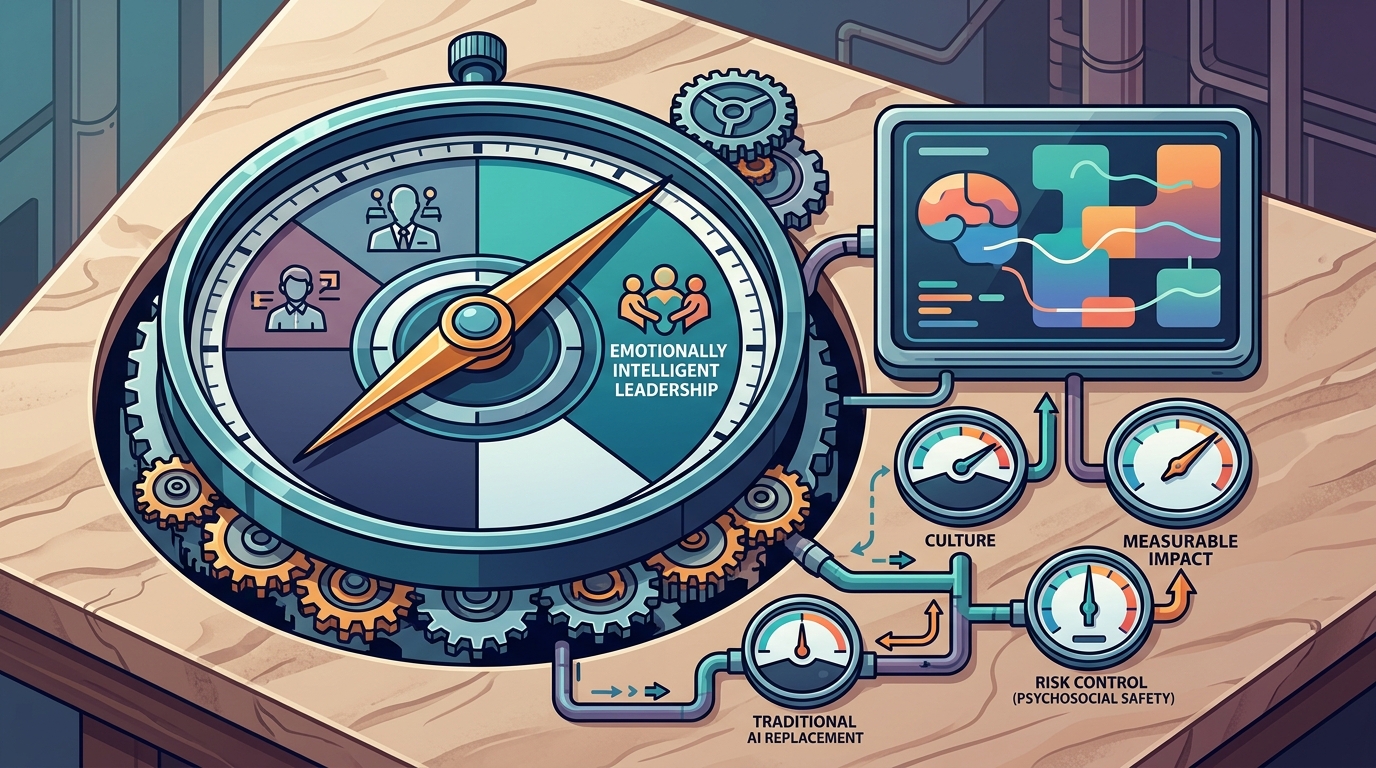
Comparing Leadership Development Approaches
Not all leadership development approaches are created equal. Some focus on technical skills, while others focus on soft skills. The most effective approach integrates both. Below is a comparison of common approaches to help you decide.
| Approach | Focus | Strengths | Weaknesses | Best For |
|---|---|---|---|---|
| Emotional Intelligence Framework | Self-awareness and empathy | Builds trust and psychological safety | Requires deep personal reflection | Organisations facing cultural challenges |
| Traditional Coaching | Goal setting and accountability | Clear metrics and outcomes | May ignore emotional drivers | Performance-driven teams |
| HR Mastery Programs | Strategic HR alignment | Integrates people strategy with business goals | Complex to implement | Large enterprises |
| Conference Keynotes | Inspiration and awareness | High energy and broad reach | Limited depth and follow-up | Initial cultural shifts |
As you can see, the Emotional Intelligence Framework offers the most comprehensive support for building a high-performing culture. It addresses the root causes of poor performance, which are often emotional and psychological. By choosing this approach, you are investing in the long-term health of your organisation.
Key Takeaways
- Emotional intelligence is a competitive advantage that AI cannot replace.
- Psychosocial safety is a critical risk control in the Australian market.
- Human Synergistics tools provide deep insights into leadership styles.
- Coach. purposeful conversations© enhance team engagement and trust.
- Traditional performance reviews are often ineffective and should be replaced.
- HR must evolve into a strategic commercial partnership.
- Leaders must move from compliance to capability building.
Frequently Asked Questions
What is the difference between emotional intelligence and empathy?
Empathy is a component of emotional intelligence. Emotional intelligence includes self-awareness, self-regulation, motivation, empathy, and social skills. It is the broader framework for understanding and managing emotions in a professional context.
How can I assess my organisation’s psychosocial safety?
You can assess psychosocial safety through culture surveys and diagnostic tools like Human Synergistics. These tools provide data on how employees perceive their workplace environment and identify areas for improvement.
Why are formal performance reviews considered ineffective?
Formal performance reviews are often infrequent, retrospective, and focused on compliance rather than development. They do not address the emotional and psychological factors that drive performance.
What is Coach. purposeful conversations©?
Coach. purposeful conversations© is a framework designed to help leaders engage in meaningful, high-impact dialogues with their teams. It focuses on asking the right questions and listening with intent.
How does Uncapped Potential help organisations?
Uncapped Potential provides advisory services, leadership training, and HR mastery programs that integrate emotional intelligence into business strategy. They help organisations close the gap between intent and impact.
Is emotional intelligence relevant for technical leaders?
Yes. Technical leaders often face unique challenges in communication and team management. Emotional intelligence helps them navigate these challenges and build high-performing teams.
What is the role of HR in emotional intelligence?
HR plays a critical role in embedding emotional intelligence into organisational culture. They must move beyond administration to become strategic partners who drive performance through people.
How long does it take to see results from emotional intelligence training?
Results vary, but most organisations see improvements in team engagement and trust within six to twelve months. Long-term cultural change requires ongoing commitment and support.
Next Steps
Are you ready to close the gap between intent and impact? Contact Uncapped Potential today to explore how our advisory services, leadership training, and HR mastery programs can transform your organisation. Visit our Contact page to schedule a consultation. Let us help you unlock the limitless potential of your people.