

Organizational culture is not a static artifact of office decor or casual Friday policies. It is the dynamic, invisible architecture of decision-making that dictates how work actually gets done. Recent insights from industry leaders suggest that the gap between leadership intent and organizational impact is often where culture is forged or fractured. When leaders operate within their limits, culture stagnates. When they push beyond those boundaries, human potential becomes the primary engine of performance. This guide explores how strategic leadership thinking directly shapes, sustains, and transforms organizational culture. (Contact mdash Uncapped Potential)
Understanding Culture as a Strategic Asset
Most organizations treat culture as a secondary outcome of business operations. This is a critical error. Culture is the primary input for sustainable growth. It defines the boundaries of acceptable behavior, the speed of decision-making, and the resilience of the team during crises. When leadership thinking is misaligned with cultural goals, the organization experiences friction. Employees feel disconnected from the stated mission, and productivity declines.
Culture is the shared set of values, beliefs, and behaviors that determine how a company's employees and management interact and handle outside business transactions. It is not something you can buy. It is something you build through consistent, deliberate action. Leaders who understand this distinction stop managing culture as a human resources checkbox and start leading it as a business strategy. This shift requires moving beyond compliance and administration into true commercial partnership. The goal is to make capability and culture the engine of performance.
Research indicates that companies with strong, well-defined cultures outperform their peers by significant margins. This is not because they have better products initially, but because their culture allows them to adapt faster and execute more effectively. The foundation of this adaptability lies in the thinking patterns of the leaders at the top. If leaders prioritize short-term gains over long-term cultural health, the organization will inevitably suffer from internal decay. Conversely, leaders who view culture as a competitive advantage create environments where talent thrives and innovation flourishes.
The Role of Leadership Thinking
Leadership thinking is the cognitive framework through which leaders interpret challenges, opportunities, and human behavior. It is the lens that filters every decision. When leadership thinking is rigid, culture becomes toxic. When it is flexible and empathetic, culture becomes dynamic. The most effective leaders recognize that their primary role is not to dictate every move, but to shape the environment in which moves are made.
One of the most significant blind spots for leaders is the assumption that their intent is clear to everyone. In reality, there is often a vast gap between what a leader intends and how their actions are perceived. Closing this gap requires deliberate effort. Leaders must constantly audit their own thinking patterns. Are they reacting to immediate pressures? Are they allowing past failures to dictate future possibilities? Are they creating space for others to contribute?
Effective leadership thinking involves a deep understanding of human behavior. It requires leaders to step out of the boardroom and into the trenches of organizational reality. This means navigating the challenges, the politics, the pressure, and the moments where the right leadership decision made all the difference. By doing so, leaders gain the credibility necessary to drive change. They move from being career consultants to being career leaders who have actually done the job. This lived experience is invaluable when shaping culture because it provides the authority to challenge the status quo.
Furthermore, leadership thinking must evolve with the times. Traditional models of command and control are obsolete in a knowledge economy. Modern leaders must embrace complexity and turn it into opportunity. This requires a shift from managing people to empowering them. It requires a move from transactional interactions to transformational relationships. When leaders adopt this mindset, they create a culture of accountability and performance that coexists with trust and authenticity.
Emotional Intelligence as the Core Driver
Emotional intelligence is not a soft skill. It is the single most underleveraged competitive advantage available to any organization and the one thing AI cannot replace. In the context of shaping culture, emotional intelligence is the mechanism by which leaders connect with their teams on a human level. It allows them to read the room, understand unspoken concerns, and respond with empathy and clarity.
Self-awareness is the cornerstone of emotional intelligence. It is the skill most people think they have but don’t. Leaders who lack self-awareness often project their own insecurities onto their teams, creating an environment of fear and uncertainty. They may believe they are being direct and honest, but their lack of emotional regulation can come across as aggressive or dismissive. This erodes trust and stifles open communication.
Developing emotional intelligence requires deliberate practice. It involves stepping back from immediate reactions and examining the underlying emotions driving those reactions. It requires leaders to seek feedback, even when it is uncomfortable. It involves listening to understand, not just to respond. When leaders prioritize emotional intelligence, they create a culture where people feel seen, heard, and valued. This sense of psychological safety is crucial for innovation and risk-taking.
Moreover, emotional intelligence enables leaders to navigate complex interpersonal dynamics. Organizations are political ecosystems. Leaders must understand the power structures, the alliances, and the unspoken rules that govern behavior. By applying emotional intelligence, they can influence these dynamics positively. They can build bridges between silos, resolve conflicts constructively, and foster collaboration. This is not about being nice. It is about being effective. It is about using human insight to drive business results.
The impact of emotional intelligence on culture is measurable. Organizations that invest in developing the emotional intelligence of their leaders see improvements in employee engagement, retention, and overall performance. This is because emotional intelligence creates a foundation of trust. When employees trust their leaders, they are more likely to commit to the organization’s goals. They are more likely to go the extra mile. They are more likely to stay. This creates a virtuous cycle of positive culture and high performance.
Cultivating Psychosocial Safety
Psychosocial safety is the shared belief held by members of a team that the team is safe for interpersonal risk-taking. It is the confidence that one will not be embarrassed, rejected, or punished for speaking up with ideas, questions, concerns, or mistakes. In the context of leadership thinking, cultivating psychosocial safety is a deliberate strategic choice. It requires leaders to model vulnerability and welcome dissent.
Many leaders mistakenly believe that psychosocial safety means avoiding conflict. This is a dangerous misconception. True psychosocial safety allows for robust debate and constructive conflict. It creates an environment where the best ideas win, regardless of who proposes them. Leaders must actively encourage this by rewarding those who speak up, even when their message is difficult. They must demonstrate that their ego is not on the line, but the organization’s success is.
Building psychosocial safety starts with the leader’s own behavior. Leaders must admit their own mistakes openly. They must ask for help. They must show that they are human. This vulnerability signals to the team that it is safe to be imperfect. It breaks down the hierarchy that often stifles communication. It creates a culture of learning rather than a culture of blame.
Furthermore, leaders must establish clear norms and expectations for interaction. This includes setting boundaries for respectful communication and addressing toxic behavior immediately. Psychosocial safety is not a free-for-all. It is a structured environment where everyone feels safe to contribute. Leaders must be vigilant in protecting this space. They must ensure that dominant voices do not silence others. They must actively seek out diverse perspectives.
The relationship between psychosocial safety and performance is well-documented. Teams with high levels of psychosocial safety are more innovative, more agile, and more resilient. They are able to identify and address problems before they become crises. They are able to learn from failures and adapt quickly. This is the kind of culture that drives sustainable growth. It is the kind of culture that leaders must actively shape through their thinking and actions.
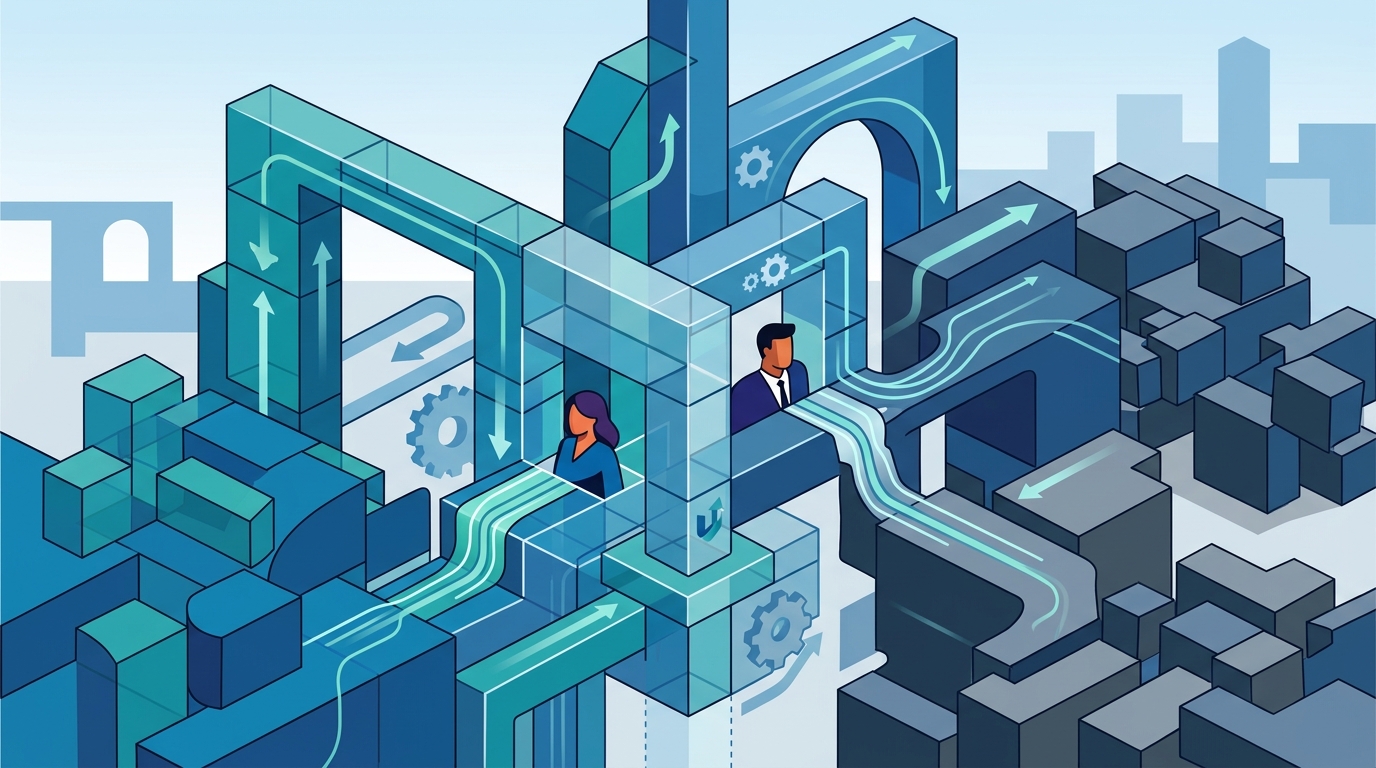
Comparing Cultural Shaping Approaches
Leaders have different approaches to shaping culture. Some rely on formal policies and procedures. Others focus on informal norms and values. Some prioritize top-down directives, while others emphasize bottom-up engagement. Understanding the strengths and limitations of each approach is crucial for effective leadership.
| Approach | Description | Strengths | Limitations |
|---|---|---|---|
| Policy-Driven | Relies on formal rules, codes of conduct, and compliance frameworks to define acceptable behavior. | Provides clarity and consistency. Reduces ambiguity in high-risk environments. | Can feel rigid and bureaucratic. May not address unspoken norms or cultural nuances. |
| Values-Based | Focuses on articulating and living core values. Uses storytelling and recognition to reinforce desired behaviors. | Creates emotional connection. Inspires intrinsic motivation. Flexible and adaptable. | Requires consistent modeling by leaders. Can be perceived as hypocritical if not lived authentically. |
| Top-Down Directive | Leaders explicitly dictate cultural changes and expect immediate compliance. | Fast implementation. Clear direction in times of crisis. | Low buy-in from employees. High resistance. Sustainable only for short periods. |
| Participative Engagement | Involves employees in defining and shaping the culture through workshops, surveys, and feedback loops. | High ownership and commitment. Diverse perspectives included. Builds trust. | Time-consuming. Can lead to analysis paralysis if not managed effectively. |
The most effective leaders do not rely on a single approach. They blend these methods to create a holistic cultural strategy. They use policies to set the baseline, values to inspire, and engagement to build ownership. They adapt their approach based on the context and the needs of the organization. This flexibility is a hallmark of mature leadership thinking.
Key Takeaways
- Leadership Intent vs. Impact: The gap between what leaders intend and what is perceived is where culture is shaped. Closing this gap requires deliberate communication and self-awareness.
- Emotional Intelligence is Critical: Emotional intelligence is the single most underleveraged competitive advantage available to any organization and the one thing AI cannot replace. It drives trust and psychological safety.
- Psychosocial Safety Drives Innovation: Teams with high psychosocial safety are more innovative and resilient because they feel safe to take interpersonal risks.
- Lived Experience Matters: Leaders who have navigated organizational complexities firsthand have greater credibility when driving cultural change.
- Culture is Strategic: Culture is not a secondary outcome. It is the primary input for sustainable growth and performance.
- Blended Approaches Work Best: Effective cultural shaping combines policy, values, and participative engagement rather than relying on a single method.
- Continuous Auditing: Leaders must constantly audit their own thinking patterns and behaviors to ensure alignment with cultural goals.
Frequently Asked Questions
How does leadership thinking directly influence organizational culture?
Leadership thinking shapes culture by determining the priorities, behaviors, and norms that are rewarded and tolerated. When leaders think strategically about culture, they align their actions with their stated values, creating consistency and trust.
Why is emotional intelligence considered a competitive advantage?
Emotional intelligence allows leaders to navigate complex human dynamics, build trust, and foster psychological safety. These factors drive employee engagement, innovation, and retention, which are key drivers of business success.
What is psychosocial safety and why is it important?
Psychosocial safety is the shared belief that the team is safe for interpersonal risk-taking. It is important because it encourages open communication, learning from mistakes, and innovation without fear of punishment.
How can leaders close the gap between intent and impact?
Leaders can close this gap by seeking feedback, practicing self-awareness, and communicating clearly. They must also be willing to adjust their behavior based on how their actions are perceived by others.
What role does lived experience play in cultural leadership?
Lived experience provides leaders with credibility and insight into the real challenges of organizational life. This allows them to drive change with authenticity and understanding, rather than relying on theoretical models.
Can culture be changed quickly?
While specific behaviors can be changed quickly, deep cultural transformation takes time. It requires consistent effort, alignment across all levels of leadership, and a long-term commitment to new norms.
How do you measure the success of cultural initiatives?
Success can be measured through employee engagement surveys, retention rates, innovation metrics, and feedback on psychological safety. It is also reflected in the organization’s ability to adapt and perform under pressure.
Next Steps for Your Organization
Shaping organizational culture through leadership thinking is not a one-time project. It is an ongoing journey that requires commitment, courage, and clarity. If you are ready to close the gap between intent and impact, we can help. At Uncapped Potential, we work with ambitious leaders to drive performance and turn complexity into opportunity. Our approach leverages emotional intelligence and deep practical experience to build dynamic performance environments. Explore our Leadership Solutions to see how we can support your journey. Or, if you are looking for strategic guidance, visit our Advisory Services page. For those interested in broader organizational insights, our Case Studies demonstrate the tangible results of our work. Contact us today to start the conversation about transforming your culture.