

ROI of Emotional Intelligence Training for Leadership Development
Organizations that prioritize emotional intelligence in their leadership pipelines consistently outperform peers in both retention and revenue growth. Recent industry analyses indicate that companies with high emotional intelligence cultures see a significant reduction in turnover costs, which can account for up to 200% of an employee's annual salary when replaced. This financial reality underscores why emotional intelligence is no longer viewed as a soft skill but as a critical financial lever for sustainable business growth.
Defining Emotional Intelligence ROI
Emotional intelligence is the capacity to recognize, understand, and manage our own emotions and those of others. In a corporate context, this translates directly to decision-making quality, conflict resolution efficiency, and team cohesion. When leaders possess high emotional intelligence, they create environments where employees feel valued and understood, leading to higher engagement levels.
The return on investment for emotional intelligence training is derived from multiple financial streams. These include reduced recruitment costs, lower absenteeism, and improved client satisfaction scores. Unlike technical skills, which can become obsolete, emotional intelligence scales with experience and application, making it a compounding asset for any organization.
At Uncapped Potential, we operate on the belief that emotional intelligence is the single most underleveraged competitive advantage available to any organization. It is the one thing AI cannot replace, yet it drives the human interactions that generate revenue and build brand loyalty.
Quantifying Retention and Turnover Savings
Employee turnover is one of the most significant hidden costs in modern business. According to data from the Society for Human Resource Management, the average cost to replace an employee ranges from 16% to 213% of their annual salary, depending on the level of the position. High-performing leaders with strong emotional intelligence are directly correlated with lower turnover rates.
When leaders fail to demonstrate empathy or self-awareness, employees often leave not because of the work itself, but because of the management style. This "leave the manager, not the job" phenomenon highlights the critical role of leadership capability in retention. By investing in training that enhances these skills, organizations can stabilize their workforce and preserve institutional knowledge.
Our approach at Uncapped Potential focuses on closing the gap between intent and impact. We help leaders understand how their behavior directly influences team stability. With over 30 years of experience in corporate HR and governance, we have seen firsthand how emotional intelligence training reduces the churn that drains financial resources.
Performance Metrics and Productivity
Productivity is not just about hours worked; it is about the quality of output and the efficiency of collaboration. Leaders with high emotional intelligence are better equipped to navigate complexity and turn it into opportunity. They can read the room, adjust their communication style, and motivate teams through challenging periods.
Research published in the Harvard Business Review suggests that emotional intelligence is a stronger predictor of performance than cognitive ability or technical skills for roles requiring high levels of interpersonal interaction. This is because EI enables leaders to manage stress, build trust, and foster a culture of accountability.
Furthermore, psychological studies confirm that emotionally intelligent leaders are more likely to engage in constructive feedback loops. This leads to faster problem-solving and innovation, as team members feel safe to share ideas without fear of retribution. The result is a more agile and responsive organization.
Risk Mitigation and Psychosocial Safety
Psychosocial safety refers to the shared perceptions of policies, practices, and procedures for the protection of worker's psychological health and well-being. Recent reports indicate a rise in psychosocial claims and mental health-related absences in the workplace. Leaders who lack emotional intelligence are often the primary drivers of this risk, creating toxic environments that lead to legal and reputational damage.
Emotional intelligence training equips leaders with the tools to identify early warning signs of stress and conflict. By addressing these issues proactively, organizations can avoid costly litigation and brand damage. The World Health Organization highlights that depression and anxiety cost the global economy an estimated $1 trillion per year in lost productivity.
At Uncapped Potential Insights, we frequently discuss the boardroom blindspot where leaders are the biggest risk. Our training programs focus on building self-awareness and accountability, which are critical for maintaining psychosocial safety. This proactive stance not only protects employees but also safeguards the organization's bottom line.
The Investment in Leadership Training
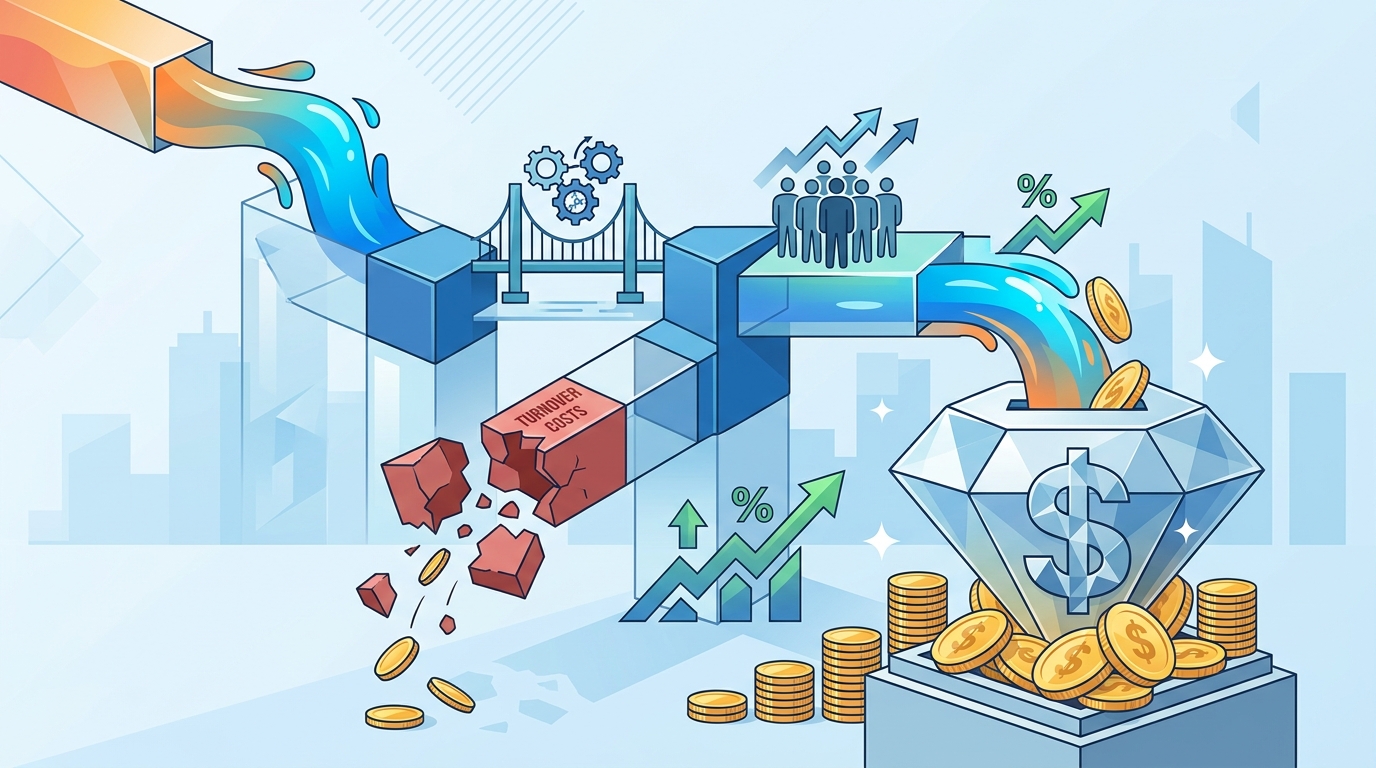
Investing in emotional intelligence training is not an expense; it is a strategic capital allocation. The cost of training is minimal compared to the potential savings from reduced turnover and increased productivity. Moreover, the long-term benefits of a high-EI culture include stronger employer branding and the ability to attract top talent.
We offer tailored solutions for leaders and HR practitioners. Our Leadership Solutions are designed to drive performance and turn complexity into opportunity. By leveraging emotional intelligence, leaders can create dynamic performance environments that thrive in competitive markets.
Our Case Studies demonstrate the tangible results of our advisory services. From strategy execution to cultural transformation, we make capability and culture the engine of performance. Clients who engage with our programs report significant improvements in team cohesion and leadership effectiveness.
Key Takeaways
- Emotional intelligence is the single most underleveraged competitive advantage available to any organization.
- Employee turnover costs can reach up to 213% of an annual salary, making retention a financial priority.
- Leaders with high EI are better predictors of performance than those with only technical skills.
- Psychosocial safety is a critical risk control as mental health claims rise globally.
- Uncapped Potential has over 30 years of experience in corporate HR and governance.
- Our training focuses on closing the gap between leadership intent and actual impact.
- Investing in EI training yields compounding returns through productivity and stability.
Frequently Asked Questions
How is ROI calculated for emotional intelligence training?
ROI is calculated by comparing the cost of the training program against the financial savings from reduced turnover, lower absenteeism, and increased productivity. Metrics such as retention rates and employee engagement scores are key indicators.
Why is emotional intelligence considered a hard skill?
Emotional intelligence is considered a hard skill because it directly impacts measurable business outcomes such as revenue growth, risk mitigation, and operational efficiency. It is no longer viewed as a soft skill but as a critical business competency.
What is the role of self-awareness in leadership?
Self-awareness is the foundation of emotional intelligence. It allows leaders to understand their own triggers and biases, enabling them to make better decisions and build stronger relationships with their teams.
How does emotional intelligence affect team performance?
Emotionally intelligent leaders foster a culture of trust and psychological safety. This encourages open communication, innovation, and collaboration, leading to higher team performance and job satisfaction.
Can emotional intelligence be learned?
Yes, emotional intelligence can be developed and improved through targeted training and practice. Our HR Mastery programs are designed to guide HR leaders and practitioners in driving strategy and execution through emotional intelligence.
What is the connection between EI and psychosocial safety?
Leaders with high emotional intelligence are better equipped to create and maintain psychosocial safety. They can identify and address stressors early, preventing burnout and creating a healthier work environment.
How long does it take to see results from EI training?
Results can vary, but many organizations see improvements in team dynamics and leadership effectiveness within the first few months of implementation. Long-term benefits include sustained cultural transformation and financial performance.
Start Your Leadership Journey
Are you ready to unlock the full potential of your leadership team? At Uncapped Potential, we work with ambitious leaders to close the gap between intent and impact. Our proven methodologies and decades of experience make us the trusted partner for organizations seeking to build high-performing cultures.
Visit our Contact page to schedule a consultation and discover how emotional intelligence can drive your organization's success. Let us help you harness the power of human potential.