

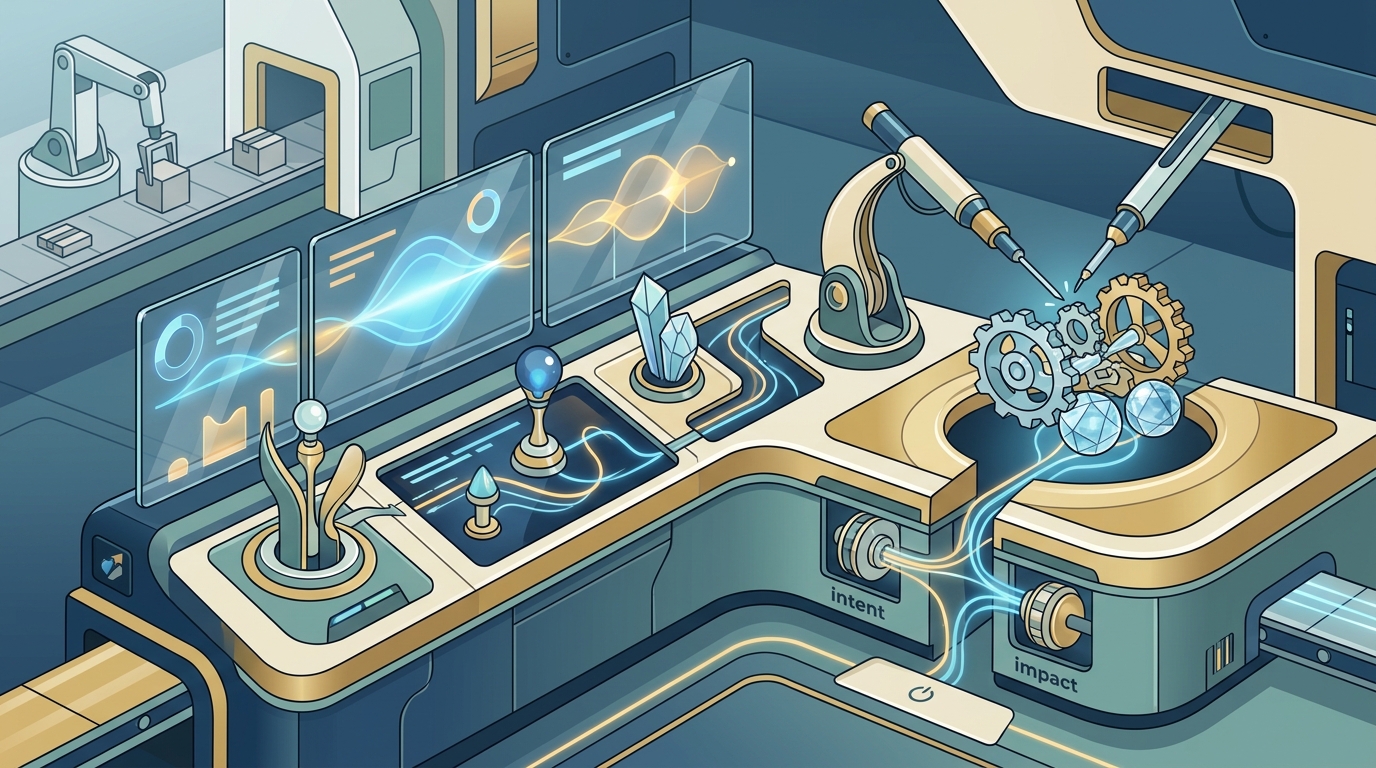
Emotional intelligence is not a soft skill. It is the single most under leveraged competitive advantage available to any organisation and the one thing AI cannot replace. In an era where automation handles routine tasks, the human capacity for empathy, self-regulation, and social awareness has become the primary differentiator for sustainable commercial success. Leaders who master these dynamics close the gap between intent and impact, turning complexity into opportunity. (Extensive Real World Experience)
Why Emotional Intelligence Matters Now
Most organisations operate well within their limits. We help organisations find out what happens when you don't, because human potential is limitless. The modern workplace is defined by volatility and rapid change. In this environment, traditional command-and-control leadership styles are failing. They create friction, stifle innovation, and increase turnover. (Leadership Emotional Intelligence Uncapped)
Emotional intelligence allows leaders to navigate these challenges with clarity. It is the ability to recognize, understand, and manage our own emotions, as well as recognize, understand, and influence the emotions of others. This capability is critical for building trust and fostering collaboration. Without it, teams remain siloed and reactive.
Research indicates that leaders with high emotional intelligence drive significantly higher team performance. According to data from the Harvard Business Review, emotionally intelligent leaders are more likely to foster inclusive environments where employees feel valued and motivated. This leads to better decision-making and stronger organizational resilience.
The Core Components of EI
To leverage emotional intelligence effectively, leaders must understand its foundational pillars. These components work together to create a holistic leadership approach.
Self-Awareness
Self-awareness is the ability to recognize and understand your own emotions, strengths, weaknesses, and values. It is the foundation of emotional intelligence. Leaders who are self-aware know how their behavior affects others. They understand their triggers and can manage their responses. This skill is often the most difficult to master because it requires honest self-reflection.
Many leaders believe they are self-aware, but the reality is often very different. As noted in recent insights on leadership blind spots, true self-awareness involves seeking feedback and confronting uncomfortable truths about one's impact on the organization.
Self-Regulation
Self-regulation is the ability to control or redirect disruptive impulses and moods. It involves thinking before acting. Leaders who regulate their emotions remain calm under pressure. They do not react impulsively to stress. This stability provides a sense of security for their teams.
Effective self-regulation also involves adaptability. Leaders must be able to pivot their strategies and approaches as circumstances change. This flexibility is crucial in dynamic business environments where rigid plans often fail.
Empathy
Empathy is the ability to understand and share the feelings of another. It is not about being kind or agreeable. It is about understanding the perspective of others to make better decisions. Empathetic leaders build stronger relationships and foster loyalty.
However, empathy can become a trap if it leads to indecision or avoids necessary difficult conversations. The Empathy Trap occurs when leaders confuse being kind with being honest. This avoidance comes at a cost to the organization and the individuals involved. True empathy requires the courage to have purposeful conversations.
Psychosocial Safety and Performance
Psychosocial safety is the shared perception of the policies, practices, and procedures for the protection of worker's psychological health and safety. It is a critical precursor to employee engagement and performance. When leaders prioritize psychosocial safety, they create an environment where employees feel safe to take risks, share ideas, and admit mistakes.
According to recent studies on workplace safety, organizations with high psychosocial safety report lower levels of burnout and higher levels of innovation. This is because employees are not wasting energy on self-protection. They are focused on contributing to the organization's goals.
Leaders play a pivotal role in cultivating psychosocial safety. They must model vulnerability and openness. They must respond to concerns with support rather than judgment. This builds a culture of trust and authenticity.
Leadership vs. Management Dynamics
Emotional intelligence distinguishes effective leaders from mere managers. Management is about planning, budgeting, and organizing. Leadership is about setting direction, aligning people, and motivating. While both are necessary, leadership requires a higher degree of emotional intelligence.
Managers focus on processes and systems. Leaders focus on people and culture. Leaders use emotional intelligence to inspire and influence. They connect with employees on a human level. This connection drives commitment and discretionary effort.
The boardroom blindspot is often the lack of leadership capability. Leaders are the biggest risk when they lack emotional intelligence. They may have technical expertise but fail to navigate the human dynamics of the organization. This failure can lead to strategic misalignment and cultural decay.
Measuring Emotional Intelligence
Emotional intelligence is not just a theoretical concept. It can be measured and developed. Tools like the Human Synergistics Leader and Organisation Culture Insights (LSI) provide data-driven insights into leadership styles and organizational culture.
These assessments help leaders identify their strengths and areas for improvement. They provide a baseline for development and track progress over time. Using these tools ensures that leadership development is grounded in reality, not just perception.
Uncapped Potential has trained over 1,200 leaders and HR practitioners in emotional intelligence. This experience demonstrates the tangible benefits of EI-focused development. Organizations see improvements in communication, conflict resolution, and overall performance.
Key Takeaways
- Emotional intelligence is a competitive advantage that AI cannot replicate.
- Self-awareness is the foundation of effective leadership and requires honest self-reflection.
- Psychosocial safety is a critical driver of employee engagement and innovation.
- Empathy must be balanced with honesty to avoid the "Empathy Trap".
- Leadership capability is a critical risk control as psychosocial claims rise.
- Measuring EI through tools like Human Synergistics LSI provides actionable insights.
- Uncapped Potential has over 30 years of experience in harnessing emotional intelligence.
Frequently Asked Questions
What is the difference between emotional intelligence and IQ?
Emotional intelligence (EQ) refers to the ability to recognize and manage emotions, while IQ (Intelligence Quotient) measures cognitive abilities like logic and problem-solving. Both are important, but EQ is often a better predictor of leadership success.
How can leaders improve their emotional intelligence?
Leaders can improve their EQ through self-reflection, seeking feedback, and practicing empathy. Training programs and coaching can also provide structured guidance for development.
Why is psychosocial safety important in the workplace?
Psychosocial safety ensures that employees feel secure in their mental health and well-being. This leads to higher engagement, reduced turnover, and increased innovation.
What is the Human Synergistics LSI?
The Human Synergistics Leader and Organisation Culture Insights (LSI) is a tool used to assess leadership styles and organizational culture. It helps identify areas for improvement and track progress.
How does Uncapped Potential help organizations?
Uncapped Potential provides advisory services, leadership training, and HR mastery guidance. They help organizations close the gap between intent and impact through emotional intelligence.
Can emotional intelligence be taught?
Yes, emotional intelligence can be taught and developed. It requires practice, feedback, and a willingness to change behaviors. Training programs can facilitate this process.
What is the "Empathy Trap"?
The Empathy Trap occurs when leaders confuse being kind with being honest. This leads to avoidance of difficult conversations and can harm the organization and individuals.
Why is self-awareness difficult for leaders?
Self-awareness is difficult because it requires confronting uncomfortable truths about one's behavior and impact. Many leaders believe they are self-aware, but the reality is often different.
Start Your Transformation
Are you ready to unlock the potential of your leadership team? Emotional intelligence is not just a skill. It is a strategic imperative. At Uncapped Potential, we work with ambitious leaders to close the gap between intent and impact. We help organizations find out what happens when you don't operate within your limits.
Our approach is grounded in decades of senior leadership and executive experience. We have sat in the chair. We have navigated the challenges, the politics, the pressure, and the moments where the right leadership decision made all the difference. We bring this real-world experience to your organization.
Join the +1,200 leaders and HR practitioners who have transformed their performance through our emotional intelligence training. Explore our advisory services, leadership solutions, and HR mastery programs. Visit our Solutions page to learn more about how we can help you.
Read our latest insights on Thought Leadership to stay ahead of the curve. Discover how we are challenging thinking and inspiring action in the world of leadership and culture.
Don't let your organization operate within its limits. Contact us today to schedule a consultation. Let's build a high-performing culture built on trust, authenticity, and purpose. Visit our Contact page to get started.