

Emotional intelligence is not a soft skill. It is the single most under leveraged competitive advantage available to any organisation and the one thing AI cannot replace. In an era where remote work and digital communication dominate, the ability to read the room, manage stress, and foster genuine connection has become the primary differentiator between average management and exceptional leadership. Leaders who master these human-centric capabilities close the gap between intent and impact, driving performance that purely technical strategies cannot achieve. (Contact mdash Uncapped Potential)
Understanding Emotional Intelligence in Leadership
Emotional intelligence is the capacity to recognize, understand, and manage our own emotions while simultaneously recognizing, understanding, and influencing the emotions of others. This definition moves beyond the vague notion of being "nice" and focuses on the operational mechanics of human interaction. For leaders, this capability is the engine of performance. It allows for the navigation of complex organizational politics, the resolution of conflict, and the building of trust.
Most organisations operate well within their limits. We help organisations find out what happens when you don't, because human potential is limitless. When leaders rely solely on technical expertise, they often miss the subtle cues that signal disengagement, burnout, or misalignment. By integrating emotional intelligence into daily operations, leaders can transform these challenges into opportunities for growth and innovation.
Step 1: Cultivate Radical Self-Awareness
The foundation of effective leadership is self-awareness. This is the skill most people think they have but don’t. It requires a honest assessment of your triggers, strengths, and blind spots. Without this clarity, your reactions to stress will likely be reactive rather than responsive, undermining your credibility.
Identify Your Triggers
Begin by tracking your emotional responses during high-stakes meetings or critical deadlines. Notice when you feel defensive, anxious, or frustrated. These moments are data points. They reveal what matters to you and where your current coping mechanisms may be failing. Acknowledging these triggers allows you to pause before reacting, creating space for a more strategic response.
Seek Honest Feedback
Self-awareness is rarely a solo endeavor. Actively seek feedback from peers, direct reports, and mentors. Ask specific questions about how your behavior impacts team dynamics. This external perspective is crucial for identifying blind spots that internal reflection cannot reveal. At Uncapped Potential, we emphasize that true self-awareness is the starting point for all leadership development.
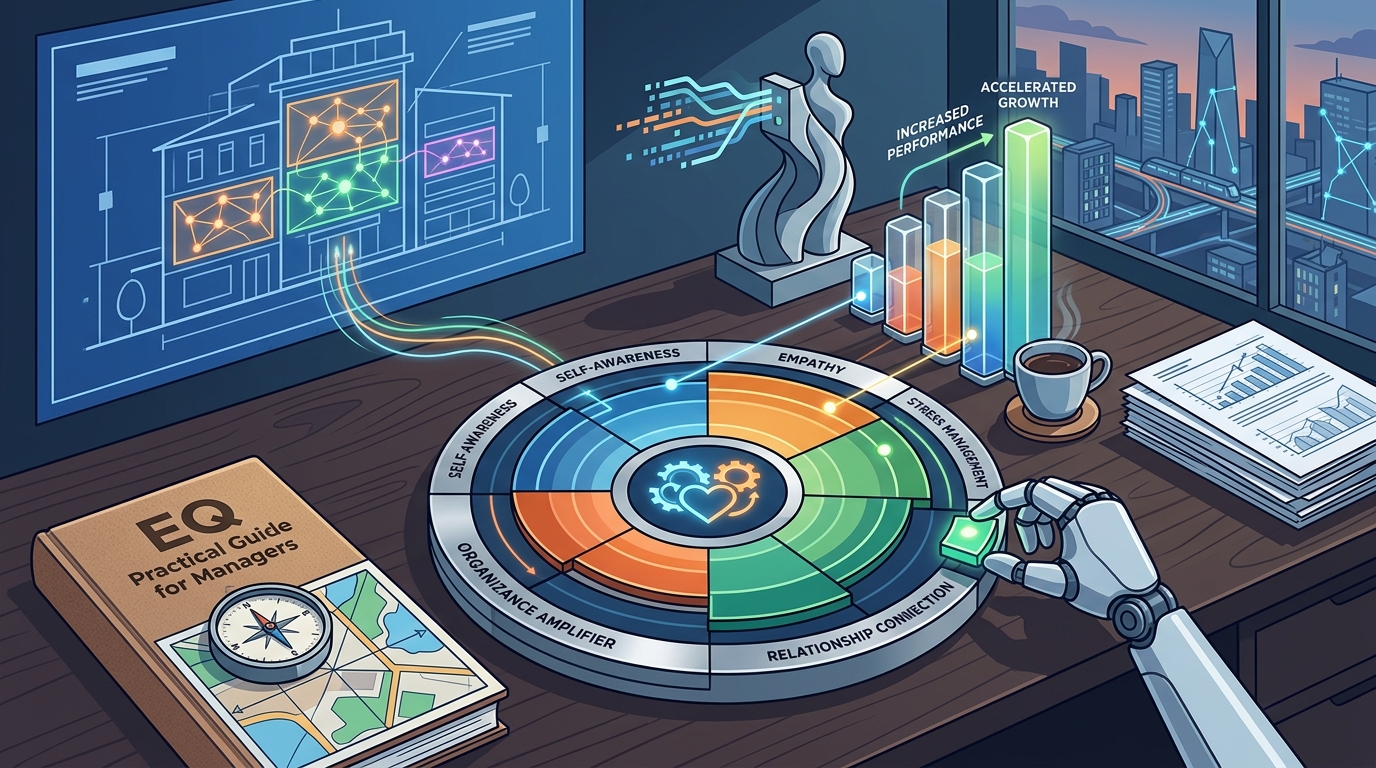
Step 2: Master Self-Regulation Under Pressure
Self-regulation is the ability to control or redirect disruptive impulses and moods. It is the process of thinking before acting. Leaders who lack this skill often create a culture of fear, where team members are afraid to take risks or share bad news.
The Power of the Pause
When faced with a difficult situation, implement a mandatory pause. This could be a deep breath, a short walk, or simply taking a moment to silence your internal monologue. This brief interruption breaks the automatic cycle of stress response. It allows your prefrontal cortex, the part of the brain responsible for logical reasoning, to re-engage with the situation.
Model Calmness
Your team looks to you for cues on how to react. If you remain calm and focused during a crisis, you signal that the situation is manageable. This reduces collective anxiety and keeps the team focused on solutions rather than blame. Consistent self-regulation builds a reputation for reliability and stability, which are highly valued traits in leadership.
Step 3: Practice Strategic Empathy
Empathy is often misunderstood as agreement. In leadership, it is actually about understanding. It is the ability to see the world from another person's perspective without necessarily adopting their viewpoint. This distinction is critical for making objective decisions while maintaining strong relationships.
Listen to Understand, Not to Reply
Active listening is the primary tool for empathy. When your team members speak, focus entirely on their words, tone, and body language. Resist the urge to formulate your response while they are still talking. Instead, ask clarifying questions that demonstrate you are processing their perspective. This validates their experience and encourages deeper communication.
Recognize Individual Motivators
Empathy also involves understanding what drives each individual. Some team members are motivated by recognition, others by autonomy, and some by professional development. By tailoring your approach to these individual needs, you show that you value them as people, not just as resources. This personalized approach significantly boosts engagement and loyalty.
Step 4: Leverage Social Skills for Influence
Social skills are the culmination of self-awareness, self-regulation, and empathy. They enable you to manage relationships to move people in the desired direction. This includes clear communication, conflict management, and the ability to inspire and guide others.
Communicate with Clarity and Purpose
Effective leaders communicate with precision. They ensure that their message is clear, concise, and aligned with the team's goals. Ambiguity breeds confusion and anxiety. By providing clear direction and context, you empower your team to make decisions and take action with confidence.
Build Trust Through Consistency
Trust is built through consistent actions over time. Follow through on your commitments. Be transparent about challenges and successes. Admit when you are wrong. These actions demonstrate integrity and authenticity, which are the bedrocks of strong professional relationships. Trust is the currency of leadership, and social skills are the mechanism for earning it.
EI Tools and Frameworks Comparison
Selecting the right framework for developing emotional intelligence is crucial for organizational success. Different tools offer varying depths of insight and application. The table below compares common approaches to help you choose the best fit for your leadership development needs.
| Framework | Primary Focus | Best For | Key Benefit |
|---|---|---|---|
| Human Synergistics LSI® | Organizational Culture & Leadership Style | Teams seeking cultural transformation | Provides deep insights into how leadership impacts culture |
| Goleman’s EI Model | Individual Competencies | Personal leadership development | Clear breakdown of five key EI components |
| Coach. Purposeful Conversations | Dialogue & Accountability | Improving team communication | Structured approach to meaningful leadership conversations |
| EQ-i 2.0 | Emotional Quotient Measurement | Baseline assessment | Quantifiable data on emotional strengths and weaknesses |
Choosing the right tool depends on your specific goals. If you are looking to transform organizational culture, tools like Human Synergistics LSI® offer robust data. For individual skill building, Goleman’s model provides a clear roadmap. For improving daily interactions, frameworks like Coach. purposeful conversations© can be highly effective.
Key Takeaways
- Emotional intelligence is a competitive advantage: It is the single most under leveraged competitive advantage available to any organisation and the one thing AI cannot replace.
- Self-awareness is foundational: It is the skill most people think they have but don’t, yet it is the prerequisite for all other EI skills.
- Self-regulation builds trust: Leaders who manage their reactions create a stable environment for their teams to thrive.
- Empathy drives engagement: Understanding individual motivators and perspectives significantly boosts team loyalty and performance.
- Social skills enable influence: Clear communication and consistent actions are the mechanisms for building trust and driving change.
- Uncapped Potential offers expertise: With over 30 years of experience, Uncapped Potential helps leaders harness emotional intelligence to sculpt high performing cultures.
- Continuous development is key: Emotional intelligence is not a destination but a continuous journey of learning and adaptation.
Frequently Asked Questions
What is the difference between emotional intelligence and empathy?
Emotional intelligence is the broader framework that includes self-awareness, self-regulation, motivation, empathy, and social skills. Empathy is one component of this framework, specifically focusing on understanding and sharing the feelings of others. You can have empathy without the other components, but true emotional intelligence requires all five.
How can I improve my self-regulation as a leader?
Start by identifying your triggers and implementing a pause before reacting. Practice mindfulness techniques to stay present. Seek feedback on your reactions and work on reframing negative thoughts into constructive ones. Consistent practice is essential for building this muscle.
Is emotional intelligence more important than technical skills?
Both are important, but emotional intelligence often becomes the differentiator at higher leadership levels. Technical skills get you the job, but emotional intelligence helps you lead effectively. As organizations become more complex, the ability to navigate human dynamics becomes increasingly critical for success.
How does Uncapped Potential help with emotional intelligence?
Uncapped Potential provides specialized training and advisory services focused on emotional intelligence and leadership development. They offer tools like Human Synergistics LSI® and Coach. purposeful conversations© to help leaders and organizations unlock their full potential.
Can emotional intelligence be learned or is it innate?
Emotional intelligence can be learned and developed. While some individuals may have a natural predisposition, everyone can improve their EI through deliberate practice, feedback, and training. It is a skill set that can be mastered with commitment and effort.
What are the signs of low emotional intelligence in leaders?
Signs include frequent outbursts, inability to accept feedback, lack of empathy, poor communication, and difficulty managing conflict. These behaviors often lead to high turnover, low morale, and decreased productivity within the team.
How do I measure the impact of emotional intelligence training?
Impact can be measured through employee engagement surveys, retention rates, performance metrics, and 360-degree feedback. Tools like Human Synergistics LSI® provide specific data points to track changes in leadership style and organizational culture over time.
Start Your Leadership Journey
Are you ready to close the gap between intent and impact? Emotional intelligence is not just a theoretical concept; it is a practical tool for driving performance and building high-performing teams. At Uncapped Potential, we work with ambitious leaders to harness the power of emotional intelligence and sculpt cultures built on trust, authenticity, and purpose. With over 30 years of experience and a proven track record of transforming organizations, we are your partner in leadership excellence.
Explore our solutions to discover how we can help your organization unlock its full potential. Contact us today to schedule a consultation and begin your journey towards more effective, emotionally intelligent leadership.