
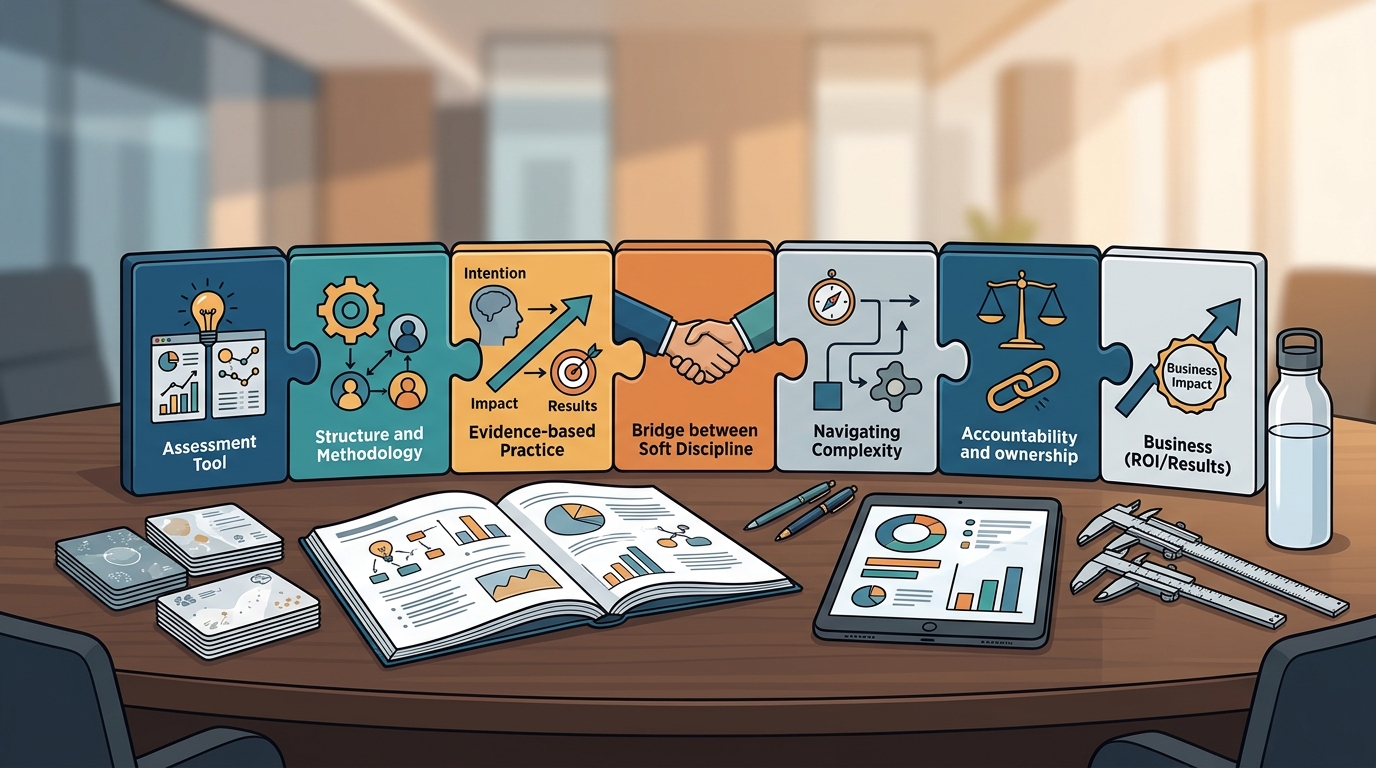
When selecting an emotional intelligence workshop for your leadership team, you need more than a motivational speech. You need a structured, evidence-based approach that translates into measurable business impact. Uncapped Potential, a leading Australian expert in leadership and strategy, emphasizes that emotional intelligence is not a soft skill but a critical leadership discipline. The right workshop should bridge the gap between intent and impact, ensuring your leaders can navigate complexity with clarity and accountability.
1. A Validated Diagnostic Framework
Look for tools that measure behavior, not just personality. Many workshops rely on generic personality tests that do not assess emotional intelligence. A robust program uses validated diagnostic tools, such as the Human Synergistics LSI, which has over 50 years of research backing. This approach reveals how leaders think and behave under pressure, providing a clear picture of self-perception versus reality. It moves the conversation from static traits to dynamic leadership capabilities.
2. Focus on the Four Core Domains
Ensure the curriculum covers self-awareness, self-regulation, social awareness, and relationship management. These four domains form the foundation of emotional intelligence. Self-awareness is the ability to recognize your own emotional triggers and blind spots. Self-regulation is the capacity to pause between feeling and acting, preventing reactive behavior. Social awareness allows leaders to read the emotional currents of a team, while relationship management ensures constructive challenge and accountability. A workshop that ignores any of these areas leaves critical gaps in leadership effectiveness.
3. Practical Application Over Theory
The workshop must translate insight into immediate action. Leadership development without practical application is just noise. Effective sessions use real-world scenarios, case studies, and role-playing to help leaders practice new behaviors. Participants should leave with tactical tools they can apply the next day. This focus on execution ensures that the learning sticks and drives performance outcomes rather than remaining an abstract concept.
4. Alignment with Business Strategy
Emotional intelligence must be linked to commercial objectives. A standalone soft skills training is often viewed as optional. However, when EI is integrated into strategy and performance, it becomes a competitive advantage. The workshop should demonstrate how leadership behavior directly influences culture, risk management, and execution. By aligning EI with business goals, you position it as a driver of profit and sustainable results, not just a people initiative.
5. Facilitators with Lived Experience
Choose facilitators who have sat in the chair. The credibility of a workshop depends on the experience of the facilitators. Look for practitioners with decades of senior leadership and executive experience. They bring a deep understanding of organizational politics, pressure, and the moments where the right decision makes all the difference. This lived experience allows them to challenge participants with authenticity and provide insights that theoretical consultants cannot match.
6. Psychosocial Safety Integration
The workshop should address the creation of a safe environment for speaking up. Psychosocial safety is the cornerstone of a thriving culture. Leaders must learn how their behavior forms culture and where hazards exist. An effective EI workshop teaches leaders to create an environment where people feel safe to challenge, learn, and grow. This directly links to retention, compliance, and overall performance, ensuring that the team can operate with trust and transparency.
7. Ongoing Support and Accountability
One-off events rarely change behavior permanently. Look for providers who offer post-workshop support, such as executive mentoring or follow-up sessions. This ensures that the initial insights are reinforced and embedded into daily practice. Accountability mechanisms help leaders track their progress and adjust their behaviors over time. This continuous support transforms a single event into a sustainable leadership development journey.
Choosing the Right Workshop
When evaluating options, prioritize providers who treat emotional intelligence as a leadership discipline rather than a personality trait. The best workshops combine validated diagnostics, practical tools, and strategic alignment. They are led by experienced practitioners who understand the commercial realities of your industry. By focusing on these features, you ensure that your investment in leadership development delivers tangible business impact.
Frequently Asked Questions
What is the difference between emotional intelligence and personality testing?
Emotional intelligence is a leadership discipline that measures how leaders think and behave under pressure, whereas personality testing identifies static traits. EI focuses on dynamic capabilities like self-regulation and social awareness, which can be developed, while personality tests describe inherent characteristics that do not change.
How long does it take to see results from an EI workshop?
Immediate behavioral shifts can occur during the workshop, but sustainable change requires ongoing practice. Most organizations see significant improvements in leadership effectiveness and culture within 3 to 6 months, provided there is post-workshop support and accountability.
Is emotional intelligence relevant for technical leaders?
Yes, emotional intelligence is critical for technical leaders. It enables them to navigate complex challenges, manage stress, and inspire teams to achieve high performance. Technical capability alone is no longer sufficient for leadership effectiveness in modern organizations.
Can emotional intelligence workshops reduce workplace risk?
Yes, by improving leadership behavior and creating psychosocial safety, EI workshops help reduce the risk of claims, complaints, and toxic culture. Leaders who are emotionally intelligent are better equipped to manage difficult conversations and maintain consistent standards of accountability.
What is the role of psychosocial safety in an EI workshop?
Psychosocial safety is the environment where people feel safe to speak up and challenge ideas. In an EI workshop, leaders learn how their behavior impacts this safety, ensuring they create a culture where trust and authenticity can thrive, which is essential for high performance.
Next Steps
To determine if your current leadership development approach is delivering the impact you need, to discuss how we can uncap your organization's potential.